






Embrace the Power of Silica Gel
You know those little white packets you find in new shoe boxes or medicine bottles? Don't throw them away. Silica gel packets are desiccants, meaning they are masters at absorbing moisture. Before your trip, collect a handful of them and toss them into
the pouches or bag compartments where you store your electronics. They work silently to absorb the ambient humidity that is common during the monsoon, reducing the risk of internal condensation, corrosion, and other moisture-related damage to your phone, camera, and power bank. This simple, zero-cost trick provides an excellent first line of defence against the damp air that can be just as damaging as direct rainfall.
The Double-Bagging Strategy
When it comes to keeping things dry, redundancy is your best friend. Instead of relying on a single waterproof layer, adopt a double-bagging method. Start by placing your electronics—phone, chargers, cables—inside individual zip-lock pouches. Squeeze the air out before sealing to make them compact. Then, place these sealed pouches inside a larger, more durable dry bag or another heavy-duty waterproof pouch within your main backpack. This creates two barriers against water. Even if your main bag gets damp or a bit of water seeps in, your crucial gadgets remain protected in their secondary sealed containers. This compartmentalisation also keeps your cables and accessories neatly organised.
Choose Your Footwear Wisely
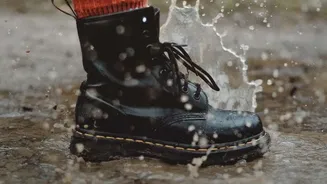
The battle against monsoon mud and dampness begins with your choice of shoes. While it might be tempting to wear your favourite sneakers, materials like canvas or suede are highly absorbent and can take ages to dry, leading to discomfort and odour. Instead, opt for footwear made from rubber or other water-resistant synthetic materials. Floaters, rubber sandals with backstraps, and Crocs-style slip-ons are excellent choices. They don’t absorb water, can be cleaned easily by just rinsing them, and dry very quickly. If you must wear shoes, consider treating them with a water-repellent spray before you travel to create a protective barrier.
The Newspaper and Talcum Powder Trick
Even with the best precautions, your shoes might still get wet and muddy. The key is to act fast once you are back indoors. First, wipe off any excess mud immediately. Then, to dry your shoes effectively without damaging them, stuff them tightly with crumpled newspaper. The paper is highly absorbent and will draw out the moisture from the inside. Replace the damp newspaper every few hours until the shoes are completely dry. For a final touch, sprinkle a bit of talcum powder inside. This will absorb any lingering moisture, prevent bad odours from developing, and leave them feeling fresh for your next outing.
Create a DIY Mud-Guard with Petroleum Jelly
For leather or synthetic shoes that you want to protect from light rain and mud stains, a simple household item can work wonders: petroleum jelly. Before you step out, ensure your shoes are clean and dry. Then, apply a thin, even layer of petroleum jelly over the entire outer surface of the shoe. This creates a temporary water-resistant coating that helps rainwater and mud slide off rather than soaking into the material. It’s an affordable and easy shortcut to give your footwear an extra layer of defence against the elements, especially if you get caught in an unexpected drizzle.
Isolate Wet and Dirty Items
One of the biggest packing mistakes during the monsoon is allowing wet or muddy items to mix with your clean, dry clothes. Designate a specific section or bag in your luggage as an 'isolation zone'. Pack a few extra plastic bags or a reusable laundry bag specifically for this purpose. As soon as you have a wet umbrella, a muddy pair of shoes, or soaked clothes, place them directly into this bag. This prevents moisture and dirt from spreading to the rest of your belongings, keeping the contents of your main luggage clean, dry, and smelling fresh throughout your trip.