
Embracing the Green Season
A significant shift is underway in how visitors perceive Assam. The traditional tourist window runs from October to April, prized for its dry weather and ideal conditions for wildlife safaris. However, a growing number of travellers are now deliberately
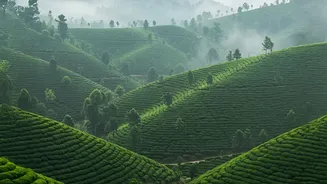
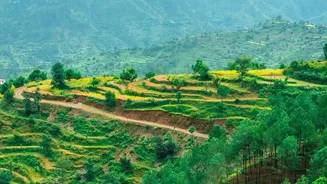
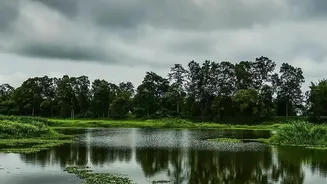
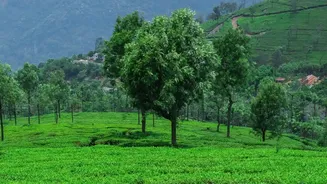
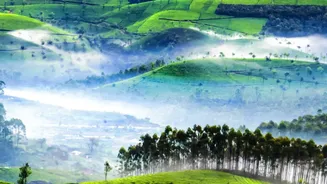
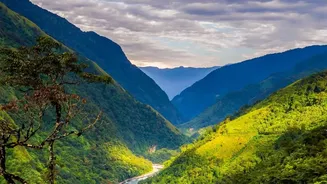
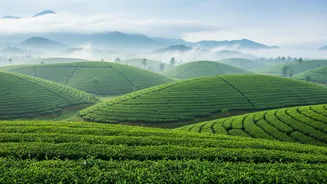
choosing the monsoon months, from June to September. They are drawn by the promise of fewer crowds, lower accommodation prices, and the chance to see the state in its most vibrant form. The appeal lies in a more serene, authentic experience, away from the bustling peak season. The landscape transforms into a watercolour painting of a thousand shades of green, from the glistening tea gardens to the mist-shrouded hills, offering a sense of peace and solitude.
A Landscape Reborn
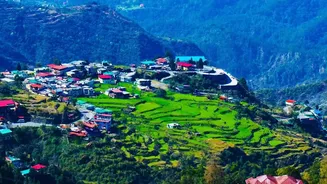
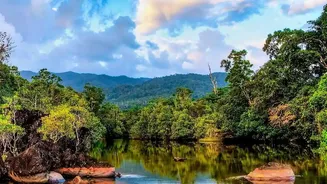
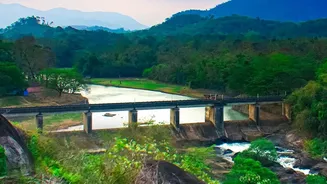
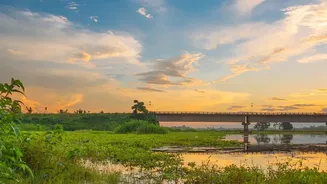
The monsoon breathes new life into Assam's scenery. The tea gardens, the state's signature feature, are at their most lush and beautiful. Waterfalls like Kakochang, quiet in other seasons, become thunderous spectacles. Haflong, Assam's only hill station, becomes a misty wonderland perfect for those seeking cool, refreshing climes. Even the mighty Brahmaputra River takes on a majestic, swollen character. This season is a photographer's dream, with dramatic skies, vibrant foliage, and water bodies teeming with life. Places like Majuli, the world's largest river island, become even more mystical, offering a tranquil cultural escape amidst the rain-washed landscapes.
The Kaziranga Monsoon Experience
A common question for monsoon travellers is about Kaziranga National Park, a UNESCO World Heritage site famous for its one-horned rhinoceroses. While it is true that large parts of the park close due to seasonal flooding from June to September, the monsoon experience here is not entirely off-limits. Some elevated sections in the Central and Western ranges may remain partially accessible for jeep safaris, offering a unique perspective of wildlife adapting to the wet conditions. These tours often provide a more intimate and less crowded wildlife-spotting opportunity. Furthermore, the fringe areas and nearby attractions like tea estates and waterfalls remain open, providing plenty to explore.
Culture and Festivity in the Rain
The monsoon period is also culturally significant. The Ambubachi Mela at Guwahati's Kamakhya Temple, one of India's most important spiritual gatherings, takes place in June, right at the onset of the rains. The festival, celebrating fertility, draws devotees who brave the weather, adding a powerful spiritual dimension to a monsoon visit. Beyond festivals, it's a time to experience everyday Assamese life at a slower pace. You can enjoy a hot cup of local tea in a cozy cafe, explore the Assam State Museum on a rainy afternoon, or take a serene river cruise on the Brahmaputra when conditions permit.
Planning Your Monsoon Trip
Travelling to Assam during the monsoon requires some planning. While the allure is strong, roads can be challenging and landslides are a possibility, so it's wise to stay informed about local conditions. Pack waterproof clothing, sturdy footwear, and insect repellent. The rewards, however, are plentiful. Besides the stunning scenery, you will benefit from significant discounts on flights and hotels. For those seeking to connect with nature on a deeper level and witness a place in its most elemental and beautiful state, the monsoon in Assam offers an unforgettable journey.