





Why the Sudden Shift to the Scalp?
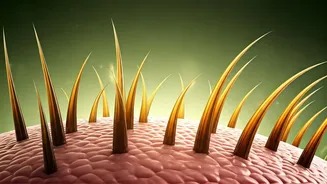
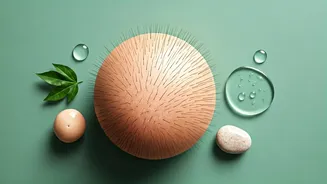
Think of your scalp as the soil in a garden; you can't grow vibrant flowers in depleted soil. [15] For decades, hair care was mostly cosmetic, focusing on the visible hair fibre. [17] However, there is a growing understanding among both consumers and experts
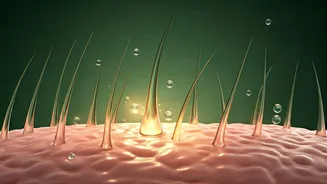
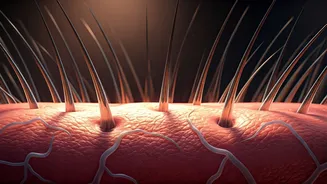
that many common hair issues—like slow growth, thinning, dullness, and breakage—often trace back to an imbalanced scalp. [1, 22] An unhealthy scalp environment, whether it's too oily, too dry, inflamed, or clogged with product buildup, can impede hair follicles from producing strong, healthy hair. [3, 21] This realisation is repositioning scalp care from a niche concern to a fundamental pillar of any effective hair routine. [23]
The ‘Skinification’ of Hair Care
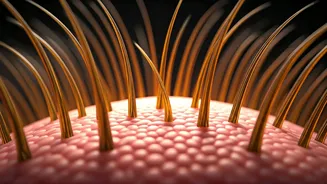
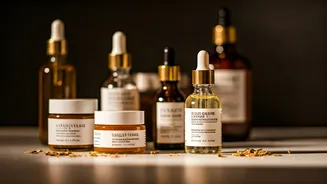
This new focus has a name: the "skinification" of hair. The term refers to the trend of treating the skin on your scalp with the same care and attention you give your face. [6, 11] Your scalp, after all, is skin. It has pores, produces oil, and has its own microbiome that needs to be balanced. [2, 6, 9] As a result, ingredients traditionally found in high-end skincare are now becoming heroes in hair care. [12] Products like scalp serums, exfoliants, and masks are formulated with actives like hyaluronic acid for hydration, salicylic acid for exfoliation, and niacinamide to regulate oil and soothe irritation. [2, 6, 8] This approach moves beyond basic cleansing to offer targeted treatments that address the root causes of hair problems. [17]
Meet the Hero Ingredients
As scalp care becomes more sophisticated, a new class of ingredients is taking centre stage. Salicylic Acid, a beta-hydroxy acid (BHA), is excellent for oily or flaky scalps as it dissolves dead skin cells and clears buildup from follicles. [5] Niacinamide, a form of Vitamin B3, is a multi-tasking wonder that helps strengthen the scalp's barrier, regulate oil production, and reduce inflammation. [8, 19] Peptides, which are small proteins, act as messengers that can help support collagen production and fortify roots for the appearance of thicker hair. [5, 19] For hydration, look for humectants like Glycerin and Hyaluronic Acid, which draw moisture into the scalp to combat dryness. [19, 29] Finally, natural ingredients like Tea Tree Oil for its antibacterial properties and Aloe Vera for soothing are also popular choices. [10]
How to Build a Scalp-First Routine
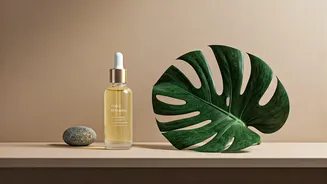
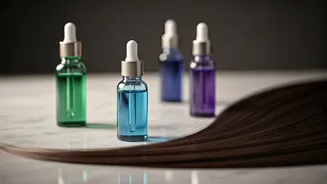
Adopting a scalp-first approach doesn't require a complete overhaul of your routine. Start by focusing your shampooing efforts on the scalp, using your fingertips to gently massage and cleanse away oil and debris. [22] Once or twice a week, introduce a scalp exfoliant or scrub to remove stubborn buildup. [6] Follow this with a targeted scalp serum applied directly to the skin to address your specific concerns, whether it's dryness, oiliness, or thinning. [17] A daily scalp massage for a few minutes can also boost circulation, delivering more oxygen and nutrients to the follicles, which has been shown to improve hair thickness over time. [24] Remember, consistency is more important than intensity; gentle, regular care is what yields the best results. [22]