




Beyond a One-Size-Fits-All Approach
For decades, the beauty industry operated on a simple premise: create a product for a broad category like 'oily skin' or 'dry hair' and market it to millions. But today’s consumers are ditching the one-size-fits-all approach. They are tired of settling
for “average results” and are seeking solutions that acknowledge their unique needs. Hyper-personalisation is the answer, moving beyond basic choices to offer products and routines created for an audience of one. This shift is driven by discerning consumers who want to invest in products that truly work for them, not just products that look good on a shelf. In India, a new wave of brands is rising to meet this demand, understanding that for something as intimate as personal care, customisation is key.
The Tech Behind the Treatment
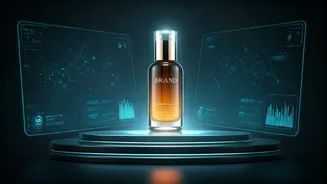
So, how does a brand create a moisturiser just for you? The answer lies in technology. Advanced Artificial Intelligence (AI), machine learning, and real-time data analytics are at the heart of this revolution. Companies like L'Oréal and Cetaphil now offer AI-powered skin analysis tools. You simply take a selfie, and an algorithm assesses everything from fine lines and pigmentation to hydration levels. Based on this data, it provides a tailored skincare recommendation. Some Indian brands like SkinKraft use detailed online questionnaires to perform a holistic assessment of a customer's skin and lifestyle, similar to a dermatologist's consultation, before creating a formulation. This use of AI and data allows brands to move beyond guesswork and deliver precisely what a consumer's skin or hair needs.
Indian Brands Leading the Charge
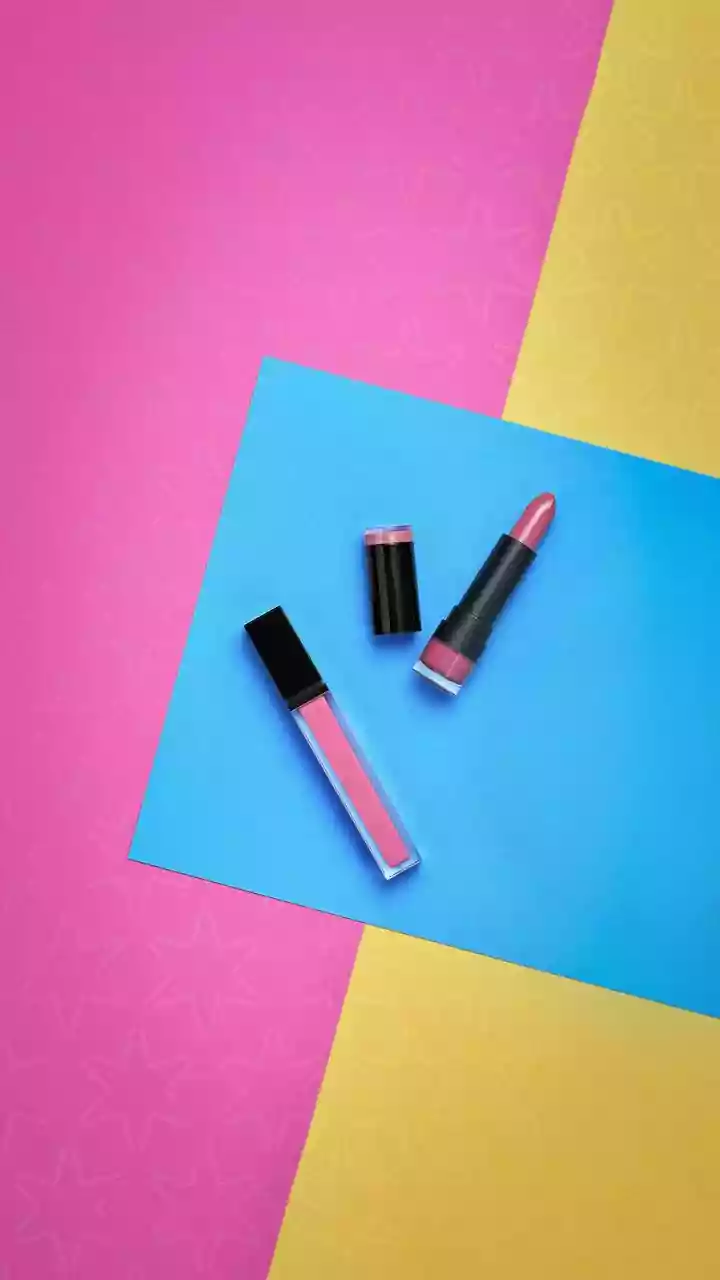
While global giants are investing heavily, India's own beauty market is experiencing a personalisation boom. Homegrown brands like SkinKraft, Bare Anatomy, and Vedix are making customised beauty more accessible. SkinKraft offers regimens based on a 'SkinID' quiz, Bare Anatomy specialises in customised hair care, and even makeup is getting personal, with brands allowing you to create your own lipstick shades. These companies are tapping into a growing desire among Indian consumers for products that are not only effective but also aligned with their values, often using naturally sourced and chemical-free ingredients. The market is ripe for disruption, and these brands are empowering customers with choices that feel both scientific and deeply personal.
Why It's a 'Flex'
Personalised beauty is more than just better products; it's an experience and a statement. In a world of mass production, a customised product feels exclusive and luxurious. It signals that you are discerning, informed, and willing to invest in high-quality, targeted self-care. The 'flex' isn't about the price tag; it's about the emotional value of being seen and understood by a brand. It’s the confidence that comes from using a product made with your specific biology and lifestyle in mind. While mass beauty sells aspiration, personalised beauty sells identity. This shift redefines luxury, moving it away from recognisable logos and toward results and personal fit.
The Future of Your Beauty Cabinet
The personalised beauty market is projected to grow significantly, reaching an estimated $97.1 billion globally by 2030. In India, the trend is being driven by empowered consumers who demand personalisation and self-expression. We can expect to see even more integration of technology, with wearable devices monitoring skin health and feeding data to brands for even more precise formulations. While challenges like higher production costs exist, the demand is undeniable. Studies show that a majority of consumers are willing to pay more for a customised product. This isn't a fleeting trend; it's the new standard. Personalisation reflects a broader cultural shift towards intentionality—buying less, but choosing better.