



A New Generation Takes the Train
The monsoon has long been considered a travel off-season in India, a time to stay indoors and wait for clearer skies. But that perception is rapidly changing, and it’s the country's youngest adult generation leading the charge. Recent data from travel platform
Cleartrip's 'PeekABoo Trends Tracker' reveals a significant shift in travel habits. Gen Z now makes up 45% of all train bookings, officially surpassing millennials (who account for 28%) as the dominant demographic choosing rail travel. This isn't just a minor statistical bump; it signals a fundamental change in how young Indians approach leisure and exploration. The so-called 'off-season' is now a travel season in its own right, with overall hotel bookings surging by nearly 54% year-on-year, proving that the lure of a rain-soaked adventure is stronger than ever.
The Journey Is the Destination
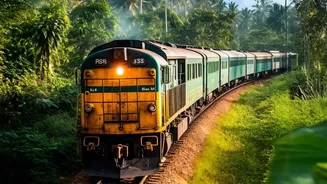
So, what's behind this railway renaissance? A huge part of the answer lies in the growing 'slow travel' movement. For a generation reporting high levels of burnout and digital fatigue, the appeal of a journey that encourages them to disconnect and unwind is powerful. Unlike a rushed flight, a train journey offers a forced pause, a space for reflection, and a chance to genuinely relax. The hours spent on a train are no longer seen as a delay but as an integral, enjoyable part of the holiday. The appeal is psychological; travelers have the freedom to walk around, enjoy uninterrupted views of the passing landscape, and feel more connected to the world outside their window. The rhythmic motion of the train and the ever-changing scenery become a form of therapy, a stark contrast to the structured, often stressful, environment of air travel.
Practicality Laced with Romance
The decision to choose a train during the monsoon is as practical as it is romantic. While the image of watching waterfalls cascade down misty cliffs from a train window is a powerful draw, there are pragmatic reasons reinforcing the choice. Air travel is frequently disrupted by the monsoon, with heavy rain and poor visibility leading to frustrating delays and cancellations. Trains, while also subject to safety-related speed restrictions, are widely considered a more reliable option during this season. Furthermore, train travel is significantly more budget-friendly. With different classes to suit various price points and much more generous luggage allowances, it offers better value for money—a key consideration for cost-conscious young travelers. This blend of dependability and affordability makes the train the smart, as well as the scenic, choice.
An Instagrammable Adventure
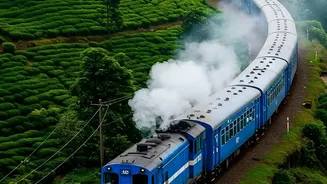
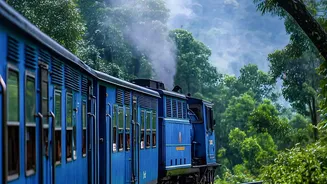
In 2026, visual storytelling is central to how young people experience and share their lives, and monsoon train journeys are tailor-made for social media. Scenic routes offer a continuous stream of 'Instagrammable' moments that a flight cannot replicate. The introduction of Vistadome coaches, with their panoramic glass roofs and wide windows, has been a game-changer, turning the journey into a visual spectacle. Routes like the Konkan Railway from Mumbai to Goa, the UNESCO World Heritage Kalka-Shimla line, and the ride through the Western Ghats become moving content studios. Passengers capture and share stunning videos of mist-covered forests, swollen rivers, and dramatic waterfalls, inspiring their peers. With a majority of travelers now using platforms like Instagram for travel inspiration, the unique, shareable content from a train journey makes it an irresistible option.
Exploring Beyond the Obvious
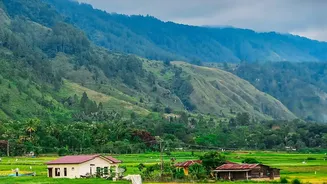
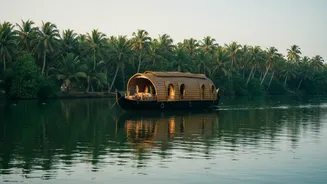
This trend isn't just about how Gen Z is traveling, but also where they're going. The data shows a clear preference for offbeat destinations and shorter, more frequent breaks, often called 'mini-cations'. Instead of waiting for one long annual holiday, this generation is escaping the city grind with quick three or four-day getaways. And they aren't just sticking to the usual tourist circuits. The Northeast has emerged as a surprisingly popular region this monsoon, with states like Nagaland and Arunachal Pradesh seeing a massive spike in bookings. Other destinations gaining traction include the lush hills of Wayanad and Alleppey in Kerala, and coastal spots like Pondicherry. This indicates a thirst for authentic, less crowded experiences, moving away from itineraries and towards more spontaneous, experience-driven travel.