

From Food Waste to Baking Gold
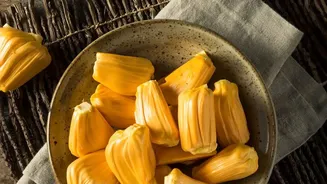
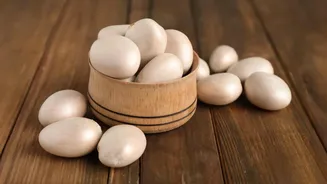
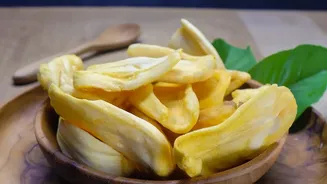
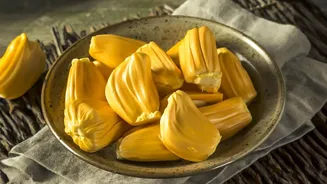
When you think of jackfruit, you probably picture the stringy, flavourful flesh that has become a popular meat substitute. But what about the seeds? Historically, these nutrient-packed kernels, which make up a significant portion of the fruit's weight,
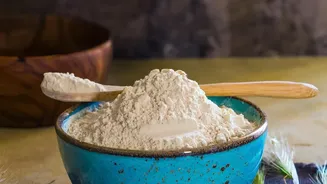
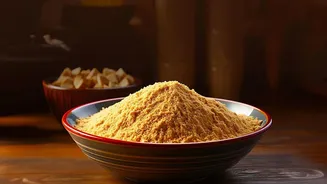
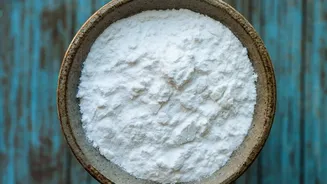
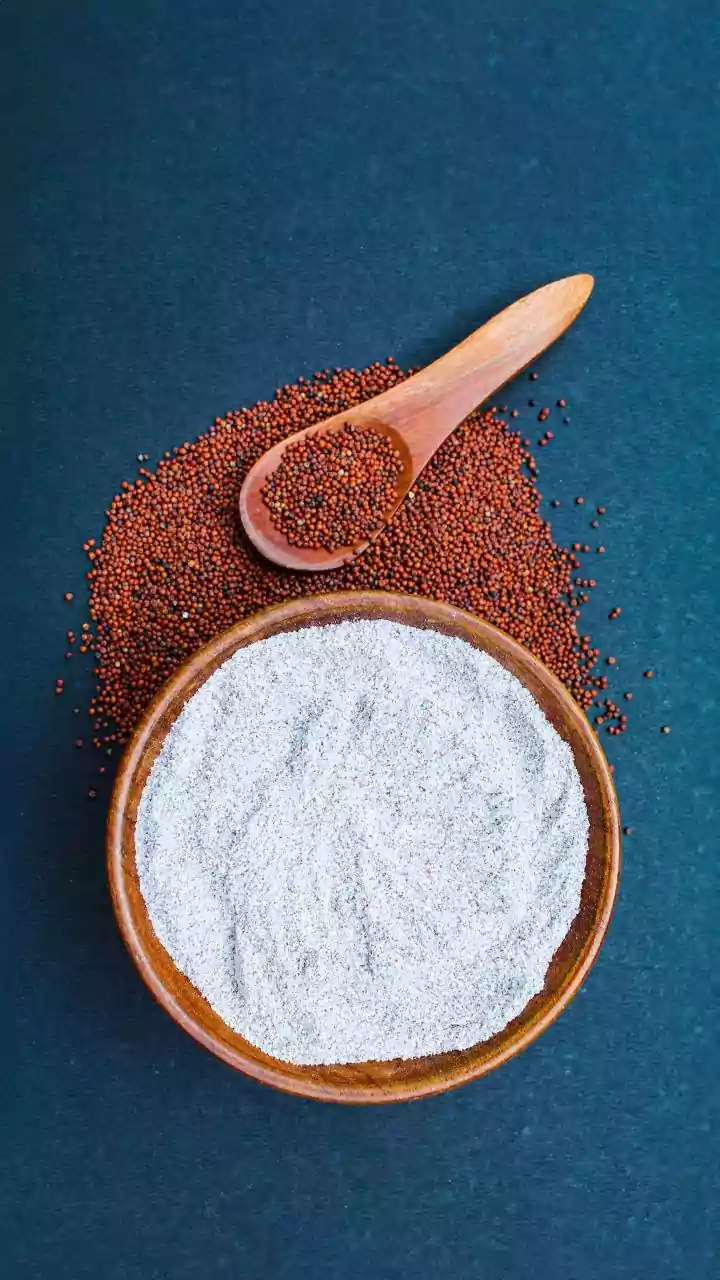
have been discarded as agricultural waste. This contributes to environmental challenges, as decomposing food waste generates greenhouse gases. The upcycling movement is changing that narrative. By cleaning, drying, and milling these forgotten seeds, producers are creating a fine, versatile flour that's not only good for the planet but also a game-changer for gluten-free cooking.
A Nutritional Powerhouse
Jackfruit seed flour isn't just a sustainable choice; it's a nutritional one. Compared to many common gluten-free flours like rice or tapioca, it boasts a significantly higher protein content. It is also rich in dietary fibre, complex carbohydrates, and essential minerals such as potassium, iron, and magnesium. This impressive profile makes it more than just a structural ingredient. The fibre and resistant starch in the flour can act as a prebiotic, feeding beneficial gut bacteria and promoting digestive health. This combination of protein and fibre helps create more satisfying baked goods that support stable energy levels.
Mastering the Gluten-Free Bake
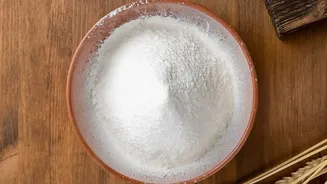
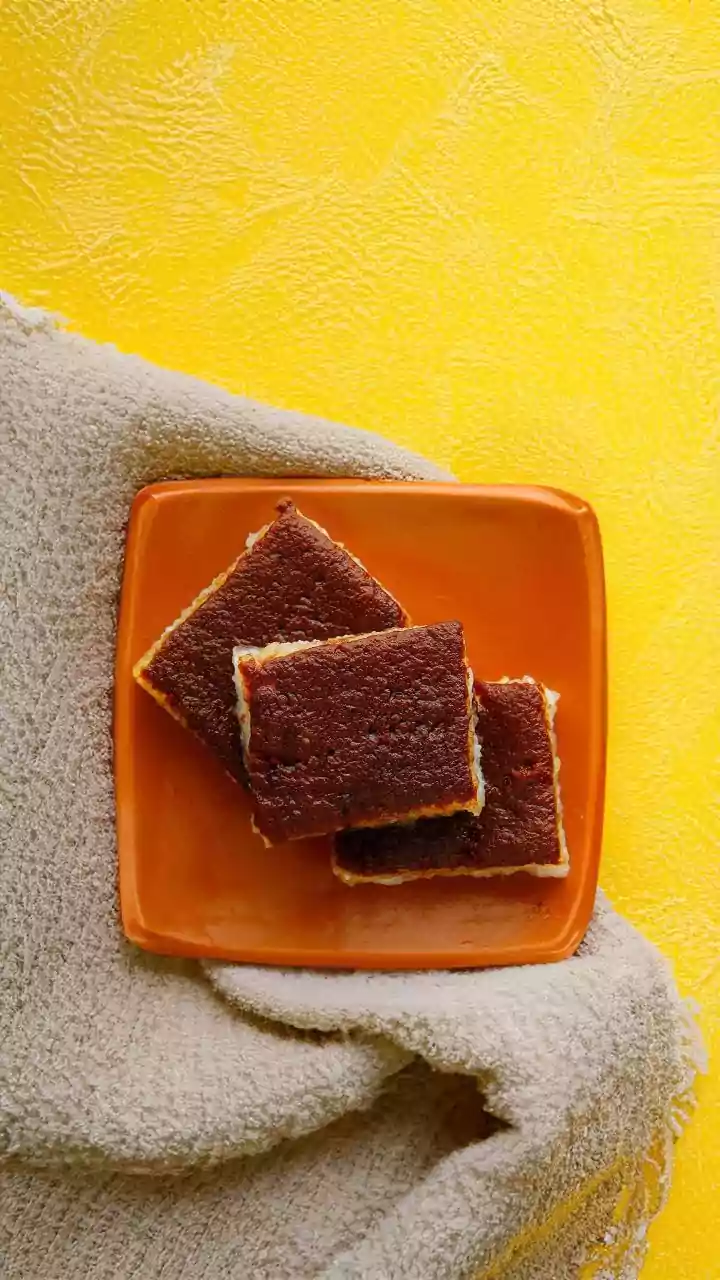
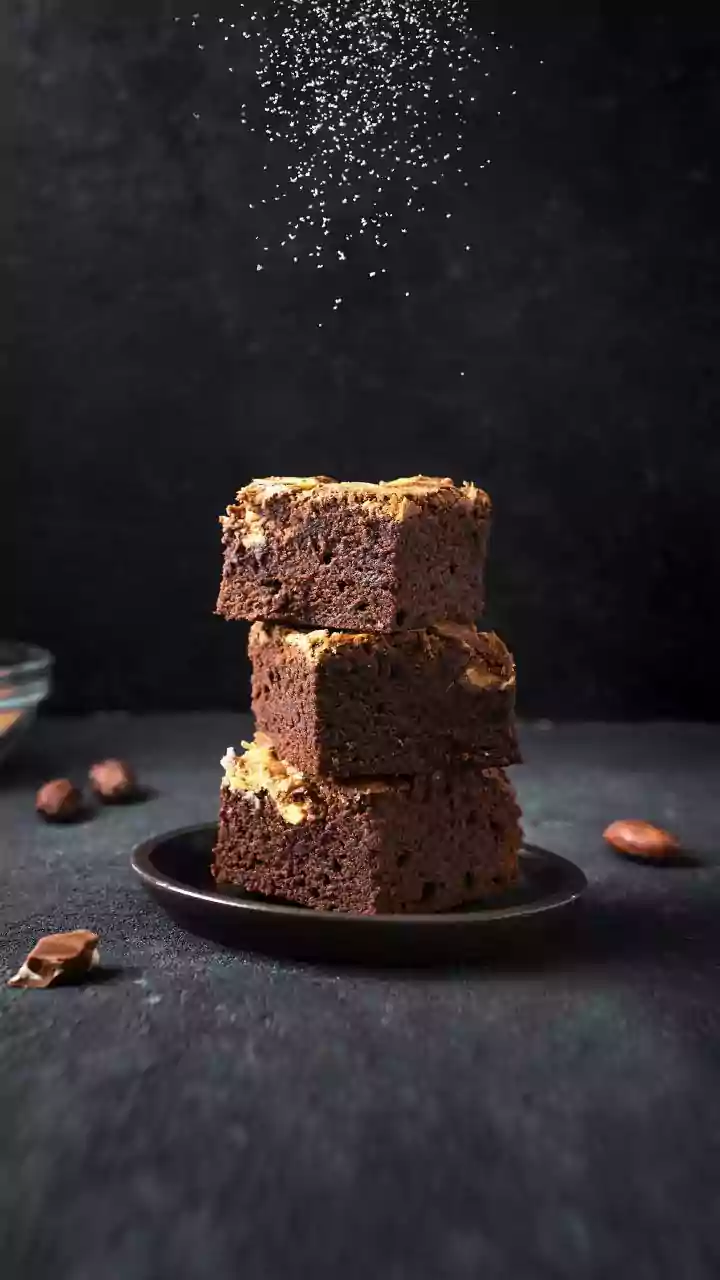
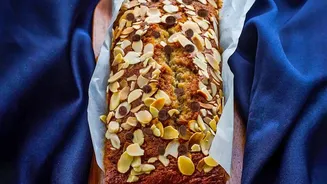
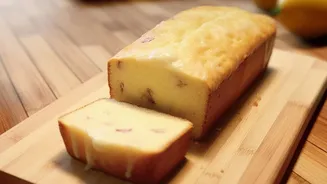
One of the biggest hurdles in gluten-free baking is achieving the right texture. Many gluten-free products can be dry or crumbly, but jackfruit seed flour offers a promising solution. Its high starch content and excellent water and oil absorption capabilities mean it acts as a great binding agent, improving moisture retention and texture. It has a mild, slightly nutty flavour that complements both sweet and savoury recipes without overpowering other ingredients. Bakers have successfully incorporated it into everything from pancakes and muffins to bread and flatbreads. While it can be used on its own, studies have shown that substituting it for up to 25% of the wheat flour in traditional recipes can significantly boost protein and fibre content with positive sensory results.
The Bigger Picture: Sustainability and Accessibility
The rise of jackfruit seed flour is part of a larger, more conscious approach to food production. By finding value in what was once considered waste, this innovative ingredient supports a more circular economy. This process of valorization turns an environmental burden into a valuable food source, aligning with global efforts to create more sustainable food systems. While still a niche product, its availability is growing, with more brands offering it online and in health food stores. As consumer demand for functional, eco-friendly foods continues to rise, expect to see jackfruit seed flour move from a novel ingredient to a pantry staple for health-conscious and environmentally aware bakers.