




The Rise of the Urban Jungle
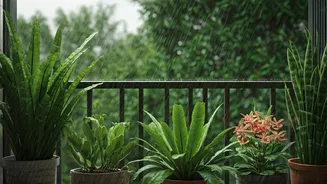
The trend of balcony gardening has surged in India, driven by a desire to reconnect with nature, improve mental well-being, and beautify personal spaces. For many city dwellers, a terrace or balcony is their only patch of the outdoors. Transforming it into
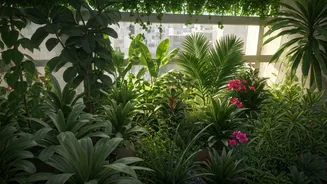
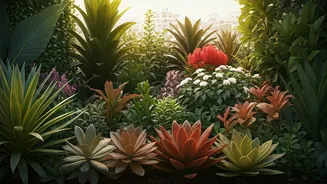
a green space offers a wealth of benefits, from reducing stress and improving local air quality to providing a supply of fresh herbs and vegetables. This movement isn’t just about a few potted plants; it’s about creating dense, layered, and diverse ecosystems in compact areas, mimicking the feel of a real forest. This approach brings not only aesthetic pleasure but also attracts biodiversity like bees and butterflies, turning a concrete slab into a living oasis.
Think Like a Forest: Go Vertical
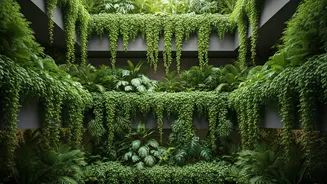
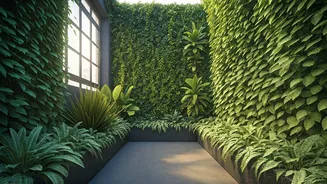
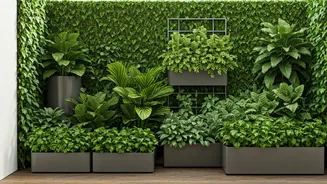
The secret to creating a “forest” in a small space is to think vertically. Limited floor space should not limit your ambition. Utilising vertical planes allows you to grow more without the clutter, creating layers of green that draw the eye upward. Simple techniques can dramatically increase your planting area. Consider installing wall-mounted planters, trellises for climbing plants like money plant or jasmine, or using tiered ladder shelves to display pots at different heights. Hanging baskets and railing planters are also excellent for adding dimension and freeing up the floor for larger pots or seating. This upward growth is key to achieving that dense, immersive feeling of a forest canopy.
Creating Your Canopy: Choosing the Right Plants
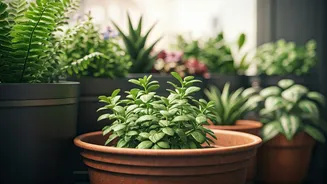
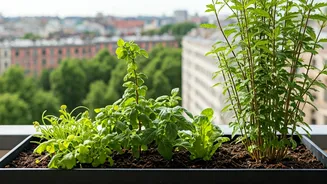
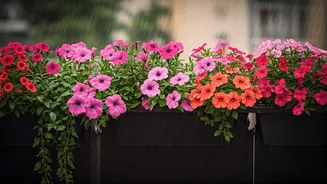
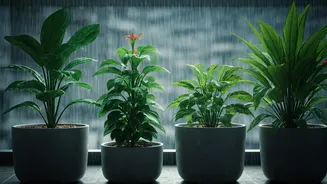
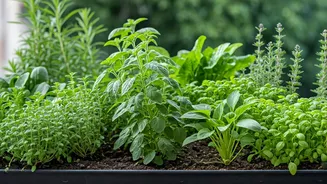
A convincing mini-forest relies on a thoughtful mix of plants that create different layers, much like a natural woodland. A good strategy is the 'Thriller, Filler, Spiller' method. * **Thriller (The Canopy):** These are your tall, focal-point plants. For an Indian terrace, consider a dwarf fruit tree like a lemon or guava in a large container, or tall foliage plants like the Areca Palm for a tropical feel. * **Filler (The Undergrowth):** These are mid-sized, bushy plants that fill out the space. Heat-tolerant flowering plants like Hibiscus, Ixora, and Marigolds add vibrant colour, while herbs like Tulsi (Holy Basil), Rosemary, and Lemongrass are both beautiful and useful. * **Spiller (The Ground Cover):** These are trailing plants that cascade over the edges of pots and planters, softening the lines. Sweet potato vine, various succulents, and flowering plants like Portulaca are excellent choices that thrive in Indian climates.
The Foundation: Soil and Containers
The right foundation is critical for a healthy container garden. Standard garden soil is often too heavy and can become compacted in pots, leading to poor drainage and root rot. Instead, opt for a high-quality, lightweight potting mix, which provides the right balance of moisture retention and aeration. You can amend this with organic matter like compost or vermicompost for added nutrients. When choosing containers, ensure every pot has drainage holes. While terracotta pots are classic, they can dry out quickly in the summer heat. Lightweight plastic or fibreglass pots are often a more practical choice for balconies, especially where weight limits are a concern. Elevating pots on stands or bricks improves drainage and air circulation.
Watering and Nurturing Your Oasis
Container gardens dry out much faster than in-ground gardens, especially on a windy or sun-drenched terrace. In hot Indian summers, you may need to water your plants daily, or even twice a day. Always check the soil moisture by inserting a finger about an inch deep; if it feels dry, it's time to water. To make this task easier, consider installing a drip irrigation system. Since plants in containers have limited access to nutrients, regular feeding is essential. A balanced, water-soluble fertiliser applied every few weeks during the growing season will keep your urban forest lush and productive. Regular pruning of flowering plants like rose and jasmine will also encourage new, healthy growth.