

That sharp, nasal-clearing heat of a Bengali mustard dish is unforgettable. It's a flavour that defines a cuisine, but it's not magic. It’s a fascinating story of chemistry, tradition, and the power of a tiny, potent seed.
The Soul of a Cuisine
In Bengali cuisine, 'shorshe'
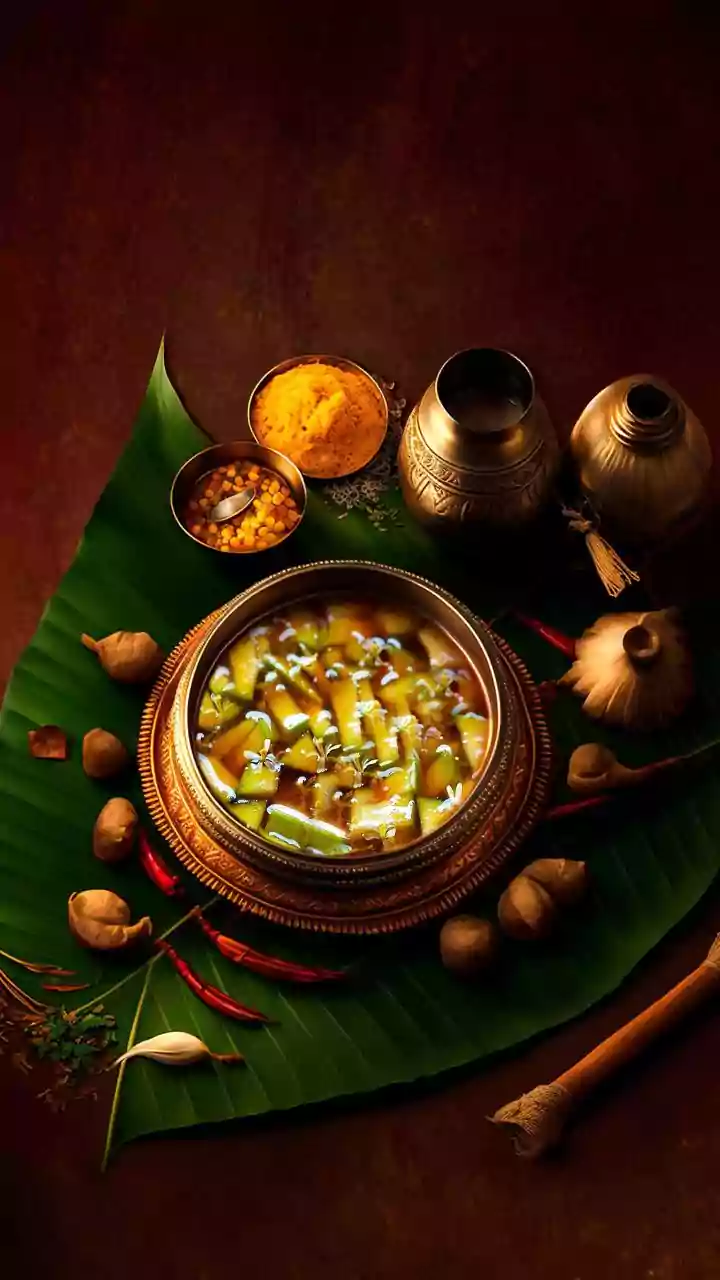
(mustard) is more than just a condiment; it's a pillar of flavour. The golden, pungent paste made from ground mustard seeds, known as 'shorshe bata', is the soul of countless iconic dishes. From the celebrated 'Shorshe Ilish' (hilsa fish in mustard gravy) to the humble 'aloo bhorta' (mashed potatoes), this sharp, assertive flavour is a signature of the region's culinary identity. It represents a taste profile that is bold and unapologetic, weaving its way through daily meals and festive feasts alike. Understanding this ingredient is key to understanding the heart of Bengali food.
The Science of the Pungency
The secret to mustard's fiery kick lies in a dramatic chemical reaction. Mustard seeds contain compounds called glucosinolates and an enzyme called myrosinase. In their dry, whole state, they are kept separate within the seed’s cells. The magic happens when the seeds are crushed or ground and mixed with a liquid, typically water. This act breaks down the cell walls, allowing the myrosinase enzyme to mix with the glucosinolates. This interaction produces a new, volatile compound called allyl isothiocyanate. This is the molecule responsible for the sharp, pungent sensation that tingles on the tongue and rushes up the nose. It's the very same compound that gives wasabi and horseradish their characteristic heat.
Taming the Fire
A skilled Bengali cook knows that the intensity of the mustard paste is not a fixed thing; it can be masterfully controlled. The temperature of the water used for grinding is crucial. Cold water triggers a more aggressive enzymatic reaction, resulting in a fiercely pungent paste. Conversely, using warm water can temper the reaction, leading to a milder, more rounded flavour. Another common technique to balance the sharpness is to grind the mustard seeds with other ingredients. Poppy seeds ('posto'), fresh coconut, green chillies, and a pinch of salt are often added. These additions not only mellow the pungency but also add complexity, texture, and a subtle sweetness that prevents the mustard from becoming bitter.
Not All Seeds Are Equal
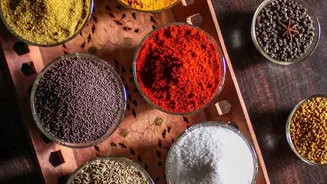
While there are many varieties of mustard, Bengali cooking primarily relies on black mustard seeds (Brassica nigra). These small, dark seeds are prized for their intense heat and robust flavour, forming the backbone of any true 'shorshe' preparation. Sometimes, they are mixed with yellow or brown mustard seeds. Yellow mustard seeds (Sinapis alba), which are more common in Western cuisines, are much milder and are used more for colour and bulk than for heat. By blending the two, cooks can create a paste that has both a beautiful golden hue and a potent, but not overwhelming, kick. The choice and ratio of seeds are a testament to the nuance involved in creating the perfect flavour profile.
The Art of the Paste
Traditionally, 'shorshe bata' was made using a 'shil nora', a flat stone slab and a cylindrical grinding stone. This manual process allowed for perfect control over the texture, crushing the seeds without generating too much heat, which can make the paste bitter. While modern mixer-grinders have made the process faster, many purists argue that the 'shil nora' produces a superior paste. A key trick, whether using traditional or modern methods, is to soak the seeds for about 15-20 minutes and then grind them with a pinch of salt and a green chilli. The salt helps in breaking down the seeds and, along with the chilli, is believed to prevent the paste from turning bitter—a dreaded outcome for any cook.
From Paste to Plate
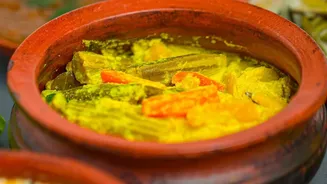
Once the paste is ready, it becomes the star of dishes that are cherished across Bengal and beyond. In 'Shorshe Maach', fish is simmered in a vibrant gravy of mustard paste, turmeric, and mustard oil, creating a dish that is pungent, savoury, and deeply satisfying. Another classic is 'Bhapa Chingri', where prawns are marinated in a thick mustard-coconut paste, drizzled with sharp mustard oil, and then steamed inside a sealed container. This gentle cooking method preserves the delicate flavour of the prawns while allowing the mustard's pungency to infuse them thoroughly. The paste is also used in vegetarian preparations, lending its signature sharpness to vegetables like eggplants and bitter gourd, transforming them into complex and delicious meals.