





In the bustling landscape of India’s metros, a quiet revolution is taking shape. Amidst the green expanse of public parks, open-air gyms are emerging as vital hubs for health, wellness, and perhaps most importantly, community connection.
More Than Just a Workout
Across India,
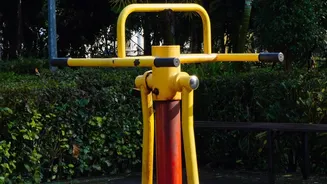
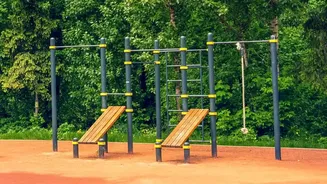
from Delhi to Bengaluru, municipal parks are being equipped with a range of sturdy, weather-resistant fitness equipment. These open-air gyms, featuring machines like air walkers, chest presses, and leg presses, offer a full-body workout that is accessible to everyone. This initiative, often part of larger urban rejuvenation projects like the Smart Cities Mission, is transforming underused public areas into dynamic wellness zones. Unlike traditional indoor gyms, these spaces require no membership fee and have no closing times, removing significant barriers to fitness for many urban dwellers. They represent a simple but powerful idea: that health and fitness should not be a luxury, but a freely available public good.
The Great Equaliser of Fitness
One of the most profound impacts of open-air gyms is their inherent inclusivity. By being free and publicly accessible, they attract a diverse cross-section of society. Teenagers, working parents, and senior citizens can all be seen exercising side-by-side. This multigenerational appeal is a key feature, with some equipment even ergonomically designed for older users to safely improve mobility and strength. This breaks down the financial and psychological barriers that can make conventional gyms intimidating or unaffordable. In cities where social interaction can be limited, these parks become 'third places'—spaces beyond home and work where people can gather, interact, and build a sense of shared experience.
Forging Bonds Through Fitness
The community-building aspect of these fitness parks is perhaps their greatest, albeit least tangible, benefit. What begins as a solitary workout often evolves into a shared routine. Regulars start to recognise each other, sharing tips, offering encouragement, or simply exchanging a friendly greeting. These small interactions weave a stronger social fabric. Strangers become workout partners, and neighbours who might otherwise never interact find common ground. Studies and user reports highlight this increased social connectivity as a major reported benefit, fostering a sense of camaraderie and mutual support that is crucial for community well_being.
A Prescription for Mental Well_being
The advantages of these parks extend far beyond physical strength. The concept of 'green exercise'—physical activity in a natural environment—has been shown to have profound mental health benefits. Spending time outdoors reduces stress, anxiety, and depression. Exposure to fresh air and sunlight can elevate mood and boost energy levels. Research has consistently shown that even a short time spent exercising in a green space can lower cortisol, the body's primary stress hormone, and promote a sense of relaxation and mental clarity that indoor workouts often can't replicate. In the high_stress environment of a modern city, these parks offer a vital, free_of_cost mental health resource.
Designing for a Healthier Future
The success of these community spaces is no accident. It is the result of thoughtful urban planning that recognises green spaces as critical infrastructure for public health. Municipal bodies and initiatives like the Fit India Movement are increasingly promoting the creation of these accessible fitness zones. The equipment itself is built to be durable, safe, and low_maintenance, often operating without electricity and thus having a minimal environmental impact. As this trend continues, it signals a shift towards designing cities that are not just economically productive, but also socially connected and holistically healthy for all their residents.