



The Great Monsoon Skin Dilemma
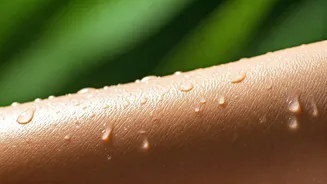
The Indian monsoon, with its high humidity, creates a unique environment for our skin. The moisture in the air can trick your sebaceous glands into producing more oil, leading to a constant greasy feeling, clogged pores, and an increase in breakouts.
[2, 12, 15] Many people believe that because the air is humid, they can skip moisturiser altogether. However, dermatologists warn this is a common mistake. [15, 21] Dehydrated skin can actually overcompensate by producing even more oil, making the problem worse. The key isn't to stop moisturising, but to choose the right type of hydration for the season. [16, 21]
Understanding Heavy Creams
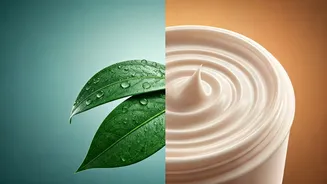
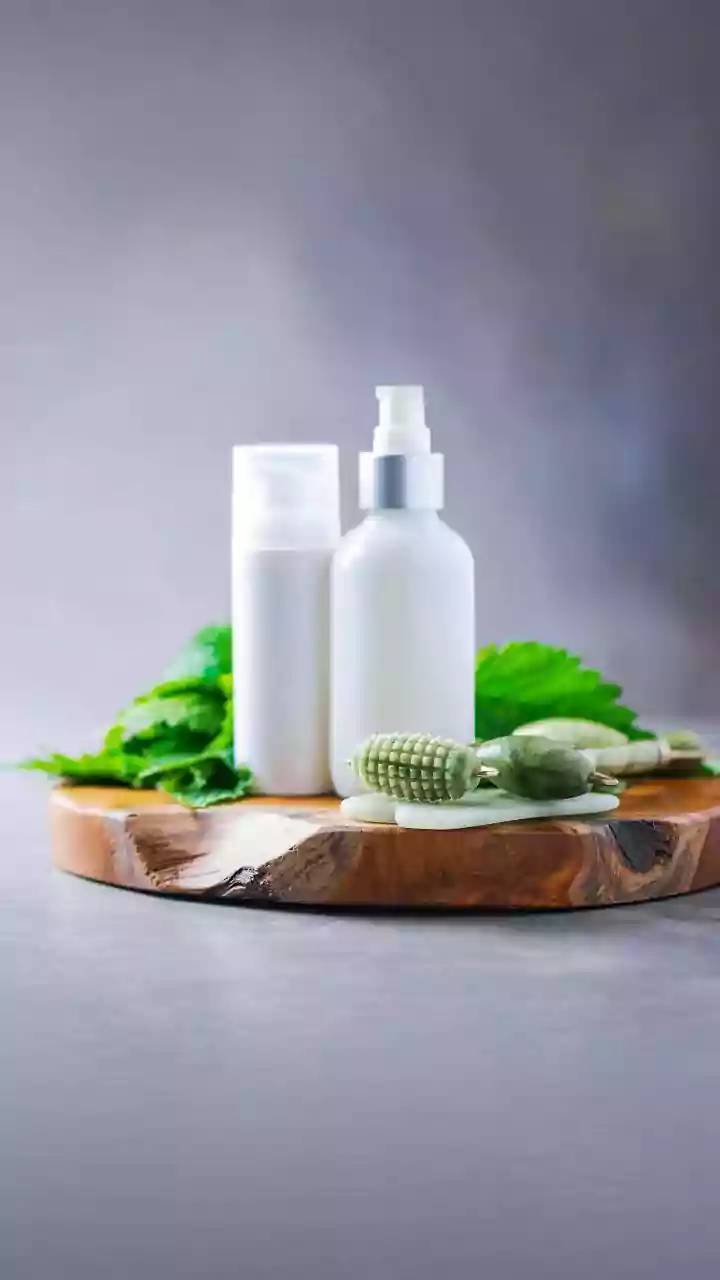
Heavy moisturisers are typically cream or oil-based formulations. [5] They are rich in 'occlusive' ingredients, which form a protective physical barrier on the skin to prevent moisture loss. These are excellent for very dry skin or harsh, cold winters. However, during the humid monsoon, this thick barrier can feel suffocating. [5, 7] It can trap sweat, oil, and environmental pollutants, creating a perfect breeding ground for acne-causing bacteria and potentially leading to clogged pores and breakouts, especially for those with oily or acne-prone skin. [7, 12, 16]
The Rise of the Lightweight Champions
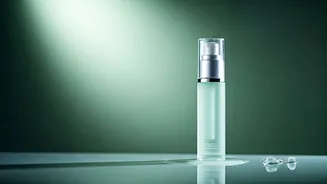
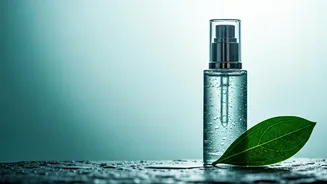
This is where lightweight moisturisers shine. These are typically water-based or gel-based formulas that are absorbed quickly without leaving a greasy residue. [5, 18] Instead of heavy occlusives, they are often packed with 'humectants' like hyaluronic acid and glycerin. [18] These ingredients act like magnets, drawing moisture from the humid air into your skin, providing hydration without the weight. [8, 12] This makes them ideal for the rainy season as they balance the skin's moisture levels without contributing to excess shine or clogging pores. [5, 8]
It's All About Your Skin Type
While 'lighter is better' is a good general rule for monsoons, the ultimate decision rests with your skin type. * **Oily and Acne-Prone Skin:** This is the category that benefits most from switching. Opt for a non-comedogenic (meaning it won't clog pores), oil-free, gel-based moisturiser. [8, 15, 17] These formulas provide necessary hydration while often containing ingredients that help control sebum and prevent breakouts. [9, 14] * **Dry Skin:** If you have dry skin, you might find that a gel moisturiser isn't enough. However, your usual thick winter cream might still be too heavy. [15] The solution is often a lotion or a light cream that offers more nourishment than a gel but is less occlusive than a heavy-duty cream. [5, 7] Look for formulas with ceramides to help repair the skin barrier. [8] * **Combination Skin:** You have the fun task of managing two skin types at once. During the monsoon, it's often best to treat your face like a map. Use a lightweight gel moisturiser on your oily T-zone (forehead, nose, and chin) and a slightly more nourishing lotion on the drier areas, like your cheeks. [5, 23]
Ingredients to Look For This Monsoon
When scanning product labels, keep an eye out for these beneficial ingredients. **Hyaluronic Acid** is a superstar humectant for lightweight hydration. [9, 10] **Niacinamide** is another hero ingredient, known for regulating oil production, reducing inflammation, and improving the skin's barrier function. [9, 10, 14] Green tea extracts, aloe vera, and cica are also great for soothing skin that might be irritated by the damp weather. [2, 5, 7] And don't forget the most important step: sunscreen. UV rays penetrate clouds, so a broad-spectrum, non-greasy sunscreen with at least SPF 30 is non-negotiable every single morning. [2, 4, 15]