


ISRO: The Bedrock Of A New Era
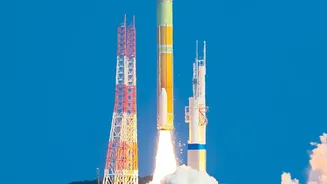
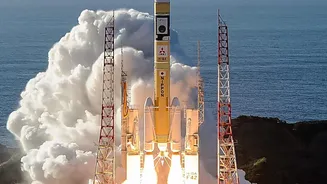
For over five decades, the Indian Space Research Organisation (ISRO) almost single-handedly carried the nation's space ambitions. From launching its first rocket from a fishing village to sending missions to the Moon and Mars, ISRO built a world-class
program renowned for its technological prowess and cost-effectiveness. This relentless pursuit not only served national needs in communication and remote sensing but also created a vast ecosystem of suppliers and technical expertise. It was this solid foundation, built on government investment and scientific achievement, that paved the way for the next logical step in India's cosmic journey: commercialization. ISRO's role is now evolving from being the sole player to becoming a mentor and enabler, focusing on advanced research and deep space exploration while private industry takes over more routine operations.
The Policy Push That Unlocked The Skies
The pivotal moment came with reforms initiated in 2020, which were formalized in the landmark Indian Space Policy 2023. This policy was not just a document; it was a declaration of intent to transform the sector from a government-led program into a dynamic, open market. Its core strategy is to foster a flourishing commercial presence in space. Central to this new architecture is the Indian National Space Promotion and Authorisation Centre (IN-SPACe). Acting as a single-window agency, IN-SPACe promotes, authorizes, and supervises all space activities by Non-Government Entities (NGEs), effectively serving as the crucial bridge between ISRO's legacy infrastructure and the ambitions of private startups. This new framework allows private firms to undertake end-to-end activities, from building and launching rockets to operating satellites and ground stations, creating a level playing field for a new generation of space entrepreneurs.
Meet The Trailblazers: Skyroot And Agnikul
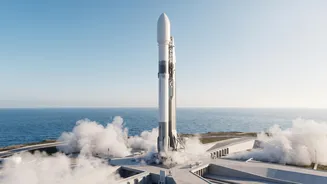
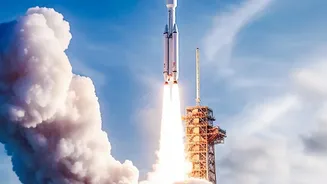
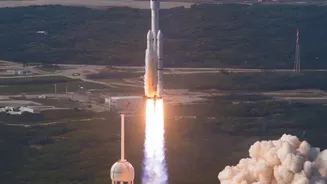
The policy shift has unleashed a wave of innovation, with hundreds of new startups entering the fray. Leading the charge are companies like Skyroot Aerospace and Agnikul Cosmos, both founded by former ISRO scientists. Skyroot made history on July 18, 2026, with the successful launch of its Vikram-1 rocket, achieving India's first-ever private orbital launch. This monumental achievement placed India in an elite club with the US and China as countries with private orbital launch capabilities. Hot on its heels, Hyderabad-based Skyroot is already preparing for its second Vikram-1 mission as of late August 2026, demonstrating a drive towards a regular launch cadence. Meanwhile, Chennai-based Agnikul Cosmos, incubated at IIT Madras, has pioneered single-piece 3D-printed rocket engines and established India's first private launchpad. Its successful suborbital test in May 2024 showcased its innovative technology, and the company is now developing reusable boosters.
The Billion-Dollar Countdown
This shift is not just about technological pride; it's about a massive economic opportunity. As of August 2026, India's space economy is valued at approximately $9 billion. However, projections indicate a stratospheric rise, with forecasts suggesting it could reach between $40 billion and $45 billion within the next decade. The government's ambition is to increase India's share of the global space market from its current 2-3% to a much more significant 8-10% by 2033. This growth is being fueled by a surge in private investment, which climbed dramatically in recent years, and by liberalized Foreign Direct Investment (FDI) norms that permit up to 74% automatic investment in satellite manufacturing and operations. The rise from a single space startup in 2014 to nearly 440 by mid-2026 underscores the sector's explosive potential for creating high-skilled jobs and driving innovation.