







Just How Weak Was the 2026 Monsoon?
The southwest monsoon is the lifeblood of India's economy, supporting a vast agricultural sector that provides livelihoods for nearly half the population. This year, however, the rains have been disappointing. The 2026 monsoon season, which runs from
June to September, concluded with a rainfall deficit of around 12.6%. This makes it the weakest monsoon season since 2015. The shortfall was not uniform; while some regions received normal rainfall, 38% of the country's districts experienced deficient rain. This patchy and uneven distribution, influenced by a strong El Niño weather pattern, has led to drought conditions in some areas and depleted water levels in major reservoirs, posing a risk to both the concluded summer (Kharif) harvest and the upcoming winter (Rabi) sowing season.
The Direct Hit on Kharif Sowing
The immediate impact of a poor monsoon is seen in the sowing of Kharif crops, which are planted in the summer. Data from late September shows that the total area under Kharif cultivation declined compared to the previous year. The most significant impact was on paddy (rice), with sowing area diminishing by over 1.6 million hectares across key states like Karnataka, Telangana, and Andhra Pradesh. The situation has prompted states like Karnataka and Maharashtra to declare a drought in a large number of their administrative blocks and seek central assistance. While the overall decline in acreage for all Kharif crops was around 1%, the hit to rice is a primary concern.
Why Pulses Are Particularly Vulnerable
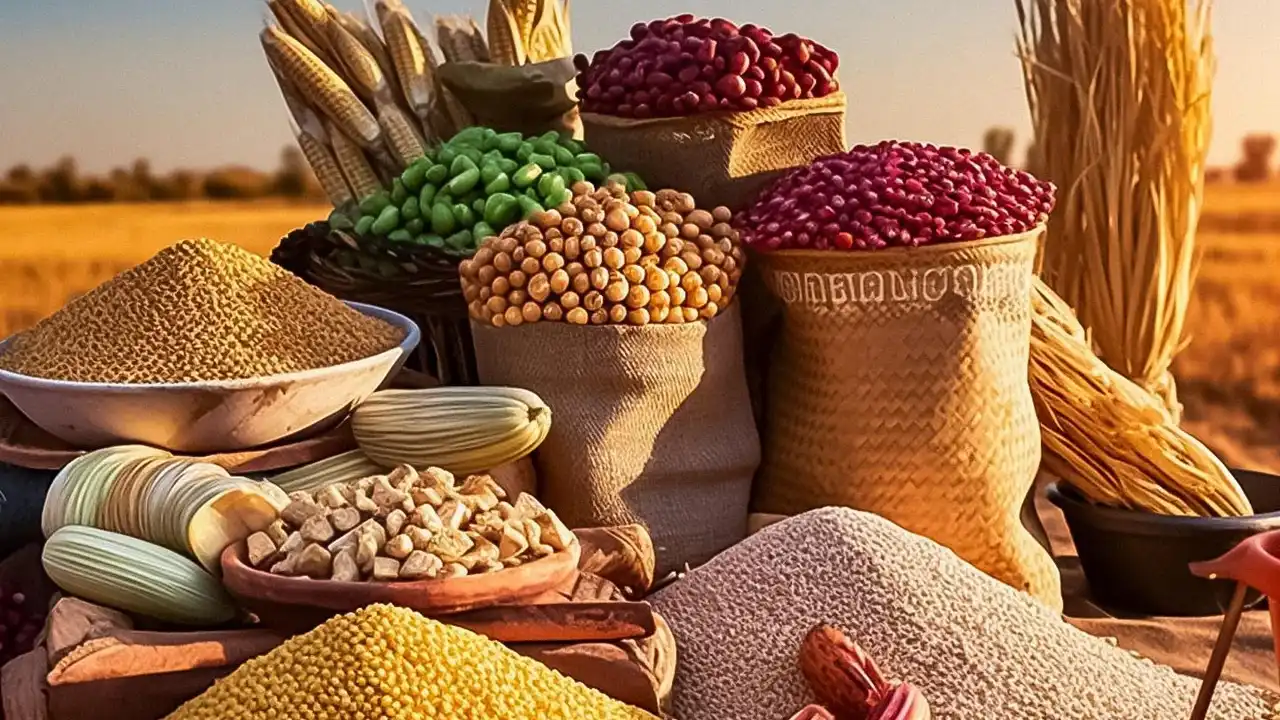
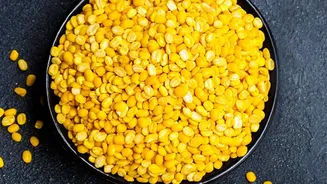
While rice often benefits from irrigation, many pulse crops are heavily rain-fed, making them extremely vulnerable to monsoon vagaries. A poor monsoon directly threatens the yield of essential dals like tur (arhar) and urad. Interestingly, despite the overall weak monsoon, the acreage for some pulses like tur and moong actually increased this year, as farmers shifted to less water-intensive crops. However, lower rainfall can still mean lower productivity per hectare, keeping supplies tight. India has a structural demand-supply gap in pulses and depends on imports to meet its needs. A weak domestic harvest due to poor rains could force the country to increase its imports of lentils and other pulses, putting upward pressure on global and domestic prices.
The Concern for Grains like Rice and Wheat
The reduced sowing of paddy is a direct consequence of the rainfall deficit. Beyond the immediate Kharif season, the weak monsoon has another critical effect: it fails to adequately replenish reservoirs. As of late September, water levels in India's primary reservoirs were at just over 70% of capacity, below the ten-year average. These reservoirs are crucial for irrigating the winter-sown Rabi crops, most notably wheat. A warmer and drier winter, which is often associated with El Niño, could further stress water resources and affect wheat yields during the critical harvest period in March and April. This dual threat to both the rice and wheat cycles is a significant cause for concern regarding food security.
Can Government Action Prevent a Price Shock?
The government is not standing by idly. Despite the challenges, officials have expressed cautious optimism, stating that the situation is under control and not a major crisis. One of the most powerful tools at its disposal is the country's large buffer stock of foodgrains, particularly wheat and rice, procured under the Minimum Support Price (MSP) program. These stocks can be released into the market to cool down prices if they rise too sharply. For pulses, where buffer stocks are less substantial, the government can adjust import policies, such as reducing or removing import duties, to increase overseas supply and stabilize prices. Furthermore, the government has been encouraging farmers to plant less water-intensive crops like pulses and oilseeds for the Rabi season to mitigate the impact of low soil moisture.