



Wayanad, Kerala: The Emerald Heart of the South
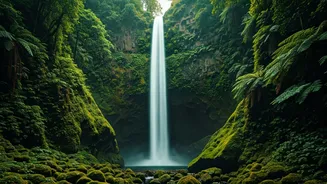
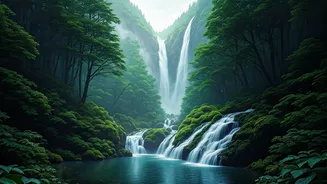
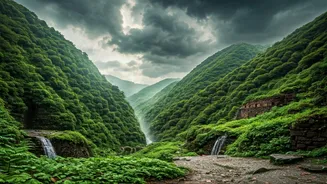
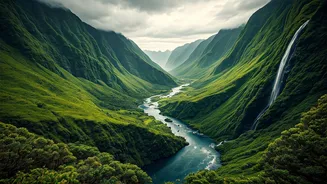
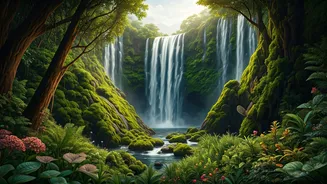
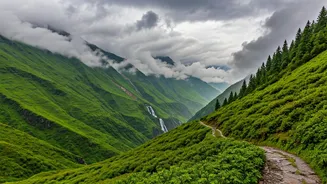
While many tourists flock to Kerala’s backwaters, the upland district of Wayanad remains a relatively tranquil escape, especially during the monsoon. From June to September, this region in the Western Ghats mountain range becomes a breathtaking sea of green.
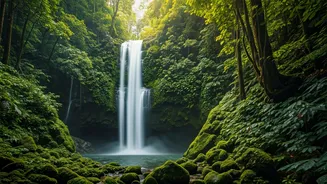
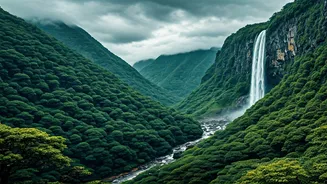
The rain washes the coffee and spice plantations clean, filling the air with the scent of cardamom, pepper, and wet earth. It’s the perfect time for short, misty treks to ancient caves like Edakkal, which offer stunning views of the valley below. Waterfalls, such as Soochipara and Meenmutty, are at their thunderous best. Settle into a cozy homestay, sip on freshly brewed coffee, and watch the clouds roll across hills that look like they’ve been painted in fifty shades of emerald.
Orchha, Madhya Pradesh: Ancient Ruins in the Rain
Imagine centuries-old palaces, temples, and cenotaphs standing silent against a dramatic, rain-filled sky. That’s Orchha during the monsoon. Located on the banks of the Betwa River in central India, this medieval town is often overlooked for the more famous sites of Rajasthan. But in the rainy season, it’s a photographer’s dream. The dry, dusty landscape transforms into a carpet of green, providing a stunning contrast to the weathered stone architecture. The crowds are thin, allowing you to explore the majestic Orchha Fort complex and the riverside chhatris (cenotaphs) in peaceful solitude. The sound of rain echoing through empty royal chambers is an experience you won't easily forget. It's history, atmosphere, and nature all rolled into one.
Malshej Ghat, Maharashtra: The Waterfall Wonderland
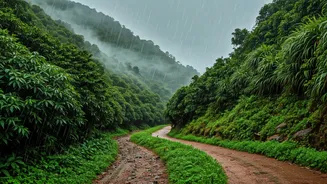
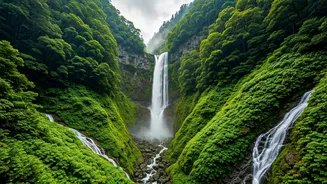
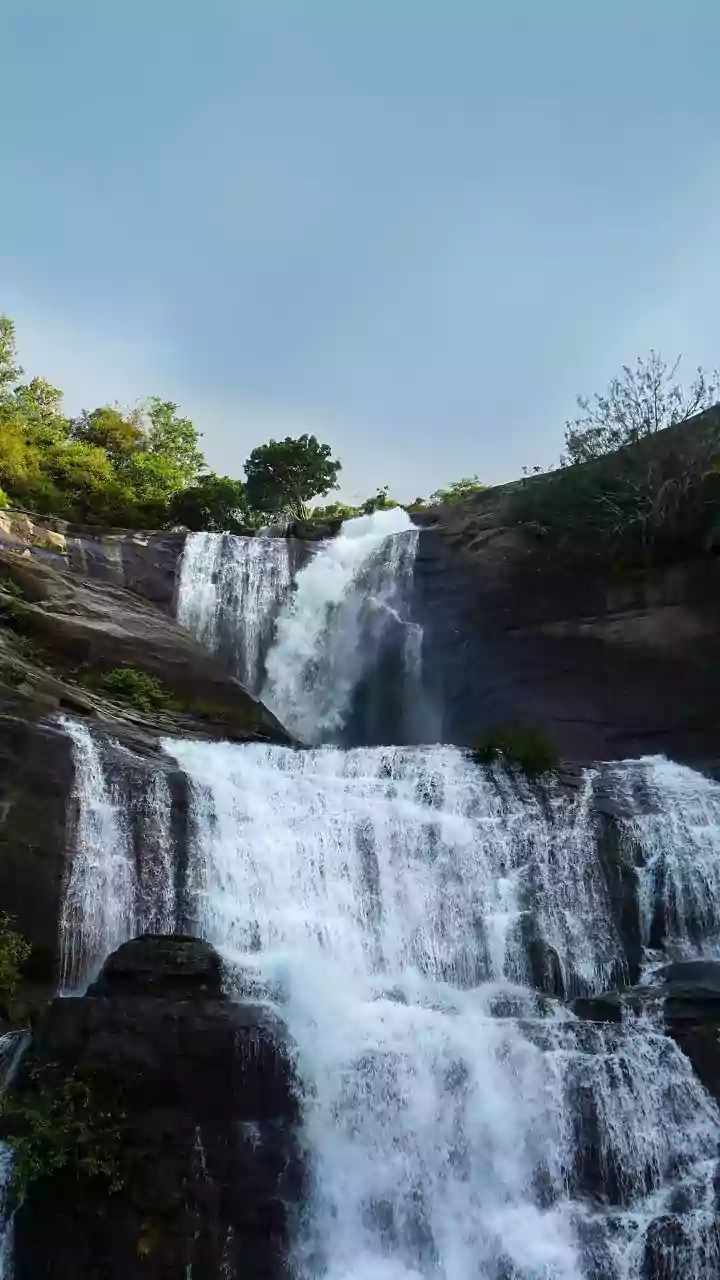
Just a few hours’ drive from Mumbai and Pune, Malshej Ghat is a mountain pass that becomes a natural waterpark during the monsoon. As the rains intensify, hundreds of waterfalls—from tiny rivulets to roaring cascades—spring to life, often spilling directly onto the winding roads. It’s a popular weekend getaway for locals but remains largely off the international tourist radar. The drive itself is the main attraction. Roll down your windows (if you dare) and feel the spray on your face. The entire area is shrouded in a thick, cinematic fog, with momentary clearings revealing panoramic views of the lush valleys below. It’s an immersive, exhilarating experience for anyone who loves a good road trip and the raw power of nature.
Bundi, Rajasthan: A Desert Kingdom Reborn
Rajasthan, the “Land of Kings,” is famous for its desert landscapes. But a monsoon trip to Bundi will completely change your perception of this state. This small, charming town, with its blue-painted houses and fairy-tale palace clinging to a hillside, becomes incredibly vibrant after the rains. The man-made lakes, including the picturesque Jait Sagar, fill to the brim, their waters reflecting the ornate architecture. The surrounding Aravalli Hills shed their brown coat for a temporary cloak of green. Bundi is known for its incredible stepwells, ancient water-harvesting structures that are fascinating to explore when the water levels are high. It’s a quieter, more atmospheric alternative to Jaipur or Udaipur, offering a glimpse of a desert kingdom celebrating the arrival of water.
Valley of Flowers, Uttarakhand: A Himalayan Alpine Meadow
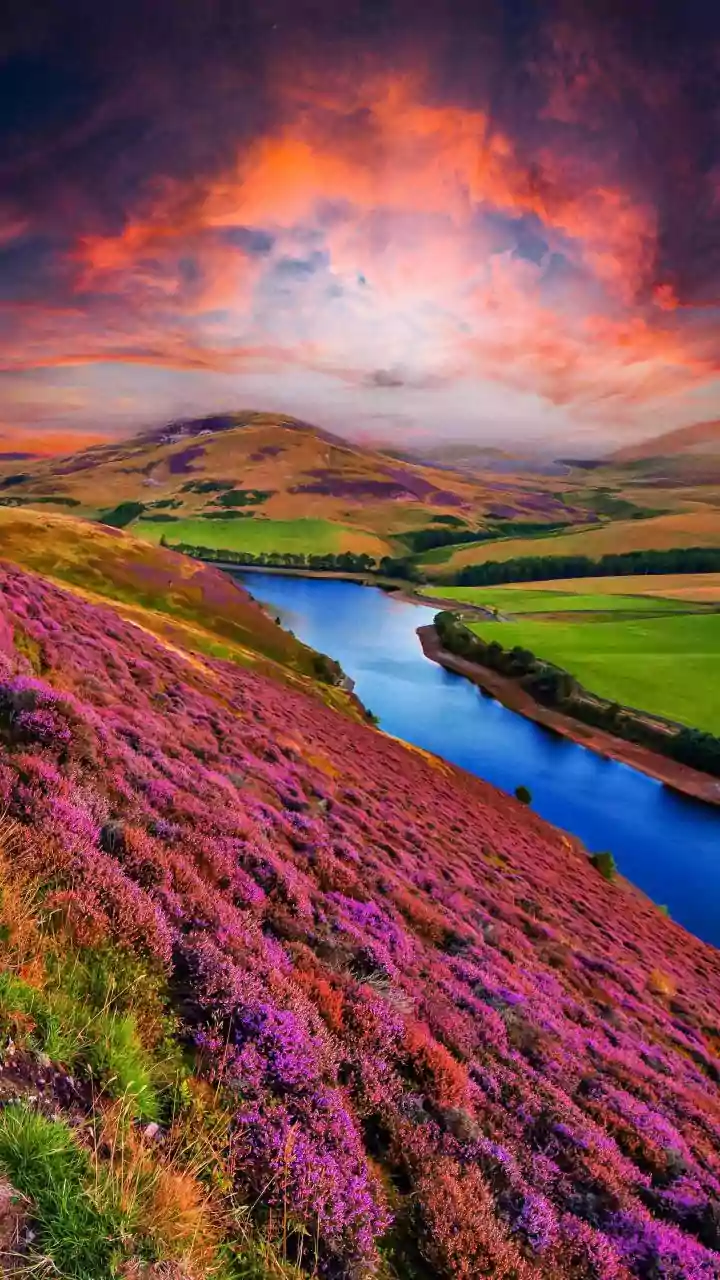
This one isn’t exactly a secret, but its short visiting window and remote location keep it from being overrun. The Valley of Flowers National Park is a high-altitude Himalayan valley that only opens from June to October. The monsoon is precisely the time to go. During these months, the entire valley explodes into a carpet of countless alpine flowers, creating a surreal, vibrant landscape against the backdrop of snow-capped peaks. It’s a UNESCO World Heritage Site accessible only via a multi-day trek, making the final reveal that much more rewarding. You’ll be hiking through misty forests and alongside gushing streams to reach a place that feels like it belongs in a fantasy novel. For the adventurous traveler, this is the ultimate monsoon pilgrimage.