

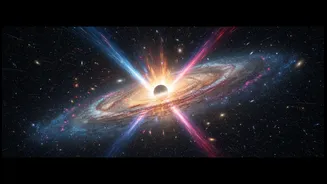


A Cosmic Alarm Clock Goes Off
In a distant galaxy named SDSS1335+0728, something extraordinary happened. For years, it was just another quiet galaxy in the Virgo constellation. But in late 2019, astronomers at the Zwicky Transient Facility in California noticed it had started to shine
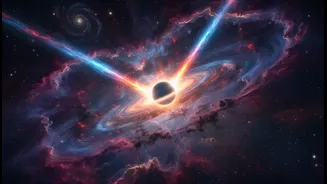
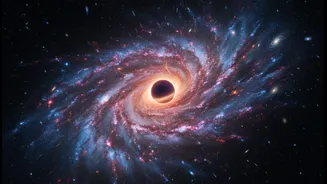
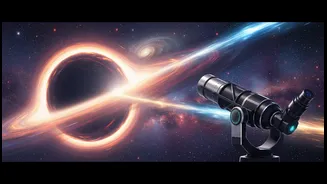
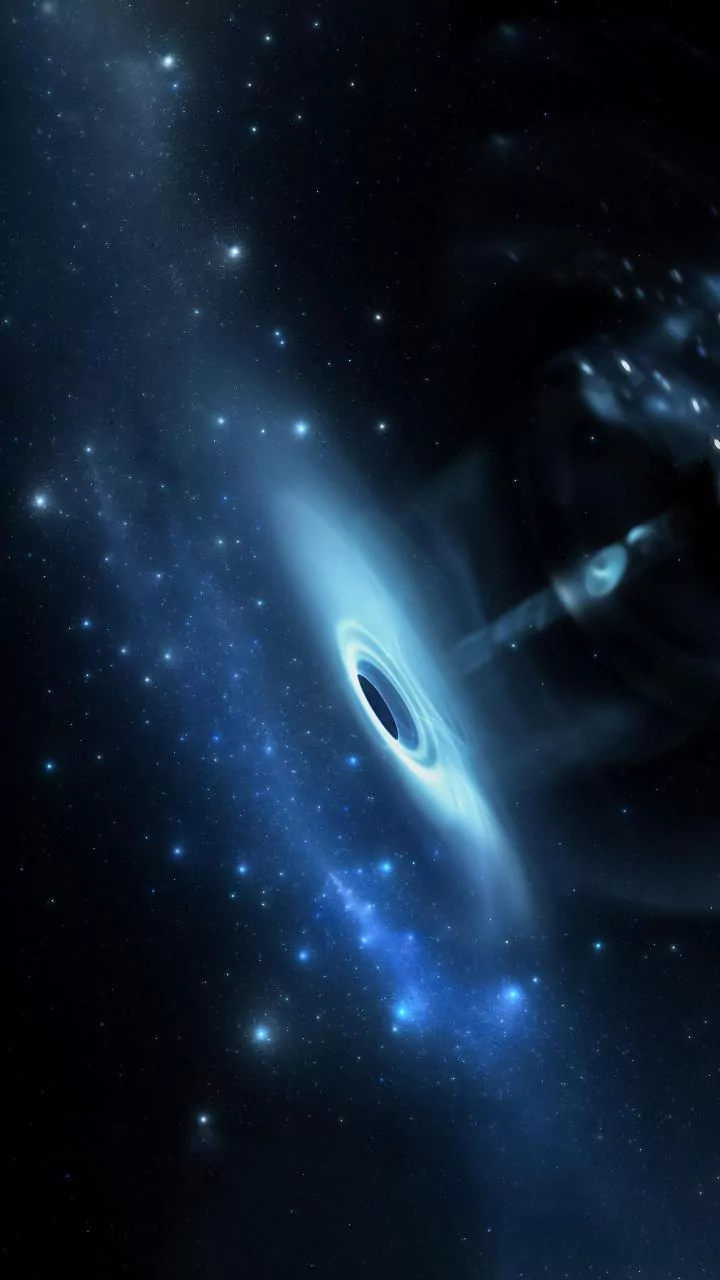
brighter than ever before. This wasn't a fleeting flicker; the galaxy’s core has continued to brighten for more than four years, radiating much more light in ultraviolet, optical, and infrared wavelengths. Then, in February 2024, it began emitting X-rays, a tell-tale sign of high-energy activity. This sudden and sustained change led scientists to an astonishing conclusion: they were watching, for the first time in real-time, the awakening of a supermassive black hole.
Dormant Giants and Active Feasts
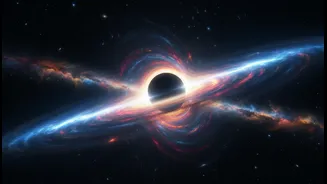
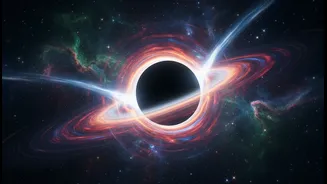
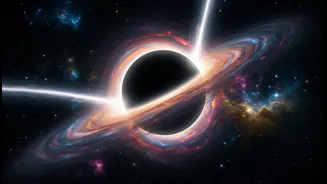
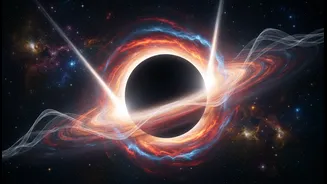
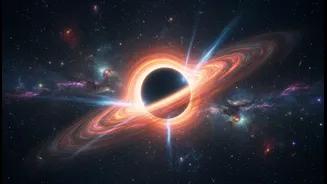
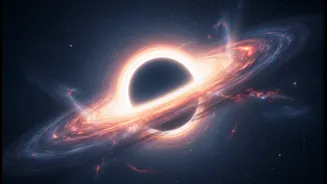
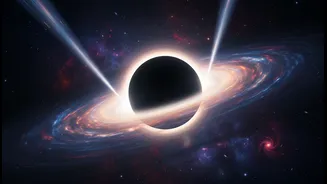
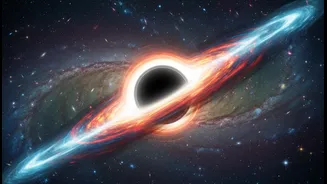
Most large galaxies, including our own Milky Way, host a supermassive black hole at their center. These behemoths are usually 'sleeping' or dormant, not actively feeding on surrounding material. As study co-author Claudio Ricci explains, these monsters are typically not directly visible. An 'active' black hole, on the other hand, is one that is voraciously consuming nearby gas and dust. This material forms a swirling, superheated disc around the black hole, called an accretion disk, which glows intensely bright — sometimes outshining the entire host galaxy. This active state is known as an Active Galactic Nucleus (AGN). While astronomers have seen galaxies switch between active and inactive states before, those observations always caught the aftermath. SDSS1335+0728 is different because we are witnessing the process of activation as it happens.
What Flipped the Switch?
The pressing question for astronomers is what caused this giant to wake up. One possibility is a 'tidal disruption event' (TDE), where a star wanders too close and gets shredded by the black hole's immense gravity, providing a sudden feast. However, TDEs usually cause a brightening that lasts for a few hundred days at most. The fact that SDSS1335+0728 is still getting brighter after several years makes a typical TDE unlikely, suggesting this could be a new, unusually long-lasting version of such an event, or something else entirely. The leading theory is that we are simply seeing the natural process of an AGN 'turning on' as a large supply of gas from the galaxy has begun to fall into the black hole's grasp. The unprecedented, real-time observation allows scientists to test theories about how these cosmic engines start up.
A Golden Opportunity for Science
This event is more than just a cosmic light show; it’s a unique scientific laboratory. Observing a black hole's awakening in real-time provides invaluable data on how these giants grow and influence their host galaxies. According to Paula Sánchez Sáez, the lead author of the study on the phenomenon, this behavior is unprecedented. By tracking the changes across the light spectrum, from optical to X-ray, scientists can piece together the physics of accretion and the formation of the structures around a black hole. Every new observation helps to refine models of galaxy evolution. It even raises intriguing, albeit distant, possibilities about our own galaxy. The supermassive black hole at the center of the Milky Way, Sagittarius A*, is currently dormant, but this event shows that such awakenings are a part of a galaxy's life cycle.