




The Vibe and Weather in November
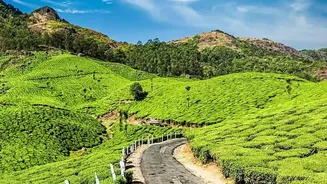
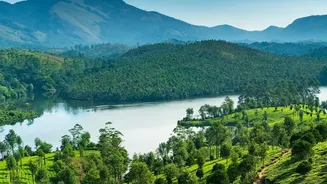
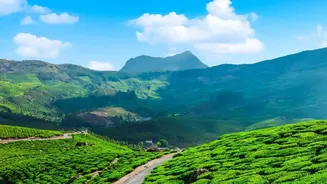
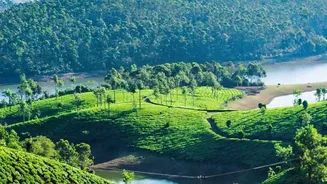
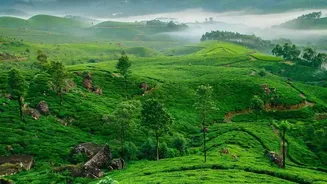
November is a magical time in both hill stations, marking the delightful transition from wet monsoon months to a cool, crisp winter. Munnar in November is exceptionally green and fresh. The climate is pleasantly cool, with temperatures hovering between
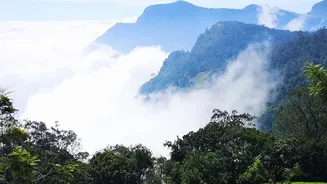
15°C and 25°C, making it perfect for daytime exploration without the biting cold. The occasional leftover shower can add to the romantic mist-laden atmosphere. Ooty, 'The Queen of the Nilgiris', also enjoys lovely weather in November, though it tends to be a few degrees cooler than Munnar, especially during the evenings and early mornings. You can expect temperatures to range from 12°C to 22°C. The air is crisp, and the skies are generally clear, offering fantastic views. Ooty feels more like a bustling, established colonial town, whereas Munnar offers a more sprawling, plantation-focused experience.
Scenic Drives: Tea Estates vs Hairpin Bends
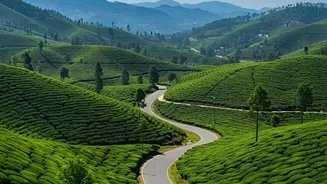
When it comes to breathtaking drives, both destinations are champions. Munnar's identity is inextricably linked to its vast, rolling tea plantations. Driving through the region is a serene experience, with roads winding through an endless carpet of emerald green. The route from Kochi to Munnar itself is a treat, but local drives to places like Top Station or the Marayoor Sandalwood Forests are spectacular. The roads are generally in good condition post-monsoon, and the landscape is lush and vibrant. Ooty's claim to fame is its dramatic mountain roads, particularly the famous Kalhatty Ghat Road with its 36 hairpin bends—a thrilling drive for the adventurous. The route from Mettupalayam via Coonoor is equally stunning, offering panoramic views of the Nilgiri mountains. The Nilgiri Mountain Railway, a UNESCO World Heritage site, offers another, more leisurely way to soak in the scenery. Munnar's drives are about immersive greenery, while Ooty's are about dramatic elevation changes and mountain vistas.
Outdoor Activities: Treks, Lakes, and Peaks
For the active traveller, the choice depends on the kind of adventure you seek. Munnar is a trekker's paradise. The post-monsoon season is ideal for hiking, with trails that take you through tea gardens, grasslands, and shola forests. Treks to Echo Point, Top Station, and the challenging Meesapulimala offer varying levels of difficulty and rewarding views. While Eravikulam National Park, home to the Nilgiri Tahr, often reopens post-monsoon, it's wise to check its status before planning. Ooty offers a different flavour of outdoor fun. Boating on the iconic Ooty Lake or the quieter Pykara Lake is a classic experience. For hikers, Doddabetta Peak, the highest point in the Nilgiris, provides a relatively easy trek for a stunning 360-degree view. Horse riding around the lake or through the picturesque countryside is another popular activity that gives Ooty a nostalgic, old-world charm.
Key Attractions: Nature's Best
Both hill stations are blessed with incredible natural beauty. In Munnar, the Mattupetty Dam is a must-visit, offering boat rides with potential sightings of elephants. The Attukad and Lakkam Waterfalls are at their majestic best after the rains. The Eravikulam National Park is the crown jewel, protecting a unique high-altitude ecosystem. Munnar’s attractions feel spread out, encouraging exploration and long drives. Ooty’s attractions are more concentrated. The Government Botanical Garden is a horticultural marvel, showcasing thousands of plant species. The Rose Garden is another highlight, especially for those with a love for flora. For a dose of history and culture, the Stone House and St. Stephen's Church offer a glimpse into Ooty's colonial past. The tea gardens in Ooty are also beautiful, but they compete with many other established tourist spots for attention.