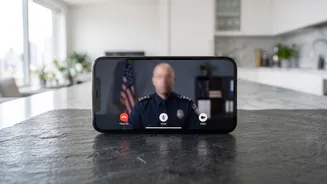






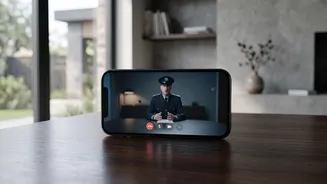

A call from an unknown number. A voice on the other end claims to be a police or CBI officer with urgent news: a parcel in your name contains illegal items, or your Aadhaar has been used in a crime. This is the start of a 'digital arrest' scam.
What is a 'Digital Arrest' Scam?
A 'digital
arrest' is a sophisticated form of cyber fraud where criminals impersonate officials from law enforcement agencies like the police, CBI, or Enforcement Directorate. They convince victims they are implicated in a serious crime, such as money laundering or drug trafficking, and place them under 'arrest' over a phone or video call. It’s crucial to know that the concept of a 'digital arrest' has no legal basis in India. No legitimate authority can arrest or interrogate you via WhatsApp or demand money to clear your name. The entire setup is a psychological trap designed to create panic and extort money.
The Anatomy of the Scam
The scam unfolds in carefully planned stages. It begins with an unsolicited call, often appearing from a spoofed, official-looking number. The fraudster, posing as an officer, accuses you of a crime and may send fake documents like arrest warrants or FIRs to lend credibility. They will then escalate the situation, often transferring you to a senior 'officer' via a video call on platforms like Skype or WhatsApp. These video calls may feature individuals in uniform in a backdrop designed to look like a police station. Victims are ordered to remain on the call, sometimes for hours, isolating them from family and friends who might otherwise offer help. The final step is the demand for money — a 'settlement fee' or 'verification deposit' to be transferred immediately to avoid public shame and legal action.
Psychological Tricks Fraudsters Exploit
These scams are effective because they weaponize fear and authority. Fraudsters create a sense of extreme urgency, threatening immediate arrest and dire legal consequences to prevent the victim from thinking clearly. By impersonating high-ranking officials and using official-sounding jargon, they establish a position of power. The tactic of keeping the victim isolated on a continuous call is deliberate, preventing them from verifying the claims with actual police or loved ones. They may even have some of the victim's personal data, gathered from previous breaches, to make the accusations seem more specific and believable. This combination of fear, isolation, and pressure can overwhelm even the most cautious individuals, including educated professionals and senior citizens.
Clear Red Flags to Watch For
Recognizing the signs is the first step to protecting yourself. Be highly suspicious of any unsolicited call from someone claiming to be a police or government official who accuses you of a crime. A huge red flag is any demand for money to 'settle' a case or for 'verification'. Real law enforcement agencies will never ask for payment via UPI, bank transfer, or gift cards to avoid arrest. Another warning sign is pressure to stay on the call, not speak to anyone, or install remote access software on your phone or computer. Also, pay attention to threats and overly aggressive language designed to make you panic. If anything feels off, trust your instincts and disengage.
How to Protect Yourself and What to Do
If you receive such a call, the first and most important step is to hang up immediately. Do not engage with the caller, share any personal information, or transfer any money. Remember, there is no such thing as a digital arrest in India. After disconnecting, block the number. To verify the situation, find the official phone number of the police station or agency mentioned by the scammer from an official government website and call them directly. Do not use any contact information provided by the caller. If you have been targeted or have lost money, report the incident immediately to the National Cyber Crime Reporting Portal at cybercrime.gov.in or by calling the helpline number 1930. Reporting quickly can help authorities attempt to freeze the fraudulent transaction.