



The Spiritual and Scientific Core
At its heart, the Sawan diet is rooted in the principles of Ayurveda and spiritual discipline. The primary goal is to consume 'sattvic' foods—those that are pure, light, and calming to the mind and body. This is why ingredients like fresh fruits, milk
products, and certain nuts are encouraged. Devotees avoid 'rajasic' (stimulating) and 'tamasic' (heavy or stale) foods, such as onion, garlic, and meat. The spiritual logic is that a sattvic diet aids meditation and brings mental clarity during this month of devotion to Lord Shiva. Scientifically, this aligns perfectly with the monsoon season. According to Ayurveda, the digestive fire, or 'agni', is naturally weaker during the humid, wet months. Light, easily digestible foods put less strain on the gut, helping to prevent illness when the body is more vulnerable.
Monsoon Logic and Gut Health
The avoidance of certain foods is not arbitrary. Leafy green vegetables, for instance, are often avoided because the high humidity and damp soil during the monsoon increase the risk of contamination and infestation. Similarly, heavy meats and even some lentils are considered difficult to digest when the body's metabolism slows down. The dietary shift is a practical, time-tested public health measure. By favouring warm, cooked meals over raw foods and using digestive spices like ginger, cumin, and black pepper, the traditional Sawan diet actively works to support gut health and boost immunity. It’s a seasonal reset that helps the body adapt to the challenges of the monsoon, reducing the risk of water-borne diseases and digestive issues.
Northern Plains: A Symphony of Grains and Tubers
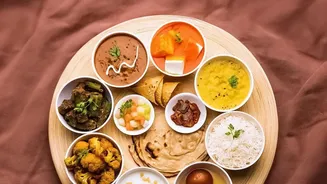
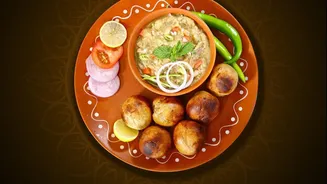
In North Indian states like Uttar Pradesh, Punjab, and Rajasthan, Sawan fasting menus are built around a specific pantry of alternative flours and vegetables. Buckwheat flour (kuttu ka atta) and water chestnut flour (singhare ka atta) are staples, used to make puris and rotis. These pseudo-cereals are gluten-free, light, and provide sustained energy. Potatoes and colocasia (arbi) become the base for simple, flavourful curries seasoned with rock salt (sendha namak) and cumin. Another hero ingredient is barnyard millet (samak ke chawal), which stands in for rice in dishes like khichdi and pulao. In Bihar, makhana (fox nuts) are widely used, often in kheer or as a simple roasted snack, reflecting the local produce of the region.
Western India: The Reign of Sabudana and Amaranth
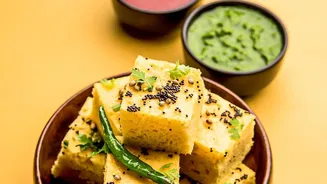
Travel west to Maharashtra and Gujarat, and the texture of Sawan food changes. Here, sabudana (tapioca pearls) reigns supreme. Sabudana khichdi, packed with roasted peanuts, potatoes, and green chillies, is an iconic fasting dish—light yet incredibly filling. Peanuts are a key ingredient in the region's fasting cuisine, providing healthy fats and protein. Another popular grain-substitute is amaranth (rajgira), used to make puris and a flatbread called thalipeeth. These dishes are often accompanied by fresh curd or simple fruit-based preparations. The use of coconut, both fresh and dried, is also more prominent here, adding a distinct regional flavour to sweets and savouries alike.
Eastern and Southern Nuances
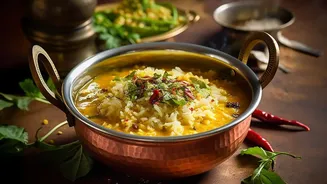
In Eastern India, such as West Bengal and Odisha, the focus remains on fruits and dairy products, with sweets like mishti doi and various kheer preparations being popular. The emphasis is often on lighter, simpler meals that align with the sattvic principle. In South India, the observance of this period, known by names like Shravana or Aadi, follows a different calendar and can have distinct traditions. While the principle of mindful eating remains, the specific foods can vary. For instance, in Kerala, the corresponding month of Karkidakam focuses on boosting immunity with medicinal rice gruels (kanji). In Tamil and Telugu homes, fasting might involve simple preparations of rice, coconut, and jaggery offered as prasad. These traditions showcase how the same spiritual sentiment is adapted to different climates, agricultural cycles, and local wellness philosophies.