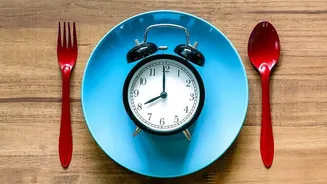








Understanding Your Body's Internal Clock
Deep inside your brain is a master clock, known as the circadian rhythm. This 24-hour cycle governs nearly every process in your body, from when you feel sleepy to hormone release and metabolism. It's designed to sync with the natural pattern of day and night.
Think of it as your body's internal operating system. But it's not just one clock; peripheral clocks exist in your organs, including your digestive system, liver, and pancreas. For your body to function optimally, all these clocks need to be synchronized with each other and the external world. The primary cue for this synchronisation is light, but another powerful signal is food.
How Shift Work Creates 'Internal Chaos'
Shift work forces your body into a state of 'circadian misalignment'. While you are awake and working through the night, your internal clocks are still following a day-oriented schedule. This mismatch sends conflicting signals throughout your body. Eating a large meal at 3 a.m. tells your digestive system it's daytime, while your master clock is screaming that it's time for rest and repair. This internal battle is why shift work is linked to a higher risk of developing metabolic issues like obesity and type-2 diabetes, as well as cardiovascular problems. Studies have shown that eating at night impairs the body's ability to process glucose, leading to higher blood sugar levels.
Daylight Eating: A Powerful Strategy
The solution lies in using meal timing to help realign your body's clocks. The principle is simple: confine your eating to daylight hours as much as possible, even on days you work a night shift. Research from institutions like the NIH has shown that when shift workers in a simulated environment ate only during the daytime, the typical spike in blood sugar associated with night work was prevented. One group that ate during the day and night saw their glucose levels rise by 6.4%, while the daytime-only eaters showed no significant increase. This suggests that by eating during the day, you support your metabolism when it's most efficient and give your digestive system a rest overnight, just as it's naturally programmed to do.
Practical Meal Timing Tips for Night Shifts
Adopting a daylight eating pattern requires planning, but it's achievable. The goal is to avoid or minimize food intake between midnight and 6 a.m.. Try to eat your main, most substantial meal before your shift begins, for example, a balanced dinner in the early evening. If you get hungry during your shift, opt for small, high-quality snacks that are easy to digest. Think about vegetables, yogurt, nuts, or a hard-boiled egg. Avoid sugary snacks and heavy, carbohydrate-rich foods late in your shift, as they can increase sleepiness when you need to be alert. Staying well-hydrated with water is also crucial, as dehydration can mimic fatigue.
Making It Work for You
It’s important to be realistic. The goal is not perfection but progress. Plan your meals ahead of time for the week, preparing healthy options you can grab easily. Try to maintain a consistent eating window even on your days off to help anchor your circadian rhythm. Some research also points to the benefits of intermittent fasting, such as a 5:2 diet approach, which can offer flexibility and improve metabolic health for shift workers. If you feel hungry after your shift before you go to sleep, a small snack with protein and carbohydrates, like cereal with milk, can prevent hunger from waking you up later. Listening to your body and finding a sustainable routine is the key to long-term success.