


A Vision for Water-Based Wings
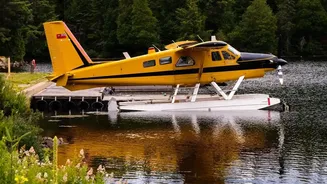
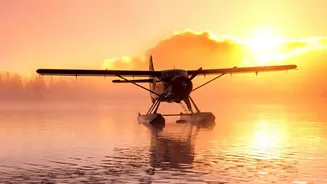
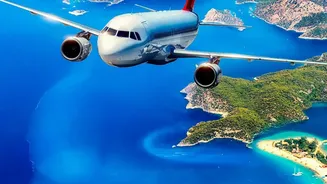
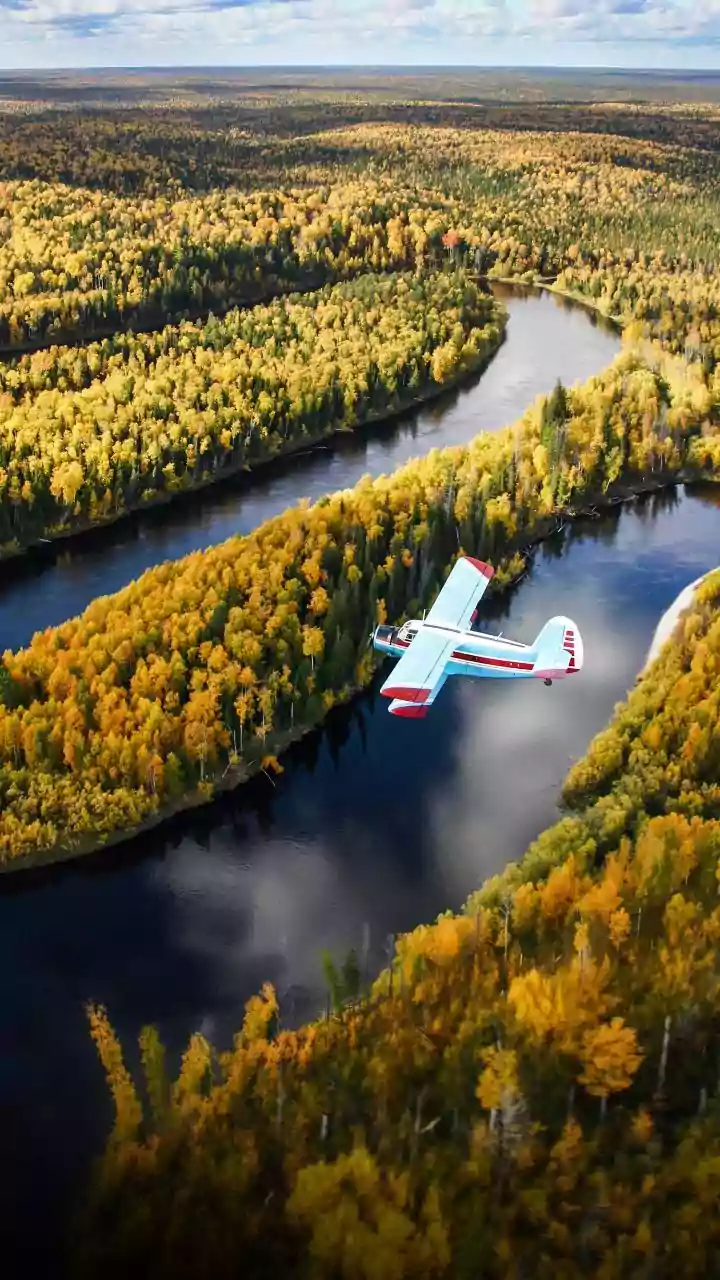
The Ude Desh ka Aam Nagrik (UDAN) scheme is the Indian government's ambitious project to enhance regional air connectivity and make flying affordable for the masses. A unique and exciting component of this initiative is the development of seaplane services.
The core idea is to utilise India's vast network of rivers, lakes, reservoirs, and its extensive coastline to establish 'water aerodromes'. This allows aircraft to connect remote locations that lack traditional airport infrastructure, thereby bringing scenic and often isolated destinations within easy reach of major metropolitan areas. This approach not only boosts tourism but also provides a new mode of transport for last-mile connectivity.
The Flagship Flight: A Reality Check
The most high-profile example of this initiative was the seaplane service launched in October 2020, connecting the Sabarmati Riverfront in Ahmedabad to the Statue of Unity in Kevadia, Gujarat. The flight promised to cut a four-hour road journey down to about 45 minutes, offering breathtaking aerial views along the way. However, this flagship route highlights the significant challenges facing the scheme. Operations were suspended in April 2021, less than six months after launch, due to a combination of high operating costs, maintenance difficulties with the foreign-registered aircraft, and the impact of the COVID-19 pandemic. Despite significant government investment, the service struggled with commercial viability, and attempts to find a new operator have been unsuccessful so far.
The Promise: Tourism and Connectivity
Despite early setbacks, the potential benefits of a widespread seaplane network are immense. For tourists, it offers a novel and time-efficient way to access destinations like the backwaters of Kerala, the islands of Andaman & Nicobar and Lakshadweep, or the vast reservoirs in Assam and Andhra Pradesh. The Ministry of Civil Aviation has awarded dozens of potential routes under various phases of the UDAN scheme, envisioning a future where travelers can easily hop from a city to a remote island or a hillside reservoir. This enhanced connectivity is expected to create a ripple effect, stimulating local economies, creating jobs in hospitality and transport, and encouraging the development of new tourism circuits.
Navigating Turbulent Waters
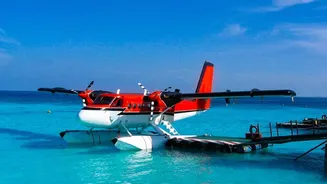
The path to a successful national seaplane network is fraught with challenges. The primary hurdle is economic viability. As the Kevadia route demonstrated, novelty alone cannot sustain operations if passenger traffic is inconsistent and operating costs are high. Unlike in places like the Maldives, where seaplanes are an integrated part of a high-volume, resort-based tourism ecosystem, India's market is still nascent. Other challenges include developing robust infrastructure for water aerodromes, ensuring safety and regulatory compliance, addressing environmental concerns, and training pilots and crew for this specialised form of aviation. The government is trying to address these issues by offering Viability Gap Funding (VGF) and simplifying regulations to attract private operators.
The Future Flight Path
The government remains committed to the seaplane vision. The Union Budget for 2026-27 included incentives for domestic seaplane manufacturing and a dedicated VGF scheme to support operators. Fresh rounds of bidding under the UDAN scheme have identified numerous potential routes, with a particular focus on connecting island territories and tourism hotspots in states like Kerala. The government has awarded dozens of routes and identified many water bodies for potential waterdrome development. As of early 2026, there is renewed official push for the scheme, with plans to revive services and launch new routes in places like the Andaman & Nicobar Islands. For the dream of seamlessly connecting metros to waterfront paradises to take flight, it will require a concerted effort from government, private enterprise, and the tourism industry to build a sustainable and integrated ecosystem.