


The High-Intensity Hangover
For years, the fitness mantra has been dominated by one idea: go harder, go faster. High-Intensity Interval Training (HIIT) became the gold standard, promising maximum results in minimum time. While effective for many, this all-or-nothing approach has also
led to a collective burnout. The focus on extreme exertion can increase the risk of injury, create unsustainable routines, and leave many feeling intimidated or defeated before they even start. This intense culture has created a quiet demand for an alternative—a way to build fitness that prioritizes consistency and enjoyment over sheer exhaustion. The conversation is shifting towards longevity and what truly keeps us moving for a lifetime, not just for a season.
An Unlikely Hero: The Nordic Walking Revival
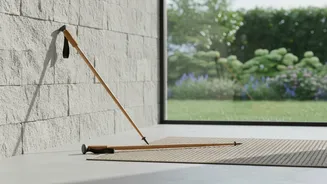
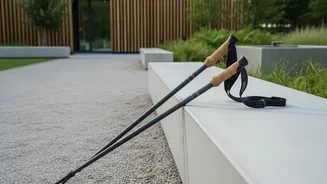
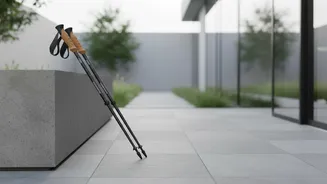
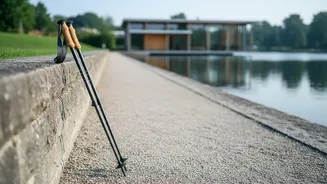
Enter Nordic walking, a fitness trend that has been steadily gaining popularity. Originally developed in Finland as a summer training method for cross-country skiers, this activity is now being embraced by people of all ages for its unique blend of low-impact cardio and full-body strength training. It involves walking with specially designed poles, transforming a simple stroll into a comprehensive workout. Far from being just a gentle walk in the park, Nordic walking engages up to 90% of the body's muscles, compared to about 50% with regular walking. This surge in interest isn't just a fad; it represents a larger movement towards more mindful and joint-friendly forms of exercise.
More Than Just a Walk
The science behind Nordic walking explains its growing appeal. By using poles to propel yourself forward, you engage your arms, shoulders, back, and core, turning your walk into a full-body exercise. Studies show this can increase calorie burn by anywhere from 18% to over 60% compared to conventional walking, without feeling more strenuous. The poles also provide stability and reduce the impact on knees, hips, and ankles, making it an excellent option for those with joint concerns, older adults, or anyone recovering from an injury. Furthermore, research has linked it to improved cardiovascular health, better balance, increased endurance, and even enhanced mood.
The Power of a Steady, Gradual Pace
Nordic walking is the poster child for a broader fitness philosophy: the power of Low-Intensity Steady-State (LISS) training. Unlike HIIT, which involves short bursts of maximum effort, LISS focuses on maintaining a moderate, consistent pace for a longer duration, typically 45 to 60 minutes. This approach is incredibly effective for building aerobic efficiency and teaching the body to use fat for fuel more effectively. Training at a gradual pace strengthens the heart, improves circulation, and reduces stress on the body, which aids in quicker recovery. It’s about building a durable foundation for fitness, one that allows for consistency and prevents the cycle of burnout and injury.
A Workout for Everyone
One of the most compelling aspects of gradual-pace exercise like Nordic walking is its accessibility. It's not just for seniors or those in physical rehabilitation, though it is highly beneficial for both groups. It’s for athletes on recovery days, beginners looking for a welcoming entry point into fitness, and anyone tired of high-impact routines. The beauty of Nordic walking is its adaptability; you can have a gentle walk or a vigorous workout simply by adjusting your pace and how forcefully you use the poles. This makes it a truly democratic form of exercise, suitable for virtually any fitness level and a powerful tool for maintaining lifelong mobility and strength.