
The Switch to Opening in ODIs
For the first six years of his international career, Rohit Sharma was a gifted but inconsistent middle-order batsman. Flashes of brilliance were often followed by frustrating dismissals, and his spot in the team was far from secure. The turning point
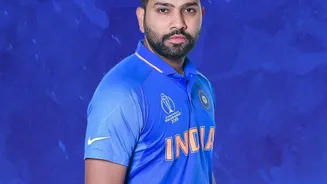
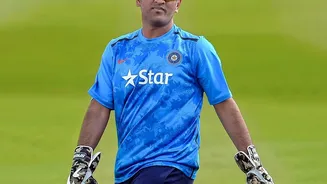
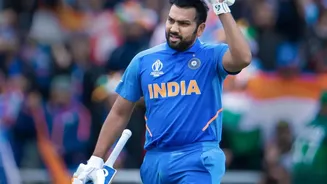
came in 2013 when then-captain MS Dhoni made the call to send him to the top of the order. It was a significant risk. Rohit had only opened briefly before with little success. This move could have been the final nail in his ODI career. Instead, it was the masterstroke that unlocked the 'Hitman'. Given the responsibility to face the new ball and build an innings, Rohit's career was transformed. He has since scored three double-centuries in the format, a feat no other batsman has achieved, and became one of the most destructive openers in the history of the game.
Taking on the Test Opener Challenge
By 2019, Rohit was an undisputed white-ball legend, but his Test career was stalling. Despite his talent, he couldn't cement a place in India's packed middle order. The team management then offered him a final lifeline: a chance to open the innings in Test cricket. It was a monumental risk. Facing the swinging red ball requires a completely different technique and temperament. Many white-ball specialists had failed to make this transition. Rohit himself admitted he knew it was likely his 'last chance' to make his mark in the traditional format. He didn't just succeed; he conquered the challenge. In his first series as a Test opener against South Africa, he scored twin centuries in his very first match, followed by a double-century later in the series, securing his place for good. This gamble didn't just save his Test career; it redefined it.
Accepting the Mumbai Indians Captaincy
In the middle of the 2013 IPL season, the Mumbai Indians were struggling. The team, led by the legendary Ricky Ponting, had lost three of their first six games. In a shock move, Ponting stepped down from the captaincy and dropped himself from the team due to poor form. The management approached a 25-year-old Rohit Sharma to take over. This was a huge gamble. Handing the reins to a younger player mid-season, replacing a World Cup-winning captain, could have destabilised the team entirely. Rohit, who had been vice-captain, accepted the challenge without hesitation. The payoff was immediate and historic. He led MI to their first-ever IPL title that same season and went on to win four more championships in 2015, 2017, 2019, and 2020, making him the joint-most successful captain in the league's history.
The Unrelenting Pursuit of 264
In a 2014 ODI against Sri Lanka at Eden Gardens, Rohit Sharma played an innings that still defies belief. After being dropped on just four runs, he went on to score a century. At that point, most batsmen would consolidate, ensuring a strong finish for the team. But Rohit took an entirely different risk. He decided to attack relentlessly, pushing the boundaries of what was thought possible in a 50-over innings. The risk was getting out and squandering a well-set platform. Instead, he accelerated in a breathtaking display of power-hitting, moving from 100 to 250 in blistering fashion. He finished with 264 runs from 173 balls, an individual score that remains the highest in ODI history and is unlikely to be broken. It wasn't just a big score; it was a statement of intent, showcasing a fearless mindset to chase immortality when a safer path was available.