
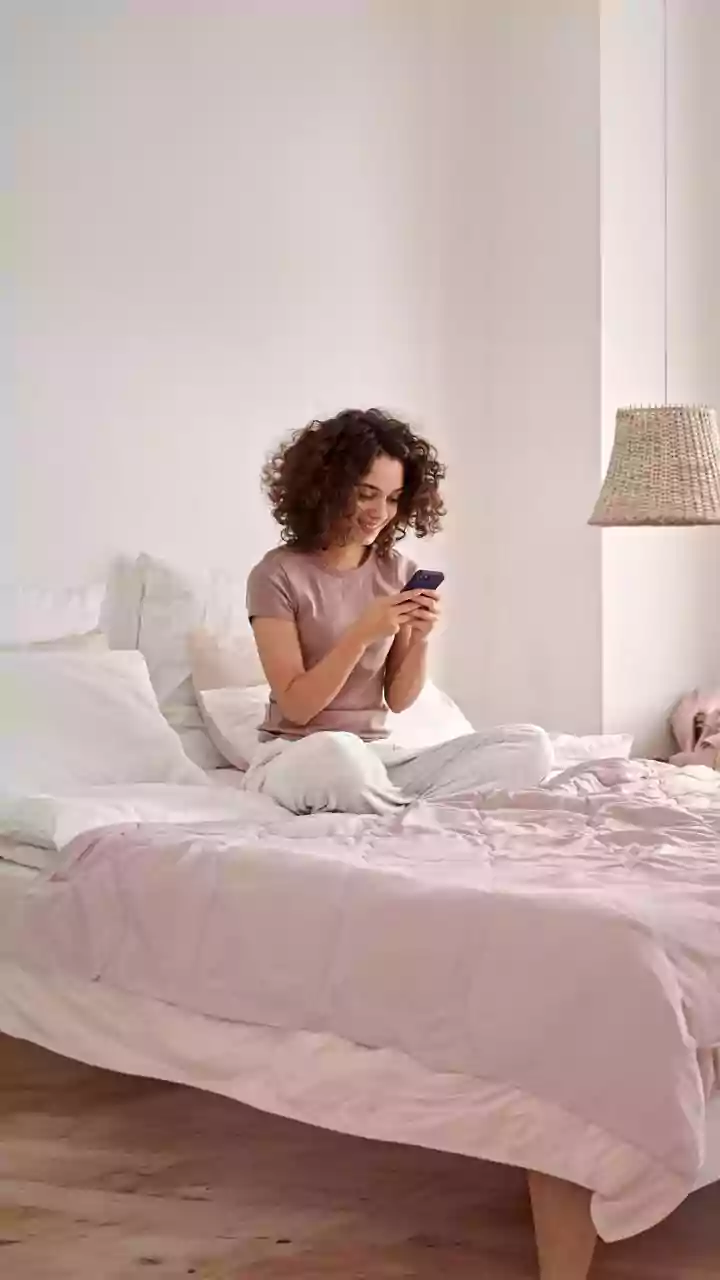




Tired but wired? It’s a familiar feeling for many of us who lie in bed scrolling through our phones. The struggle to fall asleep isn't just in your head; it's a biological response to our modern, screen-filled evenings.
The Glow That Keeps You Going
The culprit behind this frustrating
phenomenon is the specific type of light our devices emit. Smartphones, tablets, laptops, and LED televisions all produce a high concentration of short-wavelength blue light. During the daytime, exposure to the sun's natural blue light is beneficial, helping to boost alertness and regulate our mood. The problem arises when we expose ourselves to this same type of light long after the sun has set. Our brains interpret this artificial glow as daylight, sending a powerful signal that it's still time to be awake and active. This effectively tricks our internal body clock, creating a mismatch between how tired we feel and our ability to actually fall asleep.
Disrupting Your Body's Sleep Hormone
Our sleep-wake cycle, or circadian rhythm, is primarily regulated by a hormone called melatonin. As darkness falls, the brain's pineal gland begins to produce melatonin, which circulates through the body, inducing sleepiness and preparing us for rest. However, exposure to blue light at night is particularly potent at suppressing melatonin production. Studies have consistently shown that evening screen use can significantly delay the onset of melatonin release, sometimes by as much as 1.5 hours. This hormonal suppression is a key reason why it can take much longer to fall asleep after spending time on a screen. Your body simply isn't getting the memo that it's nighttime.
More Than Just Blue Light
While blue light is a major physiological factor, the content we consume on our screens also plays a significant role. Engaging with mentally stimulating or emotionally charged content—like checking work emails, scrolling through social media, or playing an interactive game—keeps our minds alert. This cognitive stimulation increases our heart rate and puts the brain into a state of active engagement, which is the opposite of the calm, relaxed state required for sleep. This is why even if you use a 'night mode' or blue-light filter, you might still find it difficult to wind down. The combination of hormonal disruption from the light and mental arousal from the content creates a perfect storm for delayed sleep onset.
Actionable Steps for a Digital Sunset
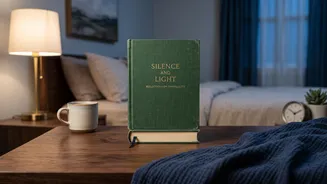
Reclaiming your evenings and improving your sleep doesn't require a complete digital ban. The key is to create a 'digital sunset' that allows your brain and body to properly wind down. Experts recommend stopping screen use at least one to two hours before your intended bedtime. Use this time for relaxing, screen-free activities like reading a physical book, taking a warm bath, gentle stretching, or listening to calming music. If you must use a device, enable 'night mode' settings to shift the screen to a warmer tone and turn the brightness down as low as possible. Another highly effective strategy is to make your bedroom a tech-free zone by charging your devices in another room overnight. This removes the temptation to scroll when you should be sleeping.