




The Slowdown in Zero Gravity
On Earth, gravity helps move food through our digestive system. In space, the body relies solely on peristalsis, the wave-like muscle contractions of the digestive tract. Without gravity's assistance, this process, known as gastrointestinal motility,
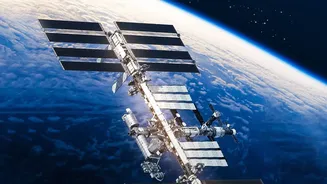
can slow down. This slowdown is a primary reason why astronauts frequently report issues like constipation, bloating, and indigestion. Recent studies analyzing blood samples from astronauts on the International Space Station (ISS) have provided strong evidence for this phenomenon, showing metabolic markers that point to a slower gut transit time.
A Shift in the Gut Microbiome
The human gut is home to trillions of microorganisms that play a crucial role in digestion and overall health. Research shows that spaceflight profoundly alters this internal ecosystem. With digestion moving more slowly, the bacteria in the gut run out of their preferred fuel—fiber and carbohydrates—much sooner. As a result, they switch to fermenting protein instead. This shift is significant because protein fermentation produces different byproducts, some of which have been linked in other research to cell aging and inflammation. These changes in microbial activity begin within weeks of an astronaut arriving in space and can persist until they return to Earth.
The Impact on Astronaut Health
The changes to digestion and the gut microbiome are not just a matter of discomfort; they have wider implications for astronaut health. A less diverse or altered microbiome can affect the immune system. Studies have noted that the immune response can be suppressed during spaceflight, and changes in certain beneficial bacteria might contribute to this. Furthermore, a connection between gut health and mental well-being, often called the gut-brain axis, is an area of growing concern. Some byproducts of the altered gut activity in space have been associated in animal studies with anxiety-like behaviors, highlighting the need to understand these effects for long-duration missions.
Searching for Solutions
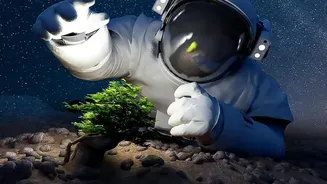
Understanding these challenges is the first step toward solving them, especially with long-term missions to the Moon and Mars on the horizon. Researchers are actively investigating dietary strategies to support astronaut gut health. One promising idea is to increase the intake of slowly fermented carbohydrates, which would provide a more sustained energy source for gut microbes and reduce their reliance on protein. NASA is also exploring how to grow fresh vegetables in space, as the quality of space-grown food can be directly linked to astronaut nutrition and gut health. Other advanced concepts for deep-space travel even include developing systems that recycle astronaut waste into safe, protein-rich food sources using specialized microbes.