






A New Blueprint for the Skies
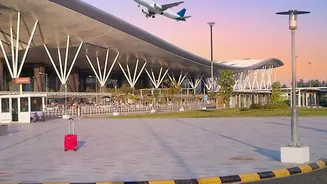
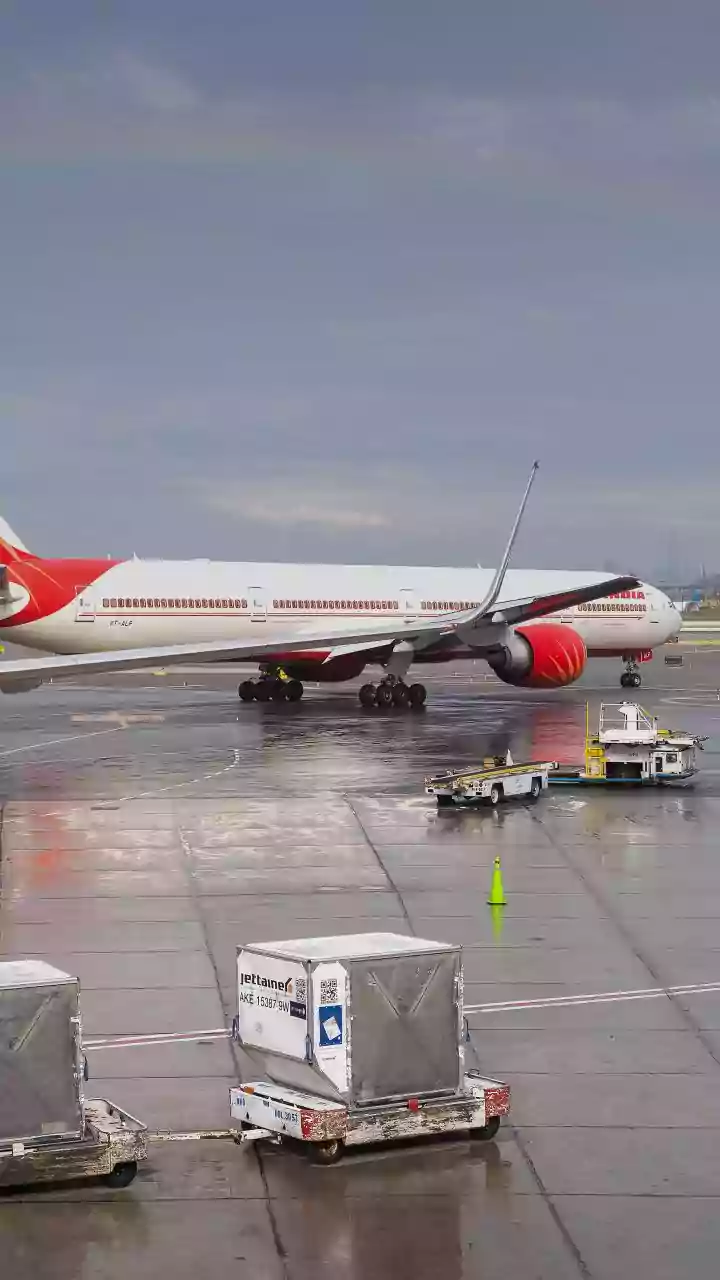
The Government of India has unveiled a bold vision for the country's aviation infrastructure. In early September 2026, Civil Aviation Minister K. Rammohan Naidu announced a plan to build 100 new airports by 2036. This decade-long project, backed by an estimated
investment of ₹30,000 crore, aims to fundamentally reshape how Indians travel. The initiative builds on a period of rapid expansion that has already seen the country's airport count grow from 74 in 2014 to 166 today. The new plan will focus specifically on taking air travel beyond the major metropolitan hubs and deep into India's Tier-2 and Tier-3 cities, as well as remote, Himalayan, and island territories. This isn't just about adding runways; it's about creating a more integrated and accessible national transport network.
UDAN: The Engine of Expansion
The driving force behind this expansion is the government's flagship Regional Connectivity Scheme, UDAN (Ude Desh ka Aam Nagrik, or 'Let the Common Citizen Fly'). In March 2026, the Union Cabinet approved a modified version of the scheme for a ten-year period, from 2026 to 2036, with an outlay of nearly ₹29,000 crore. The scheme works by making air travel affordable on previously unviable routes. It provides financial incentives to airlines, known as Viability Gap Funding (VGF), to bridge the gap between the cost of operations and revenue on routes with low passenger numbers. In return, airlines agree to cap fares on a certain percentage of seats. This subsidy model is designed to stimulate demand and make it commercially feasible for airlines to connect smaller towns that were previously only accessible by long road or rail journeys.
Connecting Bharat's Small Towns
The true impact of this push extends far beyond the convenience of air travel. For dozens of smaller cities and regions, the arrival of an airport can be a transformative economic event. Improved connectivity can boost local tourism, trade, and commerce by making it easier for people and goods to move in and out. Access to better healthcare and educational opportunities in larger cities becomes faster and more reliable. Furthermore, the construction and operation of airports generate significant direct and indirect employment, stimulating local economies. By connecting places like the Himalayan states, remote northeastern districts, and islands like Lakshadweep and the Andamans, the plan aims to foster more balanced regional development across the country.
Turbulence and Headwinds
Despite the grand vision, the path to 2036 is not without significant challenges. The primary concern is the long-term financial sustainability of the new routes. The UDAN scheme has been criticized for routes that become defunct once the three-year viability gap funding period ends. A 2023 audit by the Comptroller and Auditor General (CAG) noted that of 774 routes awarded in early phases, a significant number either never started or were discontinued. Low passenger demand, high operating costs for airlines, and inadequate ground infrastructure in some remote areas pose persistent hurdles. In some regions, improved highways and modern rail networks can also offer a more cost-effective and convenient alternative, making it difficult for short-haul flights to compete. For the plan to succeed, it will need to ensure that the demand is real and sustainable beyond the initial subsidy period.