


A Jewel of the Winter Season
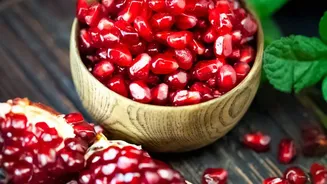
Often called the 'rubies of winter', pomegranates are one of India's most cherished seasonal fruits, with their main harvest season running from autumn into the winter months. Native to the region stretching from modern-day Iran to northern India, this
fruit has been cultivated for millennia and holds a special place in Indian culture and cuisine. While available in some form year-round, the winter harvest brings forth the most succulent and flavourful varieties. The cool, dry weather allows the fruit to mature perfectly, developing its signature deep red colour and packing its arils with juice, making it a refreshing and hydrating choice during the drier season. Symbolising prosperity and fertility in many traditions, the appearance of pomegranates in local markets signals the heart of the festive and winter season.
A Powerhouse of Health Benefits
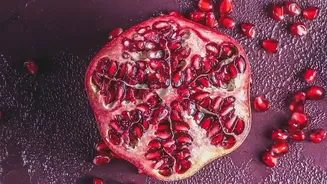
Beyond its delightful taste, the pomegranate is a well-regarded superfood. Ayurveda, India’s ancient system of medicine, has long celebrated 'Dadima' (pomegranate) for its ability to balance the body's doshas and purify the blood. Modern science confirms these ancient beliefs, highlighting the fruit's exceptional antioxidant content, which is said to be three times higher than that of green tea or red wine. These powerful compounds, like punicalagins, may help protect cells from damage, reduce inflammation, and support heart health by lowering blood pressure and preventing plaque buildup in arteries. Rich in Vitamin C, potassium, and fibre, regular consumption of pomegranate can aid digestion, boost immunity, and even improve memory and skin health.
How to Pick the Perfect Pomegranate
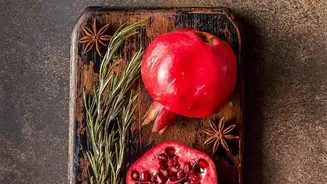
Choosing a good pomegranate is key to enjoying its juicy goodness. First, look for a fruit that feels heavy for its size; this indicates that the arils inside are plump and full of juice. The skin should be firm, taut, and have a rich, deep red colour, though some varieties can range from pink to purplish. Don't be deterred by minor surface scratches, as they don't affect the quality of the fruit inside. A ripe pomegranate often loses its perfectly round shape and develops slight ridges or a somewhat square-like form as the seeds swell and press against the skin. When you tap it, you should hear a metallic sound. Avoid fruits with soft spots, large cracks, or a light-for-its-size feel, as these can be signs that the fruit is either bruised or dried out.
The Art of De-seeding Without the Mess
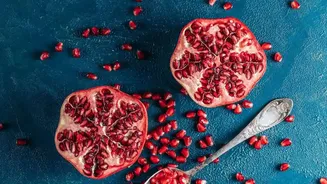
Extracting the vibrant arils from a pomegranate can seem daunting, but a few simple techniques make it easy. One popular method is the 'spoon whack'. Simply cut the pomegranate in half horizontally. Hold one half, cut-side down, over a bowl and firmly tap the back of the skin with a wooden spoon or spatula. The seeds will fall right out into the bowl. Another clean method is to de-seed it in a bowl of water. Score the pomegranate into sections, submerge it in water, and gently pull the sections apart, using your thumbs to pry the seeds loose. The arils will sink to the bottom, while the bitter white membrane will float to the top, making it easy to skim off.
A Versatile Star in the Indian Kitchen
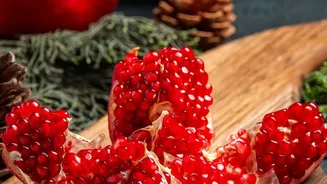
Pomegranate arils are a culinary gem in India, used to add a pop of colour, a burst of juicy texture, and a sweet-tart flavour to a wide array of dishes. In North Indian cuisine, they are a classic garnish for chaats, salads, and dahi vada, and are essential in 'Anardana Raita', a cooling yogurt dish. Dried pomegranate seeds, known as 'anardana', are ground into a powder and used as a souring agent in chutneys and curries. Even the peel, often discarded, can be dried and powdered to add a tangy note to spice blends or brewed into herbal teas. In South India, the fruit finds its way into pachadi (a type of raita) and refreshing drinks. From sweet dishes like halwa and burfi to savoury curries, the pomegranate's versatility is truly endless.