








The Rise of the Planner-Tourist
A new report from travel platform Skyscanner highlights a major shift in how Indians are approaching their holidays. According to their India Culture Travel Index, 40% of travellers now begin planning their trips three to six months ahead of time. This
isn't just about booking flights early to save money; it's a reflection of a deeper change in travel philosophy. The destination is no longer just a place, but an experience. And for a growing number of people, that experience is centred around India's vast cultural and historical landscape. The data shows that culture-led travel is booming, with 67% of Indians planning holidays specifically around heritage sites, festivals, and local cuisine.
Beyond a Simple Vacation
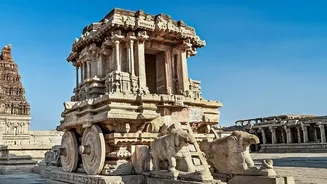
This trend marks a move away from conventional sightseeing towards a quest for more immersive and authentic encounters. Instead of choosing a destination first and discovering its culture upon arrival, many are now starting with the experience they want and building a trip around it. Whether it's witnessing the grandeur of Durga Puja in Kolkata, exploring the ancient ruins of Hampi, or participating in the vibrant chaos of Lathmar Holi in Barsana, these are not trips that can be arranged on a whim. The report found that heritage is the single strongest driver, with 47% of travellers saying they would plan a trip specifically around historical sites.
The Festival Effect
Festivals, in particular, have become powerful magnets for tourism. A staggering 72% of Indian travellers say they would consider planning a trip specifically to attend a major cultural or religious festival. Events like Durga Puja, Ganesh Chaturthi, and Navratri Garba are top of the list for many. This requires careful logistical planning, as accommodations and transport can be booked out months, if not a year, in advance. The desire to be part of these unique, once-a-year experiences is so strong that it's reshaping travel calendars and driving demand to specific regions at specific times. This interest also extends to international cultural events, with 46% of Indian travellers having already travelled abroad for a festival or heritage trail.
The Practicality of Planning
While the motivation is cultural, the execution is purely practical. For many of these sought-after experiences, advance planning is a necessity, not a choice. Another 36% of travellers start their planning one to three months before their departure date. This foresight allows them to secure tickets for travel, book desirable accommodation that might be limited in smaller towns, and ensure they get the best possible prices. According to the Skyscanner report, festival timing has become a huge booking consideration, with 36% stating that availability during key festival dates is the most important factor, followed by affordable prices for transport and accommodation at 32%. This 'smarter planning' demonstrates a traveller who is not only culturally curious but also savvy and intentional.
A New Chapter in Indian Travel
This movement towards planned, culture-centric travel signifies a maturing Indian travel market. It's no longer just about escaping daily life; it's about enriching it. This trend also sees travellers venturing beyond the usual metro circuits, with a quarter of them heading to Tier 2 and Tier 3 cities for cultural experiences. As disposable incomes rise and a desire for authenticity grows, travellers are seeking to connect with local life more directly. This shift benefits regional tourism and encourages the preservation of local traditions, crafts, and heritage sites across the country, painting a vibrant picture of the future of domestic travel.