




The Real Bulk-Buying Equation
The allure of a lower price per unit is strong, but it's only one part of the story. True savings come from a simple formula: cost per unit versus how quickly you will use the item before it loses quality or spoils. Buying a five-kilogram bag of a speciality
flour you use once a year is not savings; it's just future food waste. Conversely, a large pack of basmati rice or toor dal that your family consumes weekly is a clear win. Before you put any bulk item in your cart, you must be honest about your household's consumption habits. A bargain is only a bargain if you use all of it.
Your Pantry's Bulk All-Stars
Certain ingredients are practically designed for bulk buying, especially in a kitchen where Indian cooking is frequent. These items have a long shelf life and form the backbone of countless meals. Think of essentials like white rice (basmati, sona masuri), which can last indefinitely if stored correctly. Lentils and dried beans, such as chana, moong, and kidney beans, are also excellent candidates, lasting for years. Whole wheat flour (atta) and other grains like oats are staples that are often used daily, justifying larger bags. Finally, fats like ghee and certain cooking oils, and sweeteners like sugar and jaggery, have a very stable shelf life, making them smart bulk buys for a busy kitchen.
The 'Buy Small and Fresh' Brigade
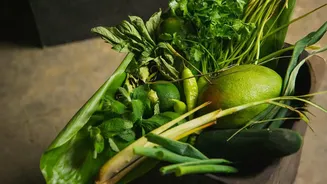
Not every ingredient is a candidate for bulk purchase. In fact, buying large quantities of some items is a surefire way to waste money and flavour. Ground spices are a major culprit. While whole spices can last for three to four years, ground spices like turmeric, coriander, and chili powder start losing their potency and aroma much faster, often within a year. It's better to buy smaller packs of ground spices more frequently to ensure your dishes are vibrant and flavourful. Other items to buy small include nuts and seeds, which can go rancid due to their high oil content, and leavening agents like baking powder, which lose their effectiveness over time. Unless you are feeding a crowd, most fresh produce should also be bought as needed to avoid spoilage.
Mastering the Art of Storage
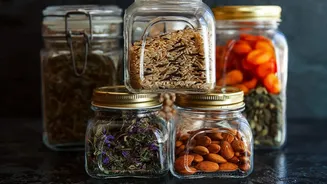
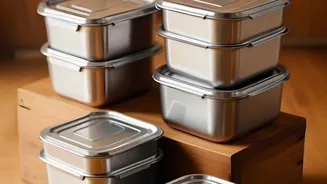
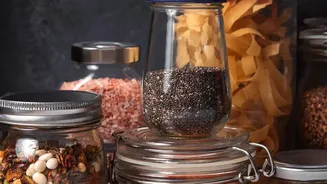
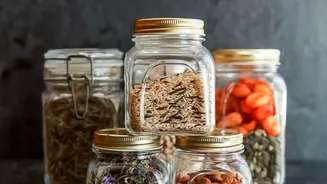
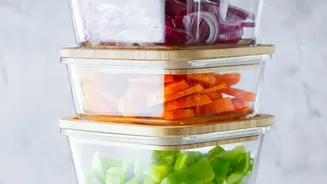
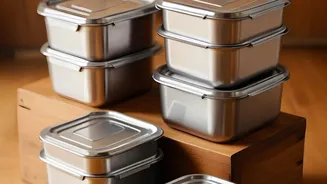
Your bulk-buying strategy is only as good as your storage system. The primary enemies of your dry goods are oxygen, light, humidity, and heat. To protect your investment, transfer bulk items from their original paper or plastic bags into airtight containers. Glass jars or dedicated plastic food storage containers work well for items you access often. For long-term storage of grains and flours, options like Mylar bags or large food-grade buckets are excellent. Store these containers in a cool, dark place away from the stove or sunny windows. A well-organized pantry where you can see what you have prevents you from buying duplicates and ensures older items are used first.