




The 'What' Before The 'Where'
Think about how your parents planned a holiday. It likely started with a destination: Shimla, Goa, Ooty. The itinerary was built around the place. Today, for a growing number of young Indians, the conversation starts differently. It’s not, “Where should
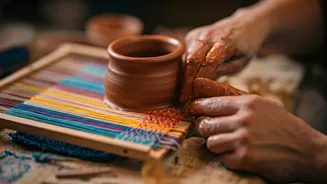
we go?” but rather, “I want to learn how to surf.” Or, “Let’s find a good pottery workshop.” The destination becomes secondary—a vessel for the experience. The search is for the best surfing school, which might be in Varkala, Kovalam, or even the Andamans. The decision is activity-led. This fundamental shift from destination-first to experience-first travel marks a new era in Indian tourism, driven by a generation that values doing over just seeing.
Drivers of the Experiential Shift
So, what’s behind this change? It’s a cocktail of factors. Firstly, the digital age has exposed everyone to a world of possibilities beyond the usual tourist trails. Your Instagram feed isn't just full of friends at the Taj Mahal; it’s also showing them at a silent meditation retreat in Dharamshala or a paragliding course in Bir Billing. This creates ‘experience envy’ rather than just ‘destination envy’. Secondly, there’s a post-pandemic hunger for meaning and personal growth. After years of being cooped up, many are seeking trips that offer more than just relaxation; they want to learn a skill, conquer a fear, or connect with a passion. Finally, disposable income and the rise of the creator economy have turned hobbies into legitimate travel goals. A passion for food, photography, or fitness can now be the central pillar of a vacation.
From Treks to Tastings
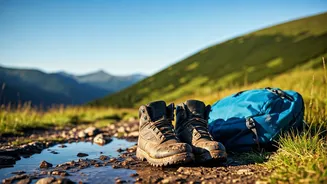
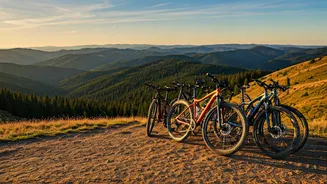
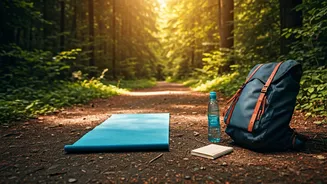
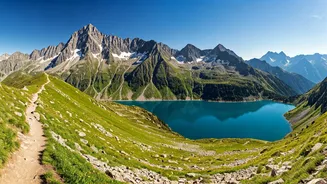
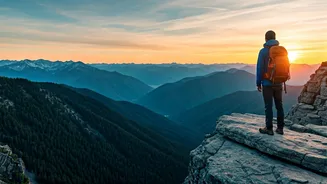
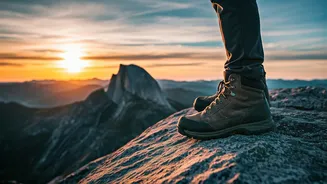
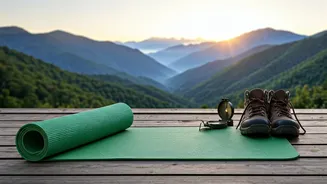
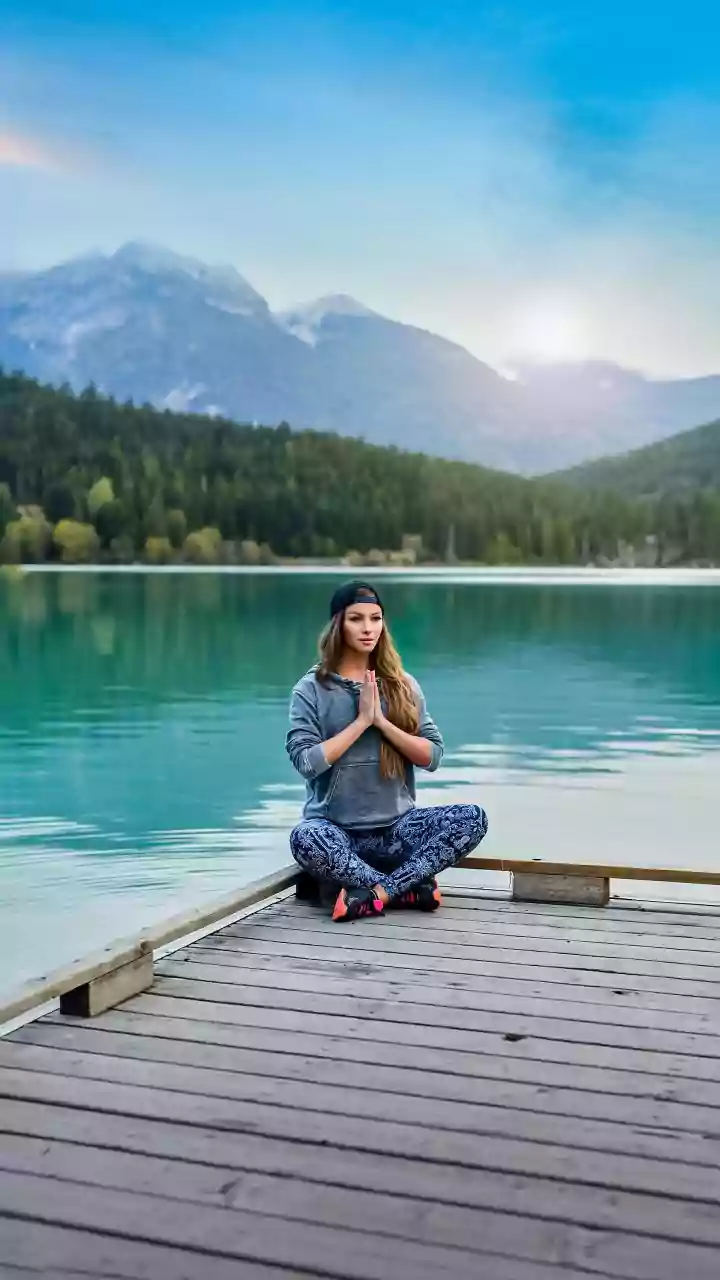
The range of these activity-first trips is vast. On one end, you have the adrenaline junkies planning entire trips around scaling a specific Himalayan peak, getting a scuba certification in the Andamans, or joining a multi-day motorcycle tour through Ladakh. The goal is the challenge and the thrill. On the other end, there's a surge in wellness and skill-based travel. This includes week-long yoga and Ayurveda immersions in Kerala, culinary tours through Rajasthan focusing on local cuisine, or attending a niche music festival like Ziro in Arunachal Pradesh. It’s not just about escaping work; it's about engaging with the world in a more hands-on, memorable way. These travellers are not just tourists; they are temporary students, adventurers, artists, and explorers.
More Than Just a Photo Op
It’s easy to dismiss this trend as being driven solely by the desire for unique social media content. While a stunning photo of you summiting a mountain is a great perk, the motivation runs deeper. This is a shift from collecting souvenirs to collecting stories and skills. The photo is proof of the experience, not the experience itself. Unlike a passive sightseeing trip, an activity-led vacation often involves overcoming a challenge, working with a team, or learning from a local expert. The memories forged are more visceral and personal. You don’t just remember seeing the beach; you remember the feeling of catching your first wave. This focus on personal narrative is what makes the experience more valuable than a simple checkmark on a travel bucket list.
How the Travel Industry Is Adapting
The travel industry, from large aggregators to small local operators, is taking notice. Hotels are no longer just selling rooms; they're offering curated packages that include pottery classes, farm-to-table dining experiences, or guided nature walks. Travel companies are building itineraries around themes like ‘adventure’, ‘wellness’, or ‘culture’, with the destination tailored to fit. Homestays and boutique properties are thriving by offering authentic, localised experiences that larger chains can’t replicate. This has also empowered local artisans, guides, and instructors, who are now central to the travel product. The entire ecosystem is reorienting itself to cater to travellers who arrive with a purpose, not just a map.