

The Science Behind the Iron Boost
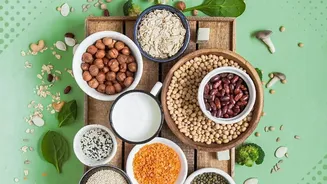
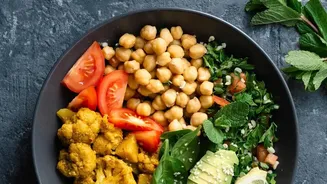
Plant-based foods like lentils, chickpeas, spinach, and beans are packed with a form of iron called non-heme iron. While abundant, this type of iron is notoriously difficult for our bodies to absorb. It's often locked up by compounds called phytates and polyphenols,
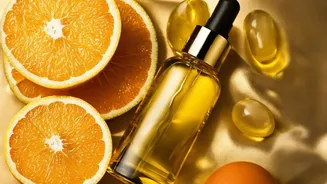
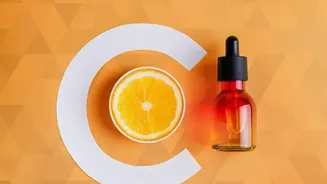
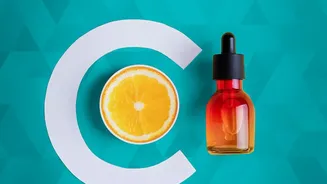
which are naturally present in grains, legumes, and even tea and coffee. This is where Vitamin C, or ascorbic acid, works its magic. When consumed in the same meal, Vitamin C acts like a key, unlocking non-heme iron. It achieves this by converting the iron from its hard-to-absorb ferric form (Fe3+) into the much more bioavailable ferrous form (Fe2+). Studies have shown this effect is incredibly potent, with some research suggesting it can increase iron absorption by up to four times. So the headline's claim of 'doubling' absorption is not just possible, but potentially an understatement depending on the meal.
The Protein Connection: A Clarification
The headline also mentions protein, which requires a bit of clarification. While Vitamin C is a powerhouse for iron, its relationship with protein is different. Current science does not show that Vitamin C directly increases the absorption of dietary protein from foods like dal or tofu. Your digestive system is already highly efficient at breaking down and absorbing protein on its own. However, Vitamin C is absolutely essential for protein synthesis within the body—specifically for building collagen. Collagen is the most abundant protein in our bodies, forming the structure for our skin, bones, and connective tissues. Without adequate Vitamin C, your body cannot produce its own collagen effectively. So, while it won't help you absorb more protein from your meal, it is a critical partner for using amino acids to build and repair vital tissues.
Your Everyday Vitamin C Toolkit
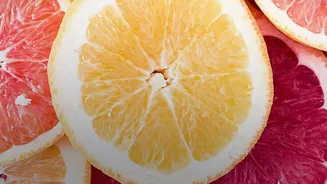
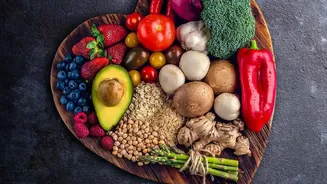
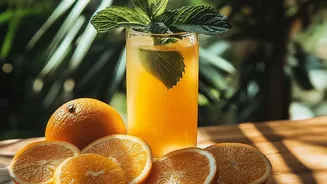
Integrating more Vitamin C into your diet is simple and delicious. You don't need expensive supplements; whole foods are incredibly effective. India is blessed with a variety of affordable, Vitamin C-rich produce. Some of the top sources include amla (Indian gooseberry), guavas, oranges, lemons, and sweet limes. Beyond fruits, vegetables like bell peppers (especially red and yellow), tomatoes, broccoli, and dark leafy greens are also excellent sources. Just half a bell pepper or a single large orange can provide more than enough Vitamin C to significantly enhance iron absorption in a meal.
Simple Meal Hacks for Maximum Absorption
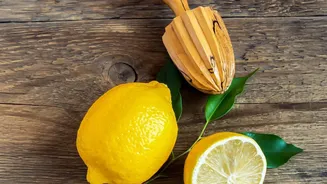
Putting this knowledge into practice is the easiest part. The goal is to simply pair your iron source with a Vitamin C source in the same meal. Here are some practical ideas tailored for Indian kitchens: Squeeze Lemon Generously: Add a fresh squeeze of lemon or lime juice over your dal, sabzi, poha, or lentil soup just before serving. Pair with a Side Salad: Serve a simple kachumber salad (chopped tomatoes, onions, cucumber) with your main meals of rajma-chawal or chana masala. Add Bell Peppers to Everything: Toss colourful chopped bell peppers into your paneer or tofu bhurji, stir-fries, and vegetable pulao. Blend it In: Make a green smoothie with spinach (iron) and add a whole orange or some amla (Vitamin C) for a nutrient-packed breakfast. * Smart Snacking: A handful of nuts and seeds with a side of orange or guava makes for an iron-and-vitamin-C-rich snack.
Watch Out for Nutrient Blockers
Just as Vitamin C enhances absorption, other common substances can block it. The main culprits are tannins found in tea and coffee, and calcium from dairy products. These compounds can interfere with the absorption of non-heme iron. Having a cup of chai or coffee right with your iron-rich breakfast of poha or dalia can significantly reduce the amount of iron your body actually gets. Similarly, a large glass of milk or a bowl of yogurt with your main meal can also hinder absorption. To maximize your iron intake, try to consume your tea, coffee, and dairy products at least an hour before or two hours after your main iron-rich meals.