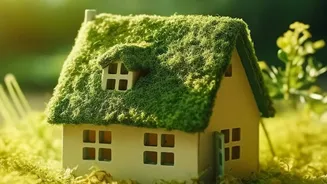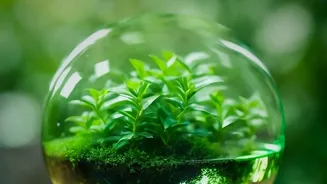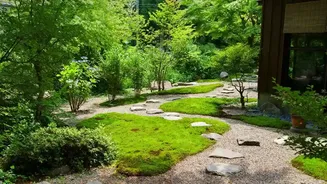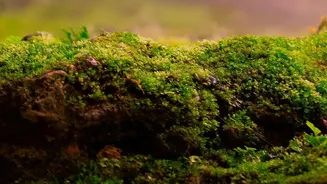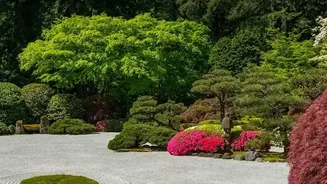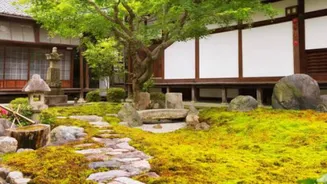


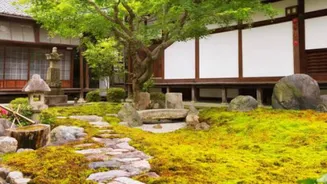
Creating a lush, tranquil moss garden brings a miniature piece of the forest into your home. It’s a rewarding and surprisingly low-maintenance project, but success starts with one crucial step: matching your moss to its environment.
First, Assess Your Space
Before you can choose
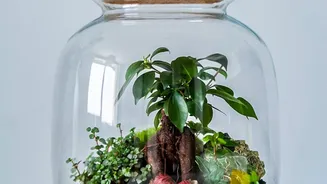
the right moss, you need to understand the microclimate where your garden will live. Will it be in a sealed glass terrarium with high humidity, or an open dish in a drier room? Observe the light throughout the day. Most mosses prefer indirect, diffused light, like that from a north-facing window. Strong, direct sunlight can quickly scorch and dry them out. Also, consider the temperature. Mosses generally thrive in cooler household temperatures, away from heaters or drafty windows. Your answers to these questions will determine which type of moss will flourish in your care.
For High Humidity and Low Light
If you are planning a classic closed terrarium or have a naturally damp, shady spot, you have several excellent moss choices. Fern Moss (Thuidium delicatulum) offers a delicate, feathery texture that creates a lush, forest-floor look. It thrives in high humidity and loves a good misting. Sheet Moss (Hypnum species) is another popular choice, known for its ability to form a dense, even carpet of green. It is versatile and perfect for covering the soil base in a terrarium. Both these types absorb moisture through their leaves, making them ideal for enclosed, humid environments.
For Drier, Brighter Conditions
Not all moss gardens have to be sealed and damp. For open dishes or areas with more air circulation and brighter, indirect light, clumping mosses are a great option. Cushion Moss (Leucobryum glaucum), also known as Pillow Moss, forms beautiful, dense, rounded mounds. It adds wonderful texture and a rolling-hills effect to your miniature landscape. Mood Moss (Dicranum scoparium) is another clumping variety with a taller, windswept appearance. While these mosses still appreciate moisture, they are more tolerant of brief dry spells than their sheet-like cousins. They are perfect for creating sculptural arrangements in bowls or on decorative trays.
Sourcing Your Moss Ethically
Once you know what type of moss you need, the next step is to acquire it. The most sustainable option is to purchase live moss from a reputable nursery or online supplier. This ensures you get a healthy, pest_free product that is suited for indoor cultivation. While it can be tempting to forage for moss, it's crucial to do so responsibly. Never collect moss from public parks or protected lands. If you have permission to collect from private property, take only a small amount from any single patch—never more than 10%—to allow the colony to regenerate.
Preparing the Perfect Foundation
Mosses don't have traditional roots; they use tiny filaments called rhizoids just to anchor themselves. They get nutrients and water through their leaves. This means they don't need deep or nutrient_rich soil. For a terrarium, start with a base layer of pebbles for drainage, followed by a thin layer of granulated charcoal to keep things fresh. On top, add a substrate. A mix of peat moss and perlite works well, as mosses prefer a slightly acidic base. Before planting, moisten the substrate with filtered or distilled water, as tap water can sometimes contain minerals that harm the moss.
Planting and Long_Term Care
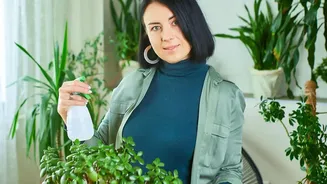
Arranging your moss garden is the most creative part. Gently press sheets or clumps of moss onto the prepared substrate, ensuring good contact. You can use small stones or driftwood to add to the naturalistic feel. After planting, mist everything thoroughly. For the first month, keep the environment consistently moist to help the moss establish itself. After that, a regular misting every few days is usually sufficient. If your moss turns brown, it might be too dry or getting too much sun. If you see fuzzy white mold, there is likely too much moisture and not enough air circulation. Simply open the lid of your terrarium for a few hours to let it breathe.