


What Is This 'Blaze Star'?
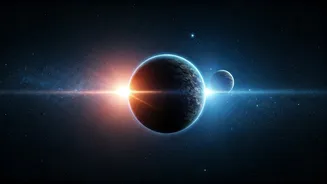
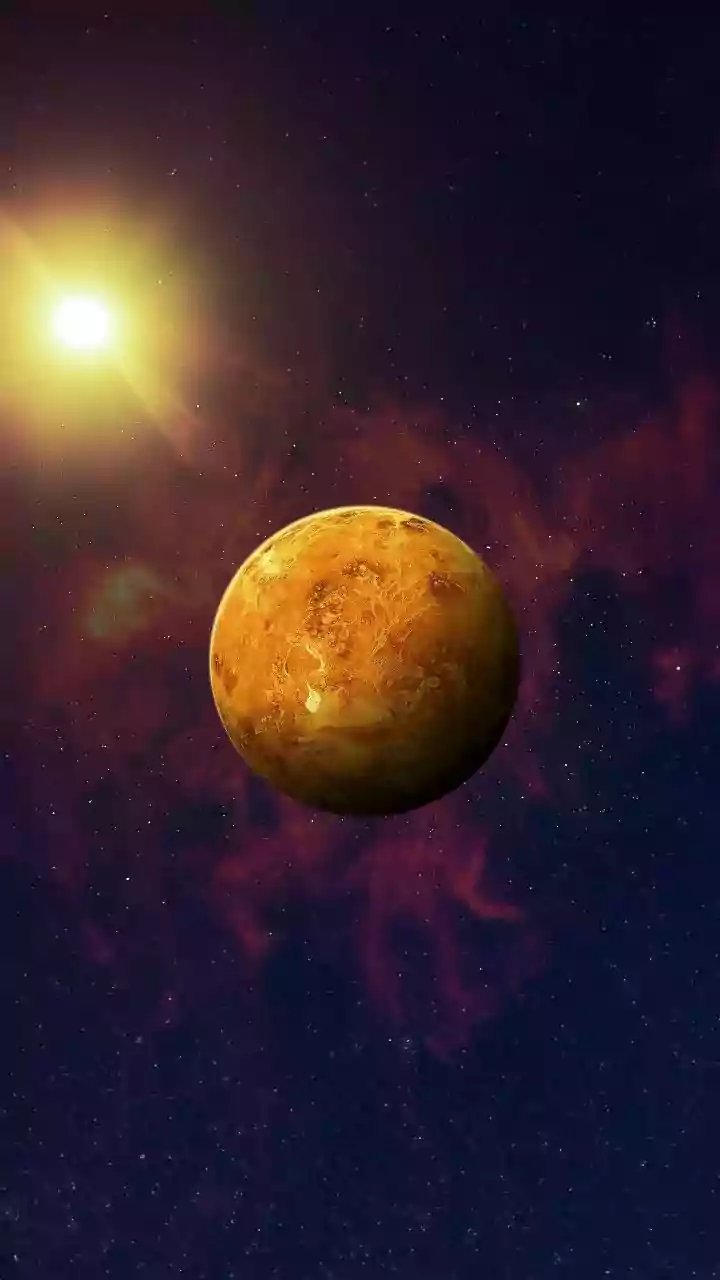
The celestial celebrity at the centre of this event is T Coronae Borealis (T CrB), a binary star system located about 3,000 light-years away from Earth. It's not actually a single star, but two stars locked in a dramatic cosmic dance. One is a red giant—an
old, bloated star that's shedding its outer layers. The other is a white dwarf—the super-dense, collapsed core of a star that was once like our Sun. Because they are so close, the white dwarf’s powerful gravity pulls hydrogen gas from the red giant onto its own surface. This system is often nicknamed the 'Blaze Star' because it periodically erupts in a brilliant flash, a phenomenon known as a recurrent nova. This isn't just any nova; it's one of only a handful of known recurrent novas in our galaxy, making it an astronomical VIP.
A Cosmic Pressure Cooker Explodes
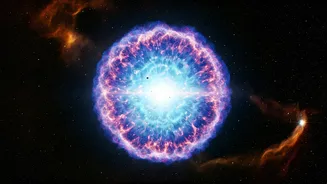
So, what causes the explosion? Think of the white dwarf as a cosmic pressure cooker. As it continuously siphons hydrogen gas from its larger companion, the gas accumulates on its surface. This layer of hydrogen gets hotter and denser over time. Eventually, the pressure and temperature at the bottom of this layer become so immense that they trigger a runaway thermonuclear explosion. This is the nova. It’s important to note that this explosion doesn't destroy the stars. It only blows off the accumulated surface material in a spectacular burst of energy and light. The whole cycle then begins again, which is why T CrB is a 'recurrent' nova. This cycle takes about 80 years, making each event a rare spectacle for sky-watchers on Earth.
When and Where to Look Up
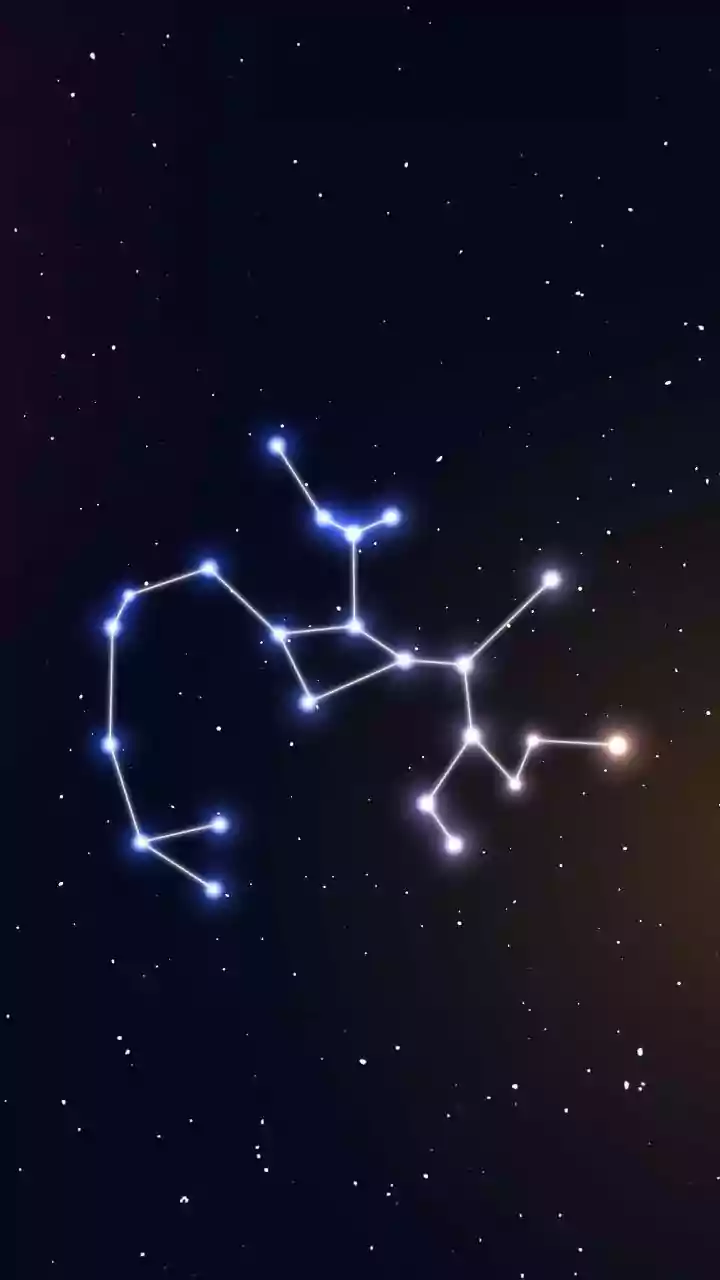
Astronomers at NASA and other institutions predict the nova will occur sometime between now and September 2024. The exact date is impossible to pinpoint, so the key is to be ready. The star will appear in the constellation Corona Borealis, or the 'Northern Crown'—a small, C-shaped arc of stars. To find it, first locate two of the brightest stars in the northern hemisphere's summer sky: Arcturus (in the constellation Boötes) and Vega (in the constellation Lyra). The Northern Crown is situated in the patch of sky between them. When the nova erupts, T CrB will suddenly jump from being too faint to see with the naked eye (magnitude +10) to a brilliant magnitude +2. This will make it roughly as bright as Polaris, the North Star, and it will be visible as a 'new' star in that C-shaped constellation.
How to Best Witness the Nova
The best part about this event is its accessibility. You won't need an expensive telescope or professional equipment. Once the nova occurs, it should be visible to the naked eye for several days and with binoculars for about a week before it fades back into obscurity. To get the best view, find a location away from city lights. Give your eyes at least 15-20 minutes to adjust to the darkness. You can use a stargazing app on your smartphone (like Stellarium or SkyView) to help you locate the Corona Borealis constellation ahead of time. When the news breaks that the nova has happened, you'll know exactly where to look for the bright, temporary visitor that has joined the familiar pattern of the Northern Crown.
A Once-in-a-Generation Spectacle
This isn't just another meteor shower. The last time T Coronae Borealis erupted was in 1946. Before that, it was in 1866. Witnessing this nova is a chance to connect with a celestial rhythm that spans human generations. People who saw it as children after World War II are now in their 80s and 90s. For most of us, this will be the only time in our lives we get to see this particular star system explode. It's a powerful reminder of the dynamic and ever-changing universe we inhabit. When you look up at that 'new' star, you're not just seeing an astronomical event; you're participating in a rare moment of cosmic history shared by a select few generations.