





The Golden Spice: Turmeric
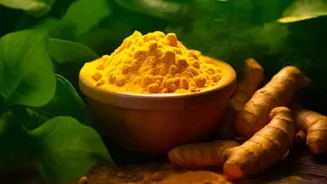
A staple in every Indian kitchen, turmeric (haldi) is a powerhouse during the monsoon. Its active compound, curcumin, has powerful anti-inflammatory and antioxidant properties that help fortify the immune system. During the rainy season, when the body
is more susceptible to infections, incorporating turmeric into your daily diet can help your immune cells fight off pathogens. For maximum benefit, experts recommend pairing it with a pinch of black pepper to enhance curcumin absorption. A warm glass of turmeric milk (haldi doodh) before bed is a comforting and traditional remedy, but you can also simply add it generously to your dals, soups, and vegetable stir-fries.
The Warming Root: Ginger
Ginger (adrak) is another kitchen essential that shines during the damp, cool monsoon weather. Known for its warming properties in Ayurveda, ginger helps the body adapt to the climate. It contains gingerol, a compound with significant anti-inflammatory and antioxidant effects that can soothe a sore throat, ease digestion, and help clear congestion. A hot cup of ginger tea, often brewed with honey and lemon, is not just comforting but also acts as a potent defence against common monsoon ailments like colds and flu. Adding freshly grated ginger to your meals can also trigger better digestion and help relieve an upset stomach.
Nature's Antibiotic: Garlic
Garlic (lehsun) is highly valued for its natural immune-boosting capabilities. It contains allicin, a compound known for its potent antimicrobial and antibacterial properties. Regular consumption of garlic can enhance the response of your white blood cells, making them more effective against viruses that cause the common cold and flu. During the monsoon, when bacterial infections are more common, including garlic in your cooking provides a continuous protective shield. To reap its full benefits, it is best to use crushed or chopped garlic in your curries, chutneys, and soups, as this action releases the beneficial allicin.
The Vitamin C Powerhouse: Amla
Indian Gooseberry, or amla, is one of the most impressive natural sources of Vitamin C, containing significantly more than an orange. Vitamin C is crucial for a strong immune response, and amla provides it in abundance. This is particularly important during the monsoon when the immune system can be weaker. Besides its immunity-boosting power, amla supports digestion and overall wellness. While its sour taste can be intense, you can consume it as a juice, in powdered form, or as murabba (sweet preserve) to make it more palatable while still enjoying its incredible health benefits.
Gut-Friendly Goodness: Yoghurt
The connection between gut health and immunity is significant, and fresh, homemade yoghurt (dahi) is an excellent way to support both during the monsoon. Yoghurt is a fantastic source of probiotics, the beneficial bacteria that maintain a healthy gut microbiome. A healthy gut is better equipped to fight off pathogens and prevent digestive issues that are common in the rainy season. Ayurveda suggests that it's best to consume fresh curd during the daytime. You can enjoy it as a simple side dish, blend it into a lassi, or use it as a base for raita with light spices.
Light and Nourishing: Moong Dal
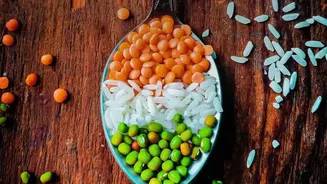
During monsoon, the digestive system (or 'Agni' in Ayurveda) is considered to be weaker, making it important to favour foods that are light and easy to digest. Moong dal fits this description perfectly. It is lighter than many other lentils and provides high-quality plant protein. A warm bowl of khichdi, made with moong dal and rice and seasoned with digestive spices like cumin, ginger, and turmeric, is a classic monsoon comfort meal. It’s a balanced, one-pot dish that nourishes the body without overburdening your digestion.
Seasonal Fruits: Jamun and Pomegranate
While it is wise to be cautious about raw foods, certain seasonal fruits are highly recommended. Jamun, a quintessential monsoon fruit, is rich in iron, potassium, folate, and vitamins. Pomegranates are another excellent choice, packed with Vitamin C and powerful antioxidants that protect cells from damage. These fruits help boost immunity and aid in digestion. The key is to ensure they are washed thoroughly and consumed fresh. Avoid pre-cut fruits from street vendors to minimize the risk of water-borne infections.