







The Old Bottleneck: Manual Endorsements
For decades, the final phase of admissions, especially for technical courses, was plagued by a cumbersome process known as manual endorsement or physical verification. After a student was provisionally allotted a seat in a counselling round, they were
often required to physically travel to a designated reporting centre or the college itself. There, an official would manually check their original documents, stamp papers, and provide a signed endorsement to confirm their admission. This created a significant bottleneck. A single student might be holding offers from multiple institutions, and each confirmation required a physical presence, original documents, and an official's signature. This system was not just slow; it was geographically limiting and expensive for students who had to travel across cities or states simply to accept or withdraw from a seat.
Why Paperwork Caused Logjams
The manual system was a recipe for delays, especially during the crucial last-minute or 'spot' admission rounds. When a student decided to withdraw their admission from a college, that seat would not become available for the next person on the waitlist until the physical paperwork was processed. An official had to formally cancel the original endorsement, making the seat officially vacant. Only then could it be re-allocated. In the final hours of admission deadlines, this created chaos. Seats that were technically vacant remained locked in administrative limbo, unavailable to other deserving candidates. The process was entirely dependent on the physical presence of both students and administrative staff, leading to long queues, lost opportunities, and immense stress for applicants hoping for a last-minute opening.
Enter the Digital Solution
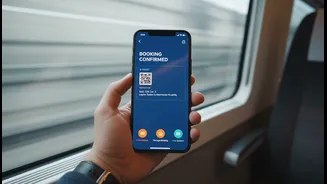
Regulatory bodies like the All India Council for Technical Education (AICTE) recognized this inefficiency and pushed for a digital transformation. The 'eradication of manual endorsements' refers to the shift from physical, in-person verification to a centralized, online system. Today, instead of travelling to colleges, students can accept, withdraw, or float their allotted seat through a common online portal. Document verification is increasingly handled digitally, either by uploading scanned copies to the portal or through integration with national digital lockers. Confirmation is done via OTPs and digital signatures. This move aligns with a broader trend in Indian higher education towards a more flexible, technology-driven approach, as seen with the introduction of common entrance tests and biannual admissions.
How Digitisation Accelerates Allocations
The impact of this digital shift on speed is immediate and transformative. When a student withdraws from a seat online, the system updates in real-time. The vacant seat is instantly returned to the central pool and becomes available for allocation in the very next micro-round of counselling. There is no lag time waiting for a file to move or a signature to be processed. Automated systems can run multiple allocation rounds in a single day, something that was impossible with a manual process. This dramatically increases the velocity of seat allocation. A seat that becomes vacant in one part of the country can be filled by a student in another part within minutes, ensuring that waitlisted candidates get a fair and timely shot at admissions right up to the final deadline.
What This Means For Students
For students and their families, this change is a massive relief. It significantly reduces the financial and logistical burden of travel for admissions. More importantly, it enhances transparency and equity. The system is no longer opaque; students can track the status of seats and their position on the waitlist through a live portal. The speed of the digital process means more rounds of allocation can be conducted, giving more waitlisted students a chance to secure a berth. It minimizes the possibility of seats remaining vacant in colleges simply due to administrative delays, a situation that benefits both institutions and applicants. By replacing the manual signature with a digital click, the system has become more responsive, efficient, and, ultimately, more student-friendly.