
Let the Heirloom Take the Lead
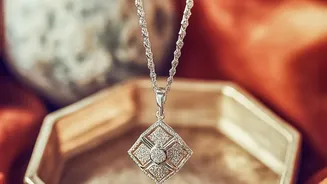
The first rule of styling with a sentimental piece is to let it be the star. Whether it's your grandmother's pearl necklace or your mother's diamond earrings, that item should be the focal point of your accessory plan. Every other piece of jewellery you choose
should serve a supporting role. If your heirloom is a statement necklace, opt for simple, delicate earrings like studs or small drops. Conversely, if you're wearing ornate family earrings, consider forgoing a necklace entirely or choosing a whisper-thin chain that won't compete for attention. This 'less is more' approach ensures your heirloom gets the spotlight it deserves while maintaining a balanced and elegant look.
Master the Art of Mixing Metals
The old rule about never mixing gold and silver is long gone. Today, mixing metals is a sign of confident style, but it requires a thoughtful approach. The key is to make the mix look intentional. A good guideline is the 70/30 rule: let one metal be dominant (about 70% of your pieces) and use the other as an accent (30%). For example, if your heirloom is a yellow gold locket, make yellow gold your primary metal and add a few complementary silver or platinum pieces. To create a cohesive look, try to have each metal appear at least twice. For instance, if your engagement ring is white gold, you could pair it with new white gold earrings to balance a vintage yellow gold bracelet. A two-tone piece can also act as a 'bridge' to seamlessly tie different metals together.
Consider Your Dress and Hairstyle
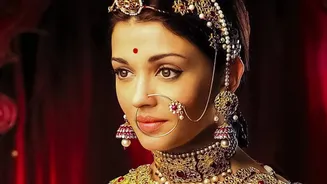
Your jewellery doesn't exist in a vacuum; it interacts with your dress and hair. The neckline of your gown is the most important factor. A V-neck dress naturally draws the eye downward, making it a perfect frame for a pendant. A strapless or sweetheart neckline offers a blank canvas for a statement necklace, while a high-neck gown often means you should skip a necklace and focus on earrings. Your hairstyle also plays a crucial role. An updo beautifully showcases chandelier or drop earrings, while wearing your hair down might call for simpler studs that won't get tangled or lost. Always try on your jewellery with your dress and with your hair styled similarly to how you'll wear it on the day.
Harmonise Styles and Eras
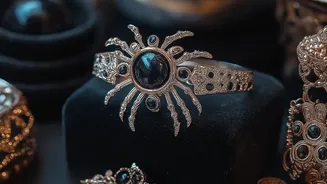
Mixing vintage heirlooms with modern pieces creates a look with depth and personality. The trick is to find a common thread that ties them together. This could be a shared gemstone, a similar shape, or a consistent design motif. For example, if your heirloom is a floral brooch from the Art Nouveau period, you could echo that organic feel with modern, nature-inspired earrings. If your grandmother's ring has a distinct geometric Art Deco design, look for new pieces with clean, modern lines that complement its structure. You don't need to match styles perfectly; the goal is harmony, not uniformity. The contrast between old and new is what makes the combination so visually interesting.
Don't Be Afraid to Reimagine
What if an heirloom's style truly doesn't align with your vision? You have options beyond simply wearing it as-is. Many jewellers specialise in redesigning heirloom pieces. You could have the gemstones from a dated ring reset into a modern pendant or pair of earrings. A vintage brooch could be pinned to your bouquet or woven into your sash, and fabric from a family wedding gown can be repurposed as a bouquet wrap. This approach allows you to preserve the sentimental value while creating something that feels authentically you. It's a sustainable choice that honours the past while celebrating your future.