






First, What Is a Ramsar Site?
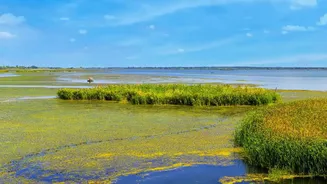
A Ramsar site is a wetland designated as being of international importance under the Ramsar Convention. This global treaty, signed in Ramsar, Iran, in 1971, provides a framework for the conservation and 'wise use' of wetlands and their resources. The
term 'wetland' is defined very broadly, including not just marshes and lakes, but also rivers, estuaries, mangroves, coral reefs, and even human-made sites like reservoirs and irrigation tanks. To be designated, a site must meet at least one of nine criteria, such as supporting vulnerable species, hosting significant numbers of waterbirds, or being a rare example of a natural wetland type.
India's Growing Network of Wetlands
In recent years, India has been proactive in adding to its list of protected wetlands. The country has designated numerous sites, bringing its total to 103 as of October 2026. Recent additions in early 2024 included five new sites: three in Karnataka and two in Tamil Nadu. These sites are incredibly diverse. For example, the Aghanashini Estuary in Karnataka is a pristine, biologically rich landscape where a river meets the sea, supporting local fishing and traditional agriculture. In contrast, the Magadi Kere Conservation Reserve is a human-made tank that has become one of the largest wintering grounds for the bar-headed goose in southern India. Other additions like the Ankasamudra Bird Conservation Reserve and Karaivetti Bird Sanctuary are vital habitats for tens of thousands of migratory birds.
More Than Just a Title
The Ramsar designation is more than a prestigious label; it comes with tangible benefits and commitments that boost protection. Once a wetland is added to the list, it gains international recognition and prestige, which can help attract funding and technical expertise for conservation projects. The designation mandates that the government formulate and implement a management plan to ensure the 'wise use' of the wetland. This means maintaining the site's ecological character while allowing for sustainable human use that benefits local communities. This commitment provides a stronger legal and administrative framework to protect these fragile ecosystems from threats like encroachment and pollution. The status raises the profile of a site, making it a national priority and fostering a greater sense of responsibility for its preservation.
Real-World Benefits for Nature and People
Healthy wetlands provide essential ecosystem services that benefit both wildlife and human communities. They act as natural sponges, absorbing floodwaters and protecting downstream areas. They are critical for recharging groundwater, purifying water by filtering pollutants, and storing vast amounts of carbon, which helps in the fight against climate change. For local populations, these sites are often a direct source of livelihood, supporting fishing, agriculture, and the collection of natural resources. For instance, the Aghanashini estuary supports thousands of households through fishing and bivalve harvesting. Furthermore, the international recognition that comes with a Ramsar tag can spur eco-tourism, creating new economic opportunities while promoting conservation.
Challenges on the Horizon
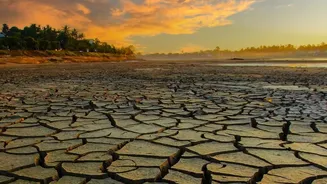
Despite the enhanced protection, Ramsar sites in India are not immune to threats. Many face persistent pressure from urbanisation, agricultural runoff containing pesticides, industrial pollution, and the spread of invasive species. The impacts of climate change, such as altered rainfall patterns, also pose a significant risk to the delicate balance of these ecosystems. Effective governance is a major hurdle; even with the Ramsar designation, ensuring that management plans are properly implemented and regulations are enforced on the ground can be difficult. For these designations to be truly effective, they require sustained political will, continuous monitoring, and the active involvement of the local communities who depend on these wetlands for their survival.