




A Head Start in History
Mumbai’s journey as the epicenter of Indian cinema began over a century ago. Dadasaheb Phalke, the 'Father of Indian Cinema,' produced India's first full-length feature film, 'Raja Harishchandra,' in 1913, laying the industry's foundation in what was
then Bombay. The city's cosmopolitan and progressive environment, compared to other regions at the time, made it a welcoming home for the nascent film industry. This historical head start created a gravitational pull; after Partition, many artists and filmmakers from the Lahore industry migrated to Bombay, further solidifying its position. Similarly, talent from Calcutta's film industry also began moving to Bombay, making it the primary center for Hindustani-language films.
The Unmatched Infrastructure
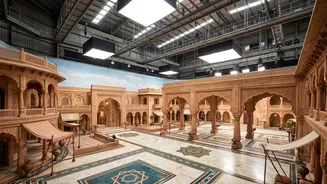
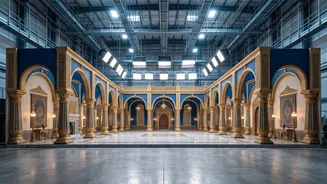
Modern filmmaking requires a massive support system, and Mumbai has it in spades. The city is home to the Dadasaheb Phalke Chitranagari, better known as Film City, a sprawling 520-acre complex in Goregaon established in 1977. This government-backed facility offers everything from sound stages and recording studios to permanent ready-made sets like villages, hospitals, and courtrooms. Beyond Film City, Mumbai has a dense network of private studios, post-production houses specializing in world-class VFX and editing, and equipment rental companies. This concentration of resources creates enormous efficiency, reducing the logistical nightmares of filmmaking and allowing productions to be mounted at a scale few other cities can match.
The Financial Engine Room
It’s no coincidence that India’s film capital is also its financial capital. Filmmaking is a high-risk, capital-intensive business, and Mumbai’s status as a commercial hub provides unparalleled access to funding. The industry was traditionally financed by a complex network of private financiers and distributors, but since gaining official 'industry status' in 2000, it has attracted more structured institutional investment from banks and private equity firms. Today, major production houses like Dharma Productions and Excel Entertainment are securing massive corporate investments, further professionalizing the financing landscape. This constant flow of capital, from traditional lenders to major corporations and now OTT platforms, is the lifeblood that keeps the cameras rolling.
A Magnet for Talent
Every year, thousands of aspiring actors, writers, directors, musicians, and technicians flock to Mumbai, driven by the dream of making it in Bollywood. This constant influx creates an immense, diverse, and readily available talent pool that is simply unmatched anywhere else in the country for Hindi cinema. Whether a director needs a superstar for a lead role or a skilled crew for a complex shoot, the talent is already there. This ecosystem is self-perpetuating: the more projects are based in Mumbai, the more talent it attracts, which in turn leads to more productions being greenlit in the city. This creates a dense network where proximity fuels collaboration, networking, and the sheer pace of the industry.
The Synergy with Other Media
Mumbai’s dominance isn’t just about films. It is also the central hub for India's massive television industry, the advertising world, and, more recently, the booming Over-The-Top (OTT) streaming platforms. This creates a powerful synergistic effect. A film star may endorse a brand in an ad shot in Andheri, appear on a reality TV show filmed in Goregaon, and lead a web series for a platform headquartered in Bandra. This interwoven media landscape ensures that the entire entertainment ecosystem—from talent agencies and casting directors to marketing firms—is concentrated in one sprawling metropolis, reinforcing Mumbai’s status as the ultimate destination for all forms of entertainment content creation.