



Lake Hauroko: The Deep and Silent Water
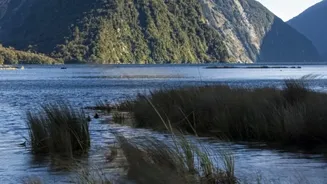
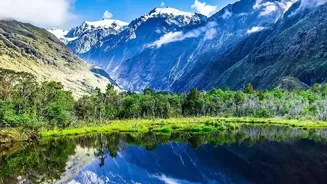
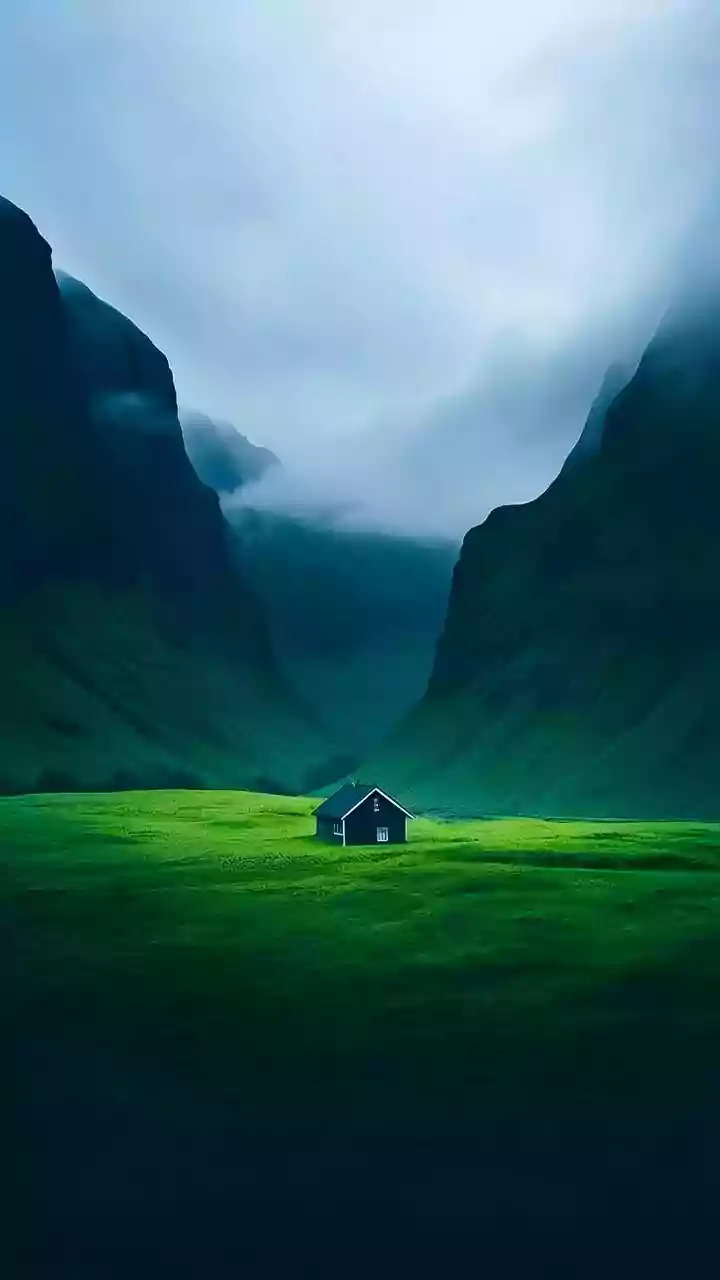
Far from the Milford Road crowds lies Lake Hauroko, New Zealand's deepest lake at 462 metres. Its name, meaning 'sounding wind', hints at the deep silence that often blankets its dark, chilly waters. This is not a place for a quick photo stop; it's a destination
for immersion. The journey to the lake, via a partially unsealed road from Tuatapere, is part of the adventure. Once there, you can explore short walking tracks around the shore or tackle a more challenging hike to a lookout for spectacular views. For a true wilderness experience, consider a jet boat trip down the Wairaurahiri River, which flows from the lake to the wild southern coast. This thrilling ride connects you to the raw, untamed edge of Fiordland, a world away from the manicured stops further north. Several operators offer transport and tours, making this remote corner accessible for those prepared to seek it out.
The Dusky Track: An Epic for the Experienced
For serious hikers, the Dusky Track is less a walk and more a pilgrimage. Often regarded as New Zealand's toughest multi-day tramp, this 84-kilometre epic is a true test of resilience and backcountry skill. It connects Lake Manapouri with Lake Hauroko, traversing three valley systems and two mountain ranges over eight to ten demanding days. This is not a casual undertaking. Hikers must navigate knee-deep mud, numerous river crossings, and 21 three-wire bridges. Flooding can cause significant delays, so carrying extra supplies and a personal locator beacon is essential. The reward for this hardship is unparalleled solitude and scenery that few ever witness, from vast, misty mountain tops to dense, primeval forest. Access is by boat at either end, a fitting start and finish to an adventure into one of the most remote sections of the park.
Borland Road and Lake Monowai: Accessible Wilderness
If the Dusky Track sounds too intense, the Borland Road and Lake Monowai area offers a taste of Fiordland's rugged interior with the convenience of vehicle access. This unsealed road, built to service a power transmission line, climbs to the 990-metre Borland Saddle, providing rare road access to Fiordland's alpine zone. The road is narrow, steep, and closed during winter, so it's best suited for 4WDs and confident drivers. From the saddle, you can embark on short walks through alpine herb fields, enjoying panoramic views over the surrounding mountains and Green Lake. Nearby Lake Monowai is a quieter alternative for boating, fishing, and camping, with family-friendly walks like the Borland Nature Walk. This area offers a genuine 'off the beaten track' feel without requiring a multi-day commitment.
Percy Burn Viaduct: A Relic in the Wilderness
Deep in the southern part of Fiordland, history and nature intertwine at the Percy Burn Viaduct. Reputedly one of the world's largest surviving wooden trestle bridges, this impressive structure stands 36 metres high and stretches 125 metres across a forested gorge. It was built in the 1920s for a logging tramway to service the since-abandoned Port Craig sawmill. Today, it is a highlight of the Tuatapere Hump Ridge Track, which became one of New Zealand's Great Walks in 2024. While the viaduct itself was reported closed for safety inspections in early 2026, with walkers using a bypass, its presence remains a powerful reminder of the region's industrial past. The walk to it, through coastal forest, offers a unique journey through both natural and man-made history, showcasing a different side of Fiordland's rich heritage.