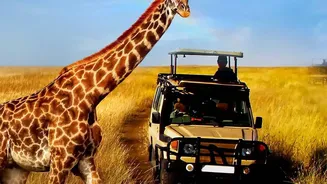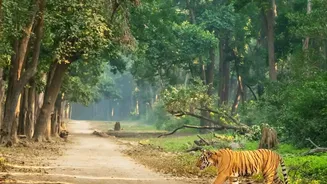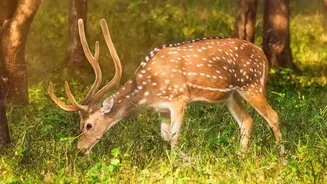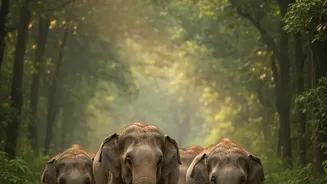




As a cool, pleasant calm settles over much of India, winter opens a magical window for wildlife enthusiasts. The crisp air and thinner foliage create perfect conditions for spotting the country's most magnificent creatures.
Ranthambore National Park, Rajasthan
Ranthambore is legendary, and
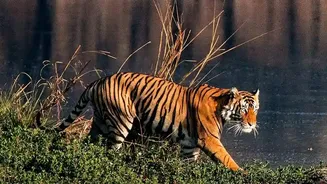
winter is arguably its most enchanting season. The pleasant daytime temperatures, ranging from 10°C to 30°C, make for comfortable safari excursions. With the monsoon's dense vegetation having receded, visibility is excellent, increasing the chances of spotting the park's famous Bengal tigers as they bask in the winter sun. The landscape, a dramatic mix of ancient forts, shimmering lakes like Padam Talao, and dry deciduous forests, offers a stunning backdrop for photography. Besides tigers, you can also spot leopards, sloth bears, and a variety of deer. The season, from October to March, is also a prime time for birdwatching, with many migratory species flocking to the park's water bodies. Given its popularity, it is crucial to book safaris well in advance, especially for the peak months of December and January.
Kaziranga National Park, Assam
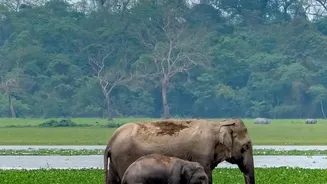
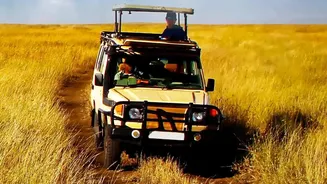
Home to two-thirds of the world's great one-horned rhinoceroses, Kaziranga is a UNESCO World Heritage Site that truly comes alive in winter. The season, from November to February, offers cool, dry weather ideal for exploring its vast grasslands and wetlands. After the monsoons, the towering elephant grass thins out, dramatically improving sightlines for spotting rhinos, elephants, wild water buffalo, and swamp deer. Animals are more active during the pleasant daylight hours, and they often gather near the receding water bodies, making sightings more predictable. Winter is also a paradise for birdwatchers, as thousands of migratory birds arrive from Central Asia, filling the wetlands with life. Both jeep and elephant safaris provide unique perspectives of this incredible ecosystem.
Jim Corbett National Park, Uttarakhand
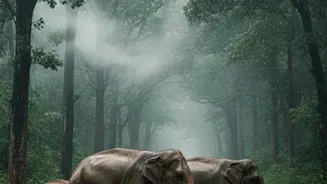
As India's oldest national park, Jim Corbett offers a classic wildlife experience set against the stunning backdrop of the Himalayan foothills. The winter months, from November to February, are considered the best time to visit, with comfortable daytime temperatures perfect for safaris. The forest's visibility improves, and the misty mornings lend a magical quality to the landscape. This season is excellent for spotting not only the elusive Bengal tiger but also large herds of Asiatic elephants. The park’s diverse terrain of hills, riverine belts, and grasslands is home to leopards, various deer species, and over 600 species of birds, making it a premier birding destination in winter. Most of the park's zones, including the popular Dhikala and Bijrani, are open during this period.
Kanha National Park, Madhya Pradesh
The sprawling meadows and dense sal forests that inspired Rudyard Kipling's 'The Jungle Book' are particularly beautiful during the winter. From October to March, the weather in Kanha is pleasant and ideal for wildlife safaris. The cooler temperatures mean animals, including tigers and leopards, are more active during the day. This park is also celebrated for its successful conservation of the Barasingha, or swamp deer, which can be seen in large herds across the grasslands. The clear, crisp winter air and golden sunlight create perfect conditions for photography, highlighting the park's stunning natural beauty. It’s an excellent time for birdwatching as well, with numerous migratory species making an appearance.
Gir National Park, Gujarat
For a truly unique wildlife experience, head to Gir National Park, the only place in the world to see Asiatic lions in their natural habitat. The winter season, from November to February, is widely considered the best time to visit, offering pleasant weather for safaris. The dry, deciduous forest provides good visibility, and the lions are often active throughout the day, increasing the chances of a memorable sighting. Besides its famous lions, Gir is also home to leopards, sambar deer, and the world's only four-horned antelope, the chowsingha. The park's rugged landscape of rocky hills and scrubland is a testament to one of India's greatest conservation success stories. Booking safari permits well in advance is essential, as the winter months are peak season.