
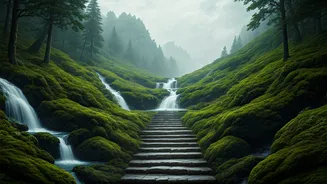


Coorg, Karnataka: The Misty Hills
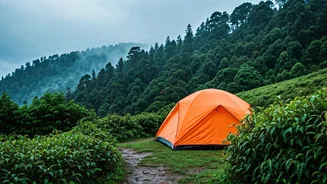
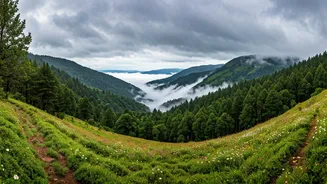
Often called the 'Scotland of India', Coorg in Karnataka transforms into a verdant paradise during the monsoon. The rolling hills, draped in coffee and spice plantations, are shrouded in a perpetual mist, creating a mystical atmosphere. Camping here means
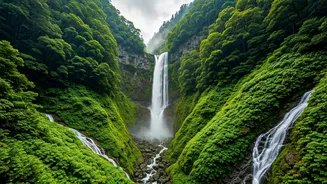
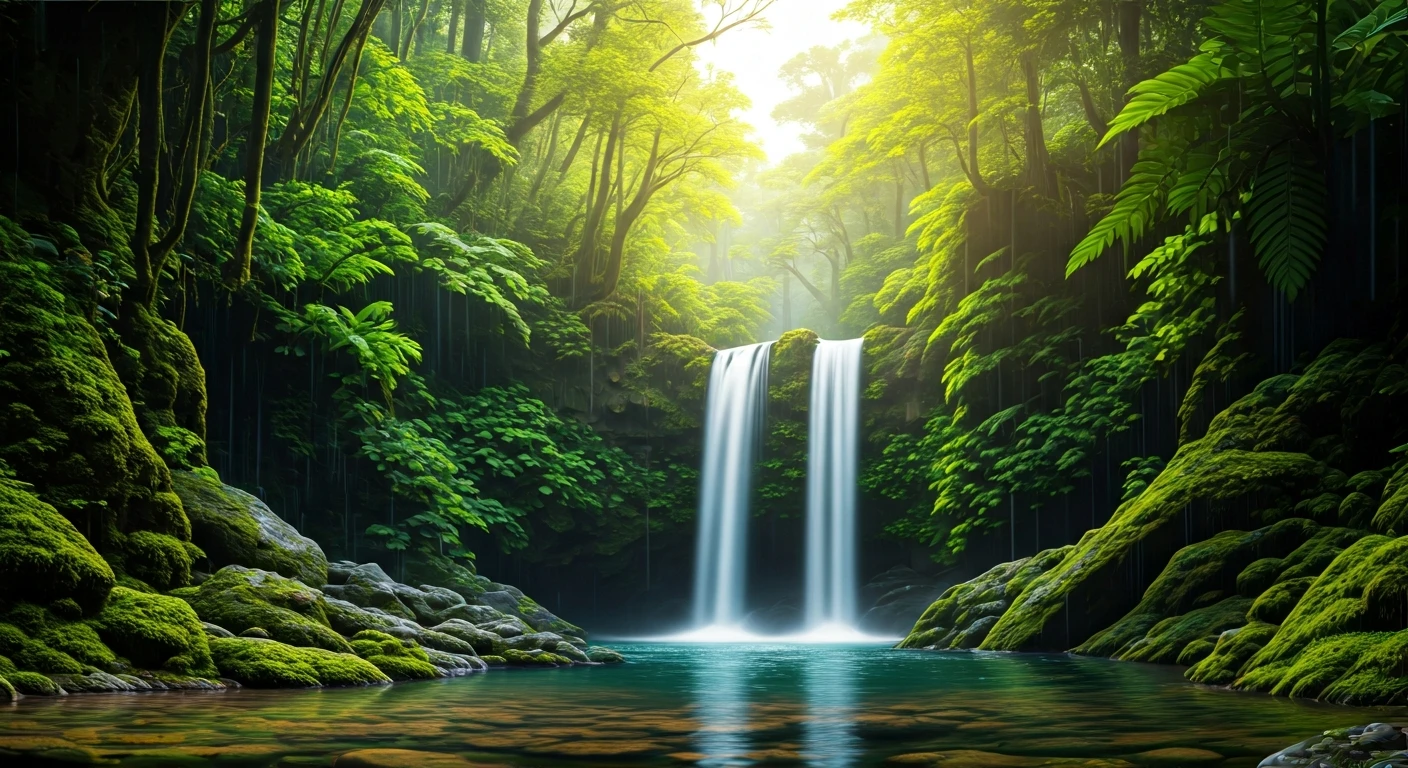
waking up to the fresh scent of wet earth and coffee blossoms. Numerous designated campsites and homestays with camping facilities are available, particularly around Madikeri and Virajpet. The waterfalls, like Abbey and Iruppu, are in their full glory. However, be prepared for leeches – a common feature of the Western Ghats in monsoon. Carrying salt or a sanitiser, and wearing leech-proof socks, is highly recommended.
Spiti Valley, Himachal Pradesh: The Rain Shadow Escape
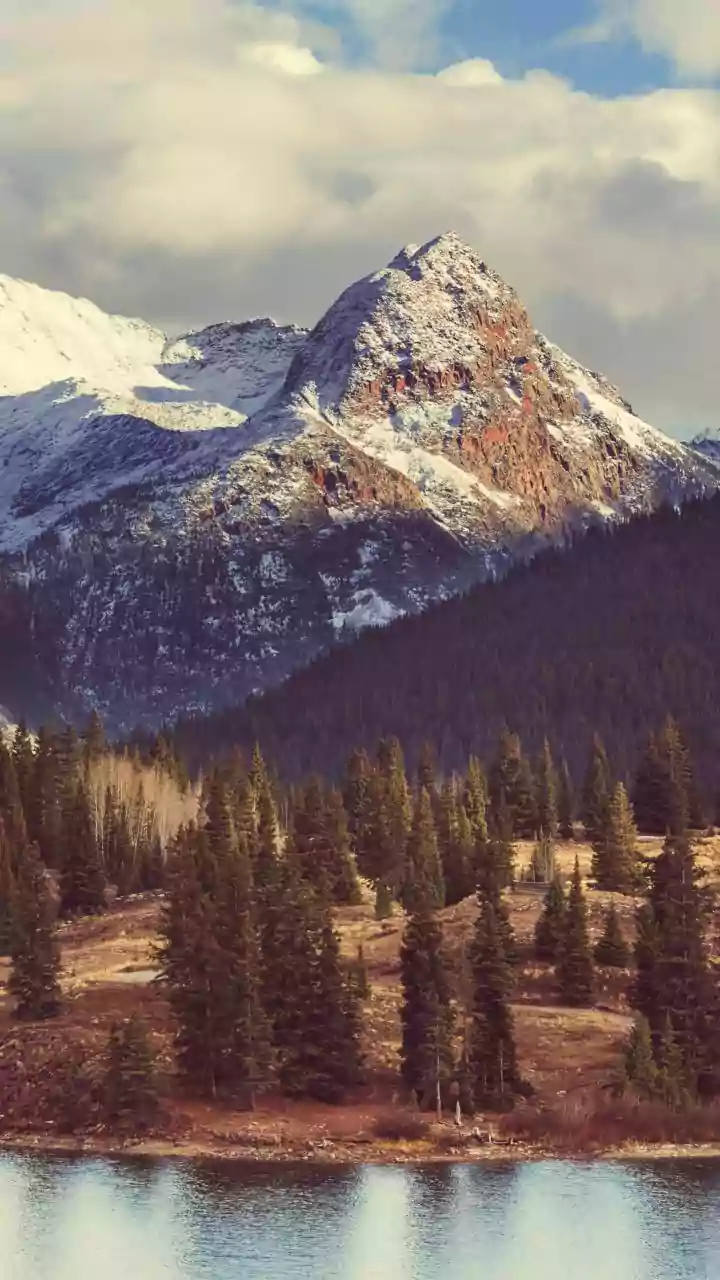
If you love the monsoon season but not the constant downpour, Spiti Valley is your answer. Located in a rain shadow area, it receives minimal rainfall, making it an ideal and safe destination for high-altitude camping from June to September. While the rest of India is drenched, Spiti offers clear blue skies, stark landscapes, and breathtaking views of barren mountains. You can camp near the stunning Chandratal Lake, also known as the 'Moon Lake', or set up base in villages like Kaza. The roads to Spiti can be challenging, so this trip is for the more seasoned traveller, but the reward is an unparalleled view of the Himalayas in their summer glory.
Bhandardara, Maharashtra: Waterfalls and Fireflies
A hidden gem in the Sahyadri mountain range, Bhandardara is a spectacular monsoon destination near Mumbai and Pune. The region is dominated by the Wilson Dam and the serene Arthur Lake, with campsites dotting its shores. During the monsoon, the entire area is lush green, and the dam overflows to create the stunning Umbrella Falls. The region is also home to the majestic Ratangad fort and the powerful Randha Falls. A unique attraction in the pre-monsoon and early monsoon period (May-June) is the mesmerising firefly festival, where thousands of fireflies illuminate the forests at night, offering a magical camping experience.
Munnar, Kerala: Tea Gardens in the Clouds
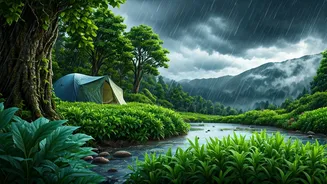
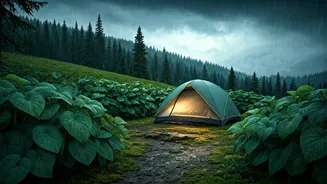
While Kerala is famous for its backwaters, the hill station of Munnar offers a different kind of monsoon magic. The endless tea plantations look even more vibrant when washed clean by the rains. Camping in Munnar during this season means you'll be sleeping amidst clouds, with the gentle sound of rain on your tent. Several eco-tourism spots and private operators offer organised camping with panoramic views of the hills and valleys. It's a photographer's dream. Do check road conditions before travelling, as heavy rains can sometimes cause closures. The lower tourist footfall also means you get to experience the tranquility of the hills without the usual crowds.
Ziro Valley, Arunachal Pradesh: A Cultural Landscape
For those seeking an offbeat adventure, Ziro Valley in Arunachal Pradesh is an exceptional choice. A UNESCO World Heritage site candidate, the valley is famous for its unique Apatani cultural landscape and paddy-cum-pisciculture system. During the monsoon, the rice paddies are a brilliant green, creating a patchwork quilt across the valley floor. The weather is pleasant, with gentle showers and misty mornings. Camping here offers not just natural beauty but also a deep cultural immersion. It's a chance to experience the serene lifestyle of the Apatani tribe against a backdrop of pine-clad hills. The period just after the heavy rains, around September, is also when the famous Ziro Festival of Music takes place.
Essential Monsoon Camping Safety
Monsoon camping requires extra preparation. Always use a high-quality waterproof tent with a rainfly that extends to the ground. Pack all your belongings in waterproof bags or double-bag them in plastic. Check the weather forecast religiously before and during your trip. Inform someone of your itinerary. Avoid camping too close to rivers or streams that can swell unexpectedly. Carry a good insect repellent, a first-aid kit with antifungal powder, and quick-drying clothes. A portable stove is a must, as finding dry firewood will be nearly impossible.