

Saturn Takes Centre Stage
October kicks off with a spectacular view of Saturn. The ringed planet reaches opposition on October 4, an event where Earth passes directly between Saturn and the Sun. This means Saturn will be at its biggest and brightest for the year, rising in the east
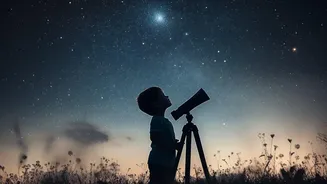
around sunset and remaining visible all night long. To the naked eye, it will appear as a steady, bright, yellowish point of light. While you'll need at least a small telescope to resolve its famous rings, its brilliance makes it an easy and rewarding target for anyone to spot. You don't need to limit your viewing to just October 4; the planet will remain an excellent object for observation throughout the month.
Jupiter's Dazzling Appearance
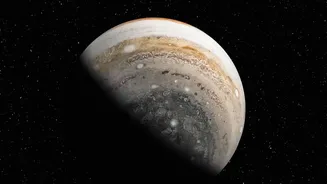
Not to be outdone, Jupiter, the king of planets, will be a brilliant beacon in the pre-dawn sky. On the morning of October 6, skywatchers are in for a special treat as a beautiful waning crescent moon passes close to Jupiter. This close pairing will be a stunning sight for early risers. For observers in some parts of the world, the Moon will actually pass in front of Jupiter, an event called a lunar occultation. Even without the occultation, seeing the Moon and the brightest planet in our solar system in such close proximity is a memorable event, easily visible without any special equipment.
The Gentle Draconid Meteor Shower
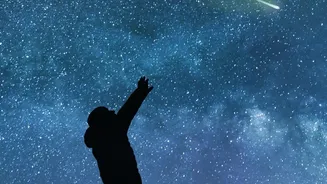
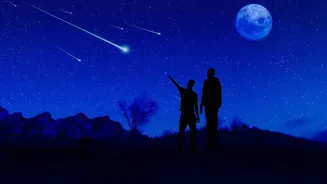
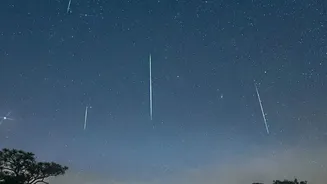
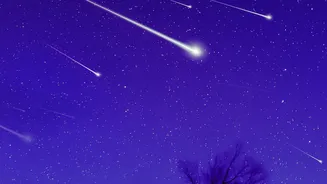
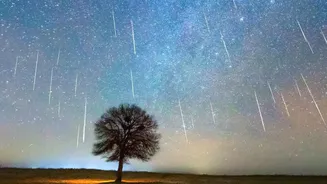
The first of two meteor showers this month is the Draconids, peaking on the night of October 8-9. Unlike many other showers that are best viewed in the early morning hours, the Draconids are best seen in the evening, just after nightfall. In 2026, viewing conditions are excellent, as the peak occurs during an almost moonless sky, making it easier to spot the fainter meteors. The Draconids are typically a modest shower, producing around 5 to 10 meteors per hour. They are known for their slow-moving meteors, and while no major outburst is predicted, the shower has been known to surprise observers in the past.
The Swift Orionid Meteor Shower
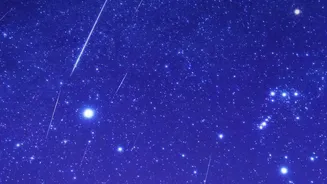
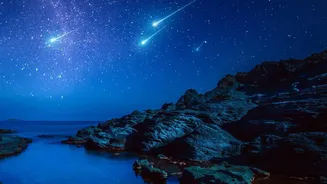
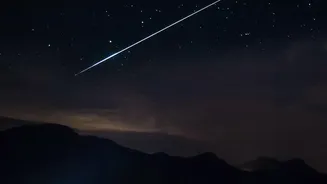
Later in the month, the Orionid meteor shower, made of debris from the famous Halley's Comet, will light up the sky. The shower peaks on the night of October 21-22. These meteors are known for being swift and can sometimes leave persistent, glowing trails. You can expect to see about 15 to 25 meteors per hour under ideal dark-sky conditions. The main challenge for 2026 is a bright waxing gibbous moon, which will be in the sky for much of the night. However, there is a silver lining: the Moon sets a few hours before dawn, providing a window of dark skies for the best viewing opportunities. So, for your best chance to see these shooting stars, set your alarm for the pre-dawn hours.
Tips for the Best Viewing Experience
To make the most of these celestial events, find a location away from bright city lights. Light pollution can wash out all but the brightest objects. Give your eyes at least 20 to 30 minutes to fully adapt to the darkness; this will help you see much fainter meteors and stars. Comfort is key, especially if you're watching a meteor shower, as they require patience. Use a reclining chair or a blanket on the ground to look up without straining your neck. Finally, put your phone away. The bright screen will ruin your night vision. This is a chance to disconnect and enjoy the natural spectacle above.