



The Two-Hour Rule and The Danger Zone
The most critical concept in food safety is the “Temperature Danger Zone,” a range between 40°F (5°C) and 140°F (60°C) where bacteria can multiply rapidly. Perishable foods like cooked meats, dairy, and rice dishes should not be left in this zone for
more than two hours. This two-hour window is your total holding time. If the ambient temperature is high, for example above 90°F (32°C) in a hot car or a non-air-conditioned train coach, that safe window shrinks to just one hour. After this point, even if the food looks and smells fine, it’s best to discard it to avoid the risk of foodborne illness.
Smart Choices for Shorter Trips (Under 4 Hours)
For journeys lasting a few hours, you have more flexibility. You can pack items that need to be kept cool, provided you use an insulated bag. Sandwiches with cooked meat, egg dishes, and simple curd rice can be safe if they are packed cold and consumed within the first few hours. The key is to start with cold food packed directly from the refrigerator into your bag just before you leave. However, if your journey extends and you don't have a proper cooler with ice packs, it’s wise to finish these perishable items first, well within the two-hour safety limit.
Packing for the Long Haul (Over 4 Hours)
When your travel extends beyond four hours without reliable refrigeration, your food choices must be shelf-stable. This is where traditional Indian travel foods excel. Items like theplas, puris, dry sabzis (without onion or excessive moisture), and various savoury snacks are designed to last. Other excellent options include whole fruits, nuts, roasted chana, crackers, and granola bars. These foods have low moisture content, which inhibits bacterial growth and makes them ideal companions for overnight or multi-day journeys.
The Right Way to Pack a Cooler
If you are travelling by car and can bring a cooler, packing it correctly is essential for extending the life of your food. A good rule of thumb is to have a two-thirds ice to one-third food ratio to keep the internal temperature at or below 40°F (4°C). Place raw meats, if any, at the very bottom in sealed containers to prevent juices from contaminating other foods. It’s a good idea to use two coolers: one for drinks and snacks that will be opened frequently, and another for perishable meal items that should be opened as little as possible. Filling empty air pockets with more ice or even a towel helps maintain the cold temperature for longer.
Foods to Avoid Packing
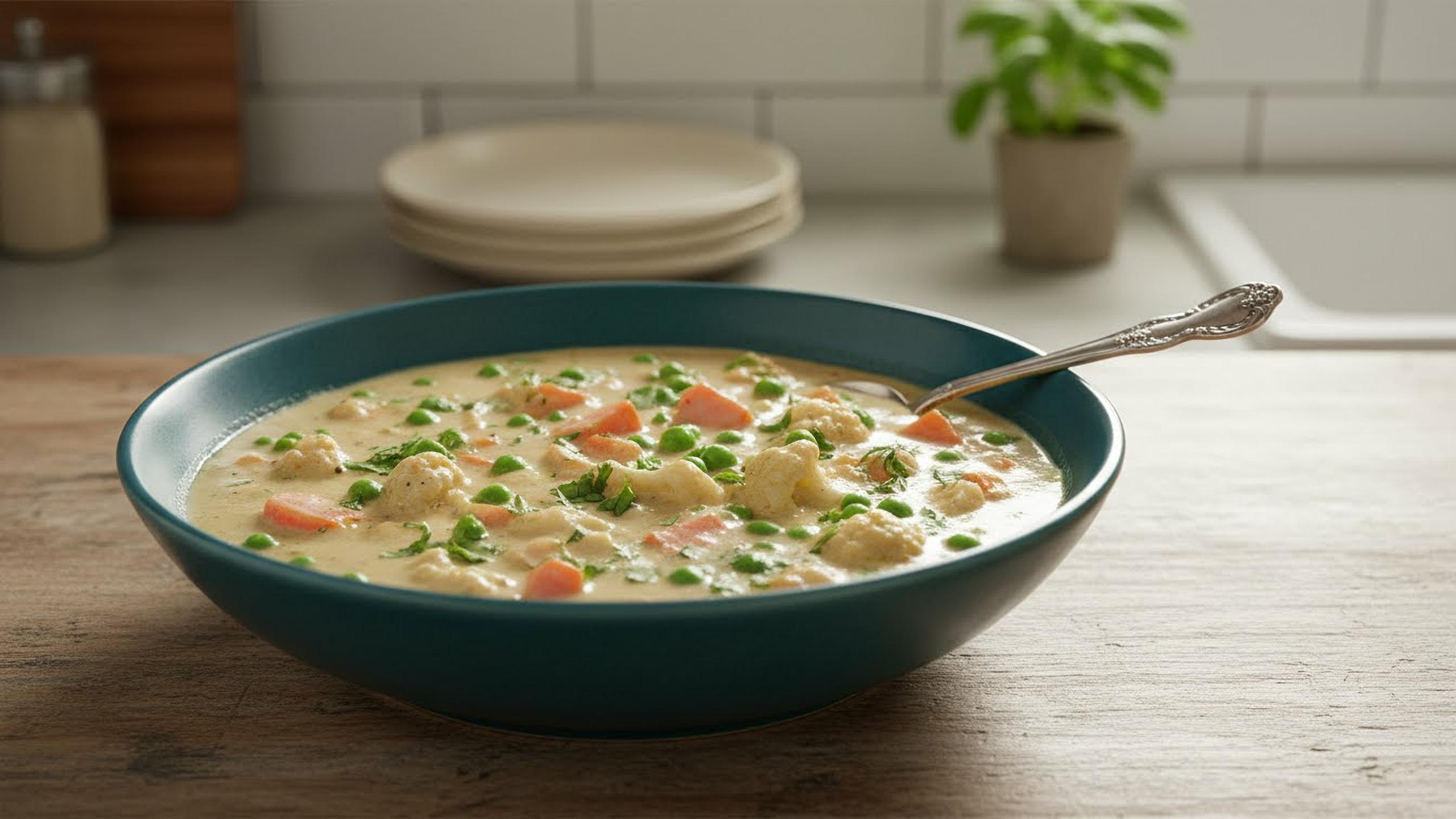
Certain foods are simply too high-risk for long journeys without proper, constant refrigeration. These include anything with creamy sauces, gravies, custards, or soft cheeses. Salads with mayonnaise-based dressings are also a poor choice. Cut fruits and vegetables lose their safety barrier and become susceptible to contamination, so it’s better to pack them whole and cut them just before eating. Avoid packing leftover food that has already been sitting out for an extended period, as its safety clock has already started ticking. When in doubt about an item's safety, the golden rule is to throw it out.