







The Unstable Foundation of Our Food
For centuries, Indian agriculture has been built on the foundation of predictable weather patterns, especially the monsoon. This stability allows farmers to plant, grow, and harvest crops within expected cycles. However, climate change is making this
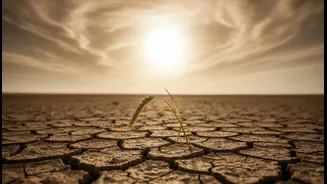
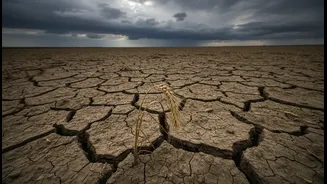
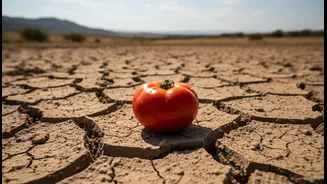
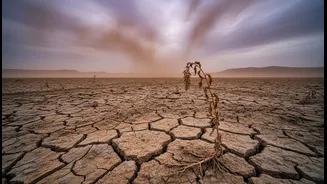
foundation increasingly shaky. More frequent and intense heatwaves, erratic rainfall, and storms are no longer rare occurrences; they are becoming the new normal, disrupting crop cycles and threatening production. This instability on the farm is the first link in a chain that leads directly to higher prices at your local market.
When Heat and Water Turn Against Crops
Kitchen staples like tomatoes, onions, and potatoes (TOP) are highly sensitive to weather shocks. In recent years, these crops have been hit hard. Intense heatwaves can scorch plants and reduce yields, as seen with wheat crops that are sensitive to high temperatures during the grain-filling stage. On the other hand, erratic and unseasonal rains cause a different kind of chaos. Heavy downpours in states like Himachal Pradesh and Karnataka have led to significant declines in tomato production. For instance, in July 2023, damage from rain and heat caused vegetable inflation to soar by over 37%. Similarly, unseasonal rains have damaged onion crops in Maharashtra and Madhya Pradesh, leading to sharp price spikes. A Reserve Bank of India (RBI) study noted that changes in temperature and rainfall can directly increase vegetable inflation by over one percentage point each.
The Ripple Effect on Supply Chains
The impact of extreme weather doesn't stop in the field. It also cripples the supply chain that brings food from the farm to your plate. Floods and heavy rains can damage roads and disrupt transportation, delaying the arrival of perishable goods and increasing their cost. Higher fuel prices, sometimes a consequence of broader economic pressures that can be linked to climate-related resource strain, further drive up transportation costs. This combination of lower production and a stressed distribution network means that even if a crop survives the weather, the cost to get it to market is higher. This inevitably translates to the price tag you see as a consumer.
Your Kitchen Bill Feels the Impact
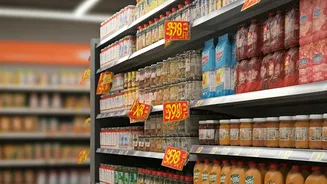
The connection between a heatwave in Uttar Pradesh or a flood in Karnataka and the price of your groceries is direct. When production of essential items drops, supply tightens. For example, a 28.5% drop in onion production in Maharashtra due to hailstorms in 2023 caused prices to jump. Heavy rains in key tomato-growing regions in 2023 saw wholesale prices at Delhi's Azadpur Mandi skyrocket. These are not isolated incidents but part of a recurring pattern where climate shocks become a major driver of food inflation. According to RBI analysis, food inflation, which had been relatively stable, has seen sharp spikes in recent years directly corresponding with extreme weather events, making it a persistent issue for household budgets.