







The Myth of More
For years, the fitness world has been dominated by a simple message: eat more protein. While protein is crucial for repairing and building muscle, the idea that piling your plate high is the only path to success is misleading. The body has a limit to how
much protein it can effectively use for muscle synthesis at any one time. Consuming excessive amounts in a single sitting often means the excess is used for energy or, like other surplus calories, stored as fat. This shift in understanding moves the focus from 'how much' to 'how smart'.
Quality Over Quantity
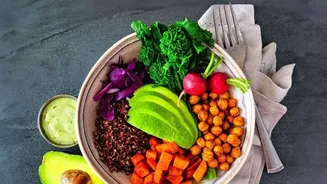
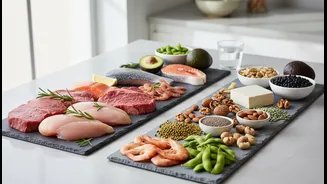
Smarter protein intake starts with quality. A protein's quality is determined by its amino acid profile. 'Complete' proteins contain all nine essential amino acids that our bodies cannot produce on their own. Animal-based sources like eggs, dairy, fish, and lean meats are complete proteins. For vegetarians and vegans, sources like soy, quinoa, and buckwheat are excellent complete proteins. Most other plant-based proteins, such as lentils, beans, and grains, are 'incomplete', meaning they lack one or more essential amino acids. However, you can easily create a complete protein by combining different plant sources throughout the day, such as dal with rice or beans with whole-grain bread. The goal is to provide your body with all the necessary building blocks for muscle repair and growth.
The Power of Protein Pacing
Just as important as quality is timing, or what experts call 'protein pacing'. This strategy involves distributing your protein intake evenly across your meals throughout the day, rather than consuming most of it in one large dinner. Research suggests that eating moderate amounts of protein every three to four hours can consistently stimulate muscle protein synthesis, aiding in muscle growth, fat loss, and better appetite control. This approach ensures your muscles have a steady supply of amino acids for ongoing repair and maintenance, which is more effective than one large dose. Spreading intake also helps stabilize blood sugar and energy levels, preventing the crashes that can lead to unhealthy snacking.
Demystifying the 'Anabolic Window'
The concept of a post-workout 'anabolic window'—a short period (often cited as 30-60 minutes) where you must consume protein to maximize gains—has been a staple of gym lore for decades. While consuming protein after exercise is certainly beneficial as your muscles are more sensitive to nutrients, recent studies show this window is much wider than previously thought, possibly lasting several hours. The more critical factor is your total daily protein intake and its distribution. So, while a post-workout shake or meal is a great habit, there's no need to panic if you can't eat immediately. The priority should be consistently hitting your protein goals throughout the entire day.
A Blueprint for Smarter Eating
Putting this into practice is simpler than it sounds. Instead of a low-protein breakfast and a massive, protein-heavy dinner, aim for balance. Start your day with eggs, Greek yogurt, or a smoothie with protein powder. For lunch, a bowl of dal, a paneer salad, or a chicken sandwich can provide a solid protein boost. For dinner, think grilled fish, lentil soup, or a tofu stir-fry. Snacks can also be a smart way to bridge the gap, with options like a handful of nuts, roasted chickpeas, or a glass of milk. By including a quality protein source in every meal and snack, you naturally adopt a protein pacing strategy that fuels your body effectively all day long.