






What is Zone 2 Training?
Imagine a workout where you can still hold a conversation. That's the essence of Zone 2 training. It's a low-to-moderate intensity exercise performed at 60-70% of your maximum heart rate. Unlike high-intensity interval training (HIIT) that leaves you breathless,
Zone 2 is about maintaining a steady, comfortable pace. Think of it as the 'all-day' effort level you could sustain for a long time. This approach focuses on building your aerobic base, which is the foundation of all fitness, without putting excessive strain on your body. The goal is not exhaustion but consistency and building endurance over time.
The Science of the Slow Burn
The magic of Zone 2 lies in what it does at a cellular level. This type of training primarily stimulates your Type I muscle fibres and, most importantly, improves the function and number of your mitochondria. Mitochondria are the 'power plants' of your cells, converting fat and glucose into energy. By consistently training in Zone 2, you teach your body to become more efficient at using fat for fuel instead of relying solely on carbohydrates. This process, known as improving metabolic flexibility, not only enhances your endurance but also boosts your overall metabolic health, making it a powerful tool against conditions like insulin resistance. For a desk worker, this translates to better all-day energy levels, reduced fatigue, and a stronger cardiovascular system.
Finding Your Personal Zone 2
You don't need expensive equipment to find your Zone 2. The easiest and most reliable method is the 'talk test'. During your workout, you should be able to speak in full sentences without gasping for air. If you can sing, you're likely going too easy. If you can only get out a word or two, you're pushing too hard. For those who prefer numbers, a common formula is to estimate your maximum heart rate (220 minus your age) and then calculate 60-70% of that number. For a 40-year-old, this would mean aiming for a heart rate between 108 and 126 beats per minute. However, always prioritise how your body feels over what a device tells you.
Workouts That Don't Feel Like Work
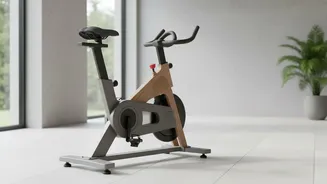
The beauty of Zone 2 is its accessibility. You don't need a gym membership or complicated routines. Many activities fit perfectly into this category, making it easy to start and stick with. Brisk walking is an ideal entry point, especially for beginners. Other excellent options include light cycling (on a stationary bike or flat terrain), using an elliptical machine, swimming, or even light jogging. The key is to maintain a steady pace that keeps your heart rate in that conversational zone. The focus should be on the duration of the session, aiming for 30 to 60 minutes, rather than the intensity.
Fitting It Into a Busy Schedule
For the time-crunched desk worker, integrating Zone 2 training is surprisingly manageable. Use your lunch break for a 30-minute brisk walk outside. Take phone calls while walking around your office or home. Put a stationary bike in front of the television and pedal at a light pace while you watch your favourite show. Because Zone 2 is low-impact and doesn't cause significant fatigue, you don't need as much recovery time. This makes it easier to exercise more consistently throughout the week. Instead of seeing exercise as another stressful item on your to-do list, Zone 2 can become a form of active recovery and a mental break from your workday.