
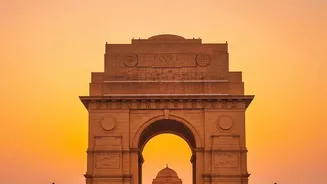

Starting November 1, Delhi is tightening its borders to combat winter pollution. If you commute into the capital from a neighbouring city, your vehicle might be denied entry. Here’s a clear breakdown of the new rules to help you plan ahead.
Why New Rules for Delhi's Borders?
Every winter,
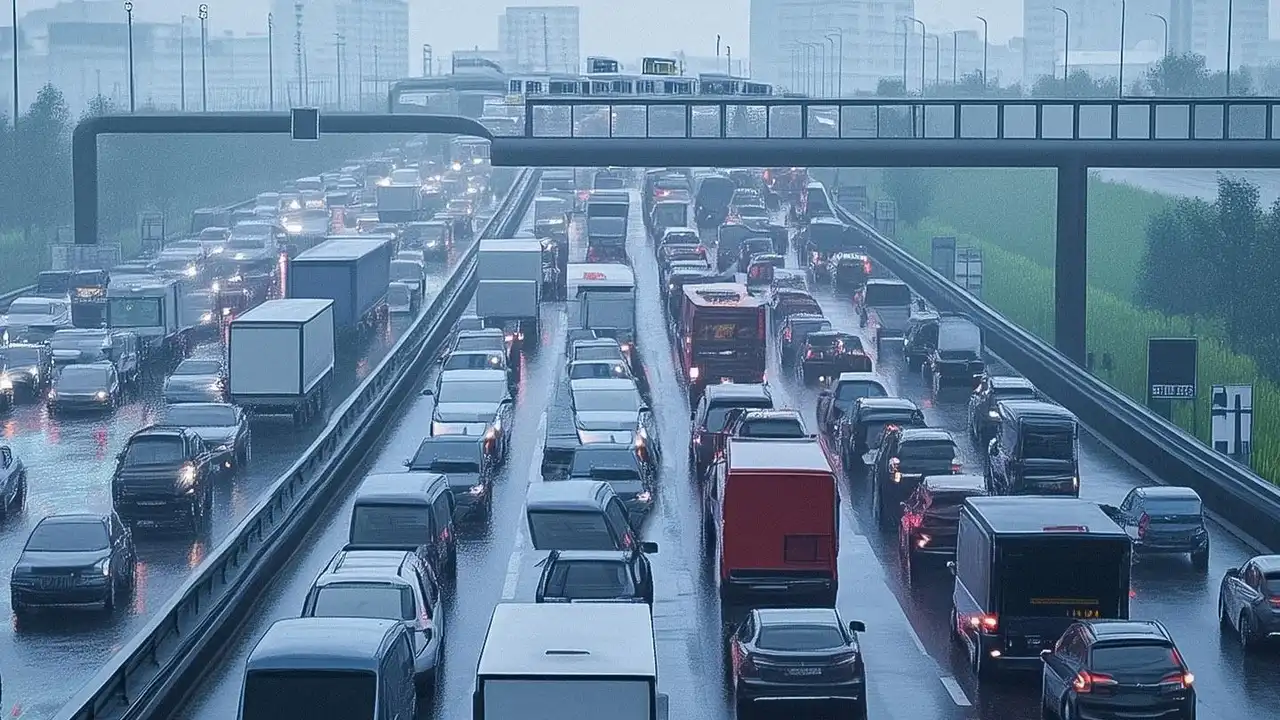
Delhi and the National Capital Region (NCR) face a severe air quality crisis as weather conditions trap pollutants, creating a thick smog. To counter this predictable public health emergency, the Delhi government implements a Winter Action Plan. A key part of this strategy is to reduce vehicular emissions, which are a major contributor to the city's air pollution. The upcoming restrictions, effective from November 1, 2026, to January 31, 2027, are designed to keep older, more polluting vehicles from adding to the toxic air during the most critical months. This move specifically targets vehicles registered outside Delhi, impacting hundreds of thousands of daily commuters from cities like Noida, Gurugram, Ghaziabad, and Faridabad.
The Banned List: Which Vehicles Cannot Enter?
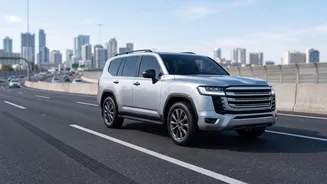
The rule is straightforward: if your passenger vehicle is registered outside Delhi and is not compliant with Bharat Stage VI (BS-VI) emission norms, it will be barred from entering the city. This primarily affects older petrol and diesel cars. Specifically, the ban includes:
- All BS-IV vehicles (both petrol and diesel)
- All BS-III vehicles (both petrol and diesel)
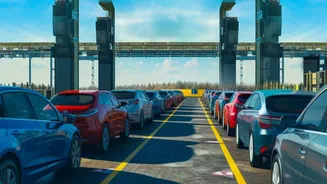
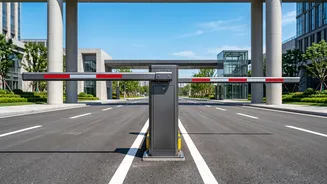
This applies to both private passenger cars and commercial vehicles registered in other states. According to transport department estimates, over a million vehicles in the surrounding NCR cities fall into this category, meaning a significant number of commuters will be affected. Enforcement will be managed through physical checks and AI-powered Automatic Number Plate Recognition (ANPR) cameras at border checkpoints.
The Permitted List: Who Is Allowed Entry?
Not all vehicles are affected by the new regulations. You will be allowed to enter Delhi if your vehicle falls into one of the following categories, regardless of its state of registration:
- BS-VI Compliant Vehicles: Any petrol or diesel vehicle that meets the modern BS-VI emission standards is permitted. These are typically vehicles purchased after April 2020.
- Electric Vehicles (EVs): All fully electric vehicles are exempt from the ban and can enter Delhi freely.
- CNG Vehicles: All vehicles that run on Compressed Natural Gas (CNG) are also permitted.
- Essential and Emergency Services: Vehicles like ambulances, fire tenders, and those involved in other designated essential services are exempt from the restriction.
- Delhi-Registered Vehicles: It is crucial to note that this specific ban does not apply to vehicles with a Delhi registration number. However, Delhi-registered cars are still subject to other rules, including the 10-year ban on diesel vehicles, the 15-year ban on petrol vehicles, and any restrictions imposed under the Graded Response Action Plan (GRAP).
Check Your Vehicle's Emission Norm
If you are unsure about your car's emission standard, you can easily check it. The Bharat Stage norm is usually mentioned on your vehicle’s Registration Certificate (RC), often under 'Emission Norms'. You can also look up your vehicle’s details on the national Parivahan portal using your registration number to confirm its compliance standard. Knowing your vehicle's BSndorm is now essential for anyone planning to drive into Delhi this winter.
What Are the Alternatives for Commuters?
If your vehicle will be banned from entering Delhi, it is vital to plan for alternative modes of transport to avoid being turned away at the border. Commuters are encouraged to rely on public transportation. The Delhi Metro network offers extensive connectivity across the NCR. Additionally, inter-'state bus services using electric, CNG, or BS-'VI diesel buses will continue to operate. Carpooling with someone whose vehicle is compliant or using app-'based cab services that use CNG or electric vehicles are other viable options for daily travel. The government is also encouraging a '50% work-'from-'home policy and staggered office timings to reduce traffic density during this period.
Don't Forget Your PUC Certificate
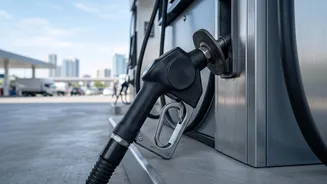
Alongside the BS-'VI entry rule, Delhi is also strictly enforcing the 'No PUC, No Fuel' policy. This means that any vehicle, regardless of its emission standard or registration state, will be denied petrol, diesel, or CNG at fuel stations across Delhi if it does not have a valid Pollution Under Control (PUC) certificate. This is a separate but equally important rule to follow. Ensure your PUC certificate is up to date before you travel, as driving without one can attract a fine of up to ₹10,000.