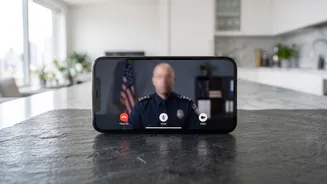










What is a 'Digital Arrest'?
A 'digital arrest' is a cyber fraud where scammers impersonate officials from law enforcement agencies like the police, CBI, or Narcotics Control Bureau. They contact you via phone or video call, falsely claim your identity or bank accounts are linked
to a crime—such as money laundering or drug trafficking—and create a terrifyingly real illusion of a formal investigation. The entire ordeal is a performance designed to extort money through intimidation. It is crucial to know that the concept of a 'digital arrest' has absolutely no legal validity in India; police and other agencies do not arrest or detain people over Skype or WhatsApp.
The Anatomy of the Scam
The fraud unfolds in calculated stages. It begins with an unexpected call, often an automated voice message, about a parcel with illegal items sent in your name or a SIM card registered to your Aadhaar being used for criminal acts. The call is then 'transferred' to a person posing as a senior officer. This 'officer' will accuse you of serious crimes and demand you join a video call on an app like Skype for 'interrogation'. Victims are then isolated, forbidden from speaking to family or friends, and kept on camera for hours or even days under the guise of a confidential investigation. Finally, they are pressured to transfer large sums of money into specific accounts for 'verification' or to 'clear their name', with the promise that the funds will be returned.
The Power of Performance: Jargon and Scenery
The scam's effectiveness lies in its elaborate staging. Fraudsters use convincing but fake backdrops that mimic real police stations or government offices. They wear uniforms, flash forged ID cards, and present official-looking but fake documents like arrest warrants and FIRs, often containing the victim’s actual name and Aadhaar details procured from data breaches. This visual trickery is paired with intimidating legal jargon. Scammers will cite sections of the Indian Penal Code, like Section 420 for cheating, or mention serious charges related to money laundering and drug trafficking to overwhelm and confuse their target. This combination of authentic-looking scenery and authoritative language makes the threat feel dangerously real.
Psychological Manipulation at Play
Digital arrest fraud is, at its core, a psychological trap. The scammers expertly manipulate human emotions. The initial accusation triggers fear and panic. By impersonating high-ranking officials and using official-looking props, they exploit the natural respect for—and fear of—authority. The instruction to maintain secrecy isolates the victim, preventing them from seeking a second opinion from family or friends who might spot the fraud. This creates a high-pressure bubble where the victim’s ability to think rationally is compromised, making them more susceptible to the scammers' demands. The constant surveillance on video calls is designed to exhaust and control the victim completely.
Red Flags: How to Spot the Fraud
Recognising the warning signs is your best defence. Be immediately suspicious of any unsolicited call from someone claiming to be a police or government official who accuses you of a crime. Real law enforcement does not conduct investigations or demand money over the phone or video calls. Another major red flag is any demand for immediate payment or a fund transfer to 'resolve' a legal matter. Threats of immediate arrest if you hang up, coupled with instructions not to tell anyone, are classic scam tactics designed to create panic and isolation. Lastly, remember that official communication, like an arrest warrant, must be served in person, not shown over a screen.
What to Do If You Are Targeted
If you receive such a call, the first and most important step is to disconnect immediately. Do not engage, argue, or provide any personal information. Block the number. If they have contacted you via a messaging app, block and report the profile. Never transfer any money. Report the incident immediately to the National Cyber Crime Reporting Portal at cybercrime.gov.in or by calling the helpline number 1930. Prompt reporting can help authorities freeze the fraudulent accounts and potentially recover lost funds. Share your experience with family and friends to raise awareness, as one warning could protect someone's life savings.