

The Old Guard vs. The New Formulas
For decades, the biggest complaint about sunscreen wasn't the protection level, but the experience. Traditional sunscreens, particularly mineral-based ones using zinc oxide and titanium dioxide, were known for their thick, goopy consistency and tell-tale
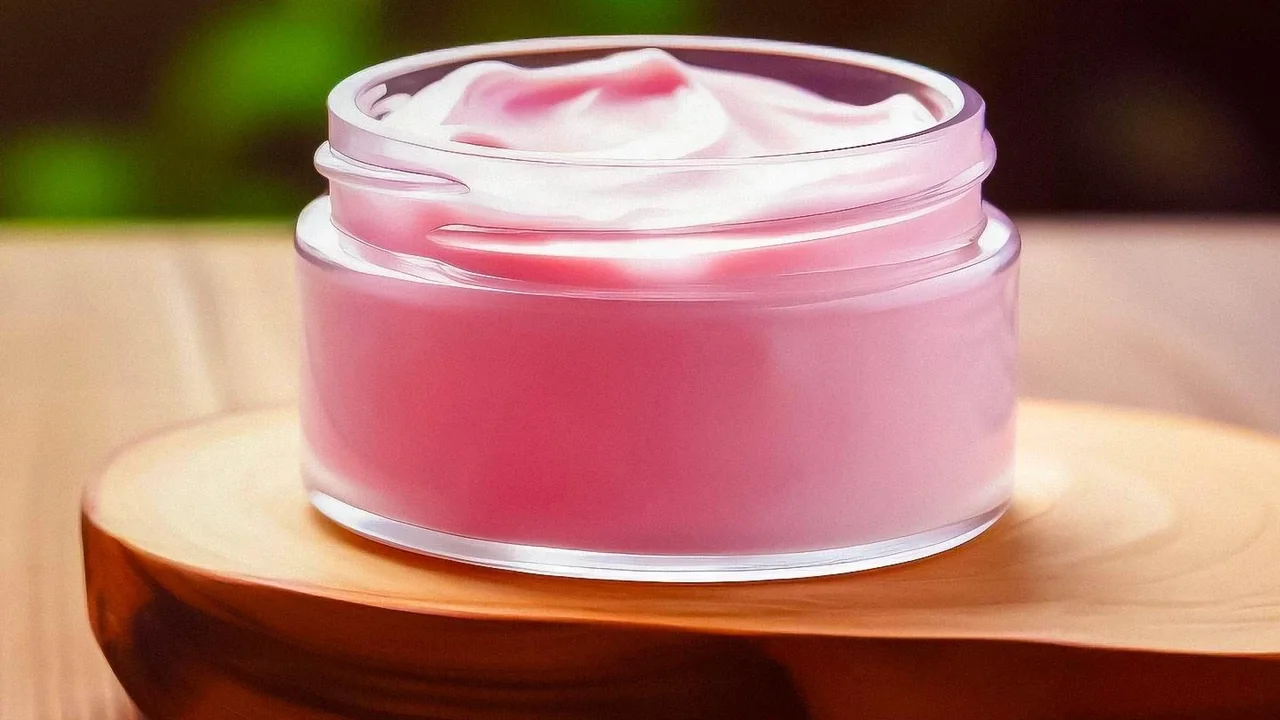
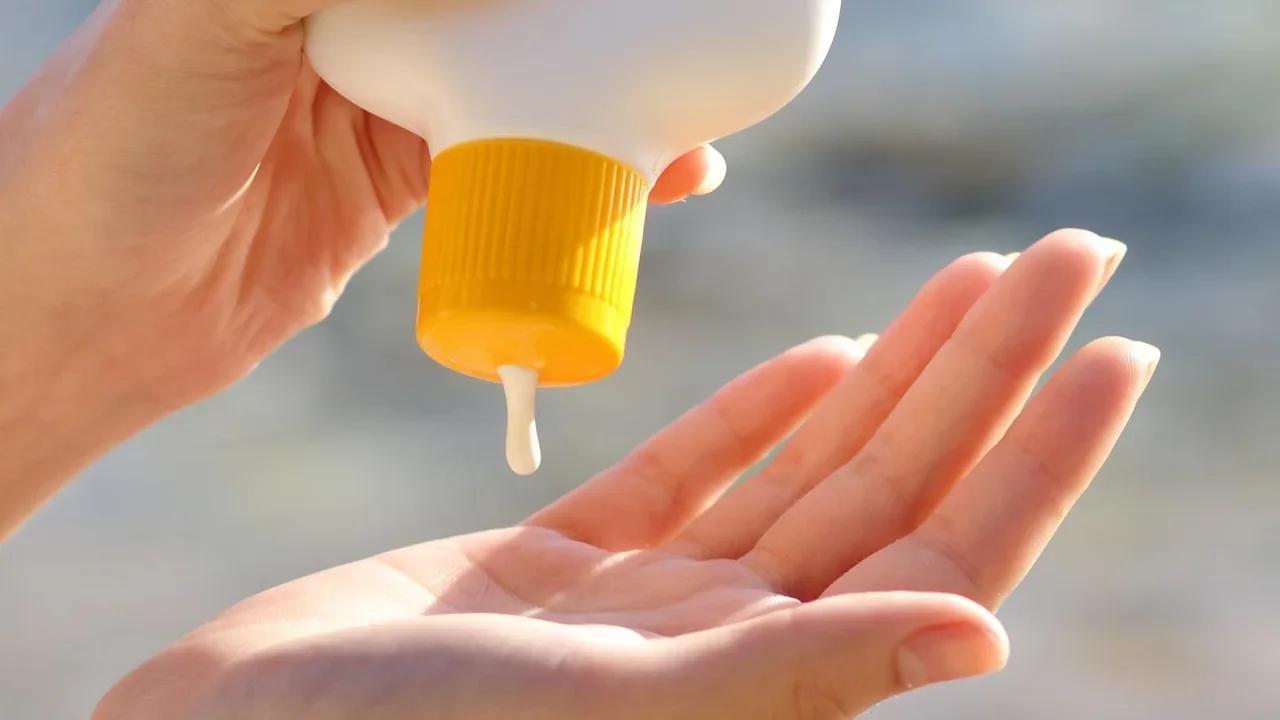
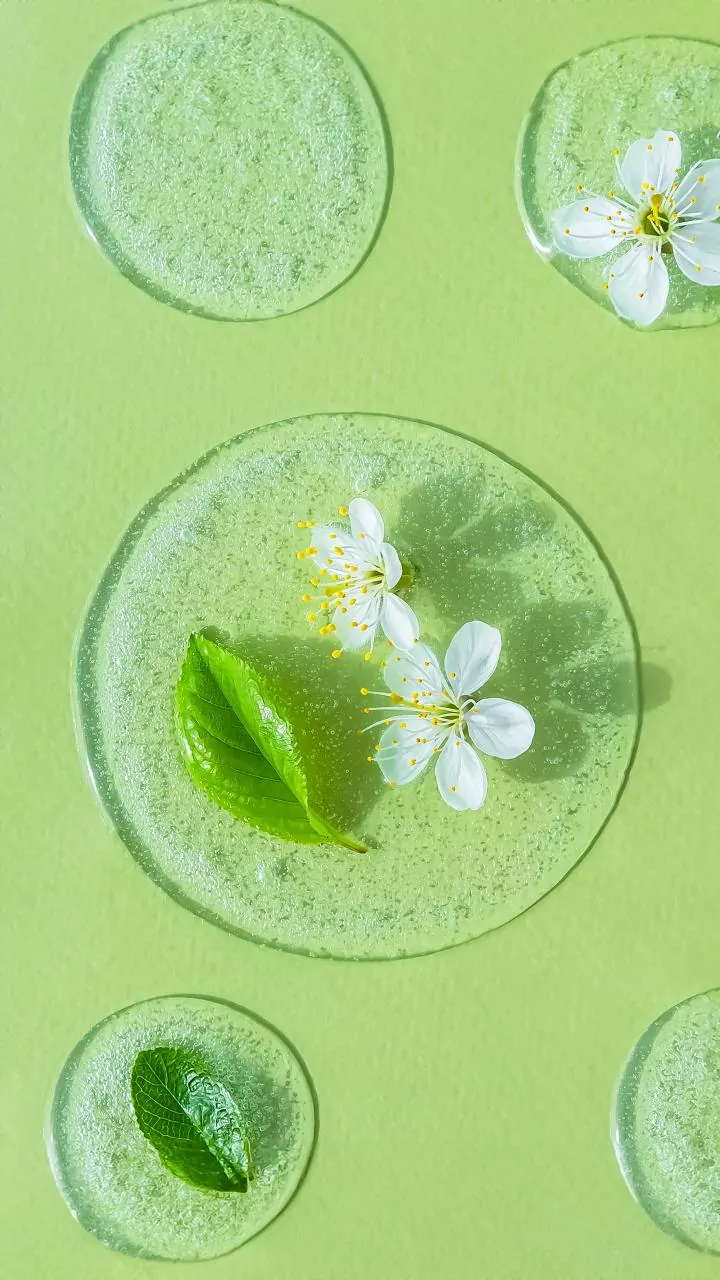
white cast. While effective, they were cosmetically challenging, feeling heavy, looking chalky on deeper skin tones, and making makeup application difficult. This unpleasant sensory experience was a major barrier to daily use. Today, the conversation has changed. Driven by consumer demand and innovations from markets like South Korea, sun care has been reimagined as skincare. Brands now offer sunscreens in a wide array of elegant textures: lightweight serums, hydrating gels, invisible fluids, and even airy mousses. These new-generation formulas are designed to feel comfortable, absorb quickly, and layer seamlessly, transforming sunscreen from a beach day chore into an effortless daily habit.
The Psychology of Feel: Consistency is Key
Dermatologists and skincare experts agree on a simple truth: the best sunscreen is the one you will use consistently. The American Academy of Dermatology recommends daily use to protect against skin cancer and premature aging, yet compliance has historically been low. The primary culprit is often texture. If a product feels sticky, greasy, or uncomfortable, people are less likely to apply it every day, and even less likely to apply the correct amount. Studies and consumer reviews consistently show that 'cosmetic elegance'—how a product feels, looks, and smells—is often ranked higher than performance by users. A lightweight, pleasant texture removes the psychological barrier to application. When you enjoy using a product, it becomes an integral part of your routine, like a favorite moisturizer, rather than a reluctant obligation. This ensures you get the full protective benefits listed on the bottle, day in and day out.
How Texture Impacts Actual Protection
The feel of a sunscreen isn't just about comfort; it directly impacts its effectiveness. The rated SPF on a bottle is based on applying a generous, even layer—about two milligrams of product per square centimeter of skin. However, when a formula is thick or hard to spread, people instinctively apply less, which can dramatically reduce the real-world protection they receive. An unpleasant texture can lead users to apply only a quarter to half of the recommended amount. A formula that glides on smoothly and absorbs well encourages a more generous and even application, ensuring a more uniform protective film on the skin. Furthermore, poor textures can lead to gaps in coverage. A heavy cream might be avoided around the hairline or eyes, leaving those delicate areas exposed. In contrast, a lightweight serum or fluid is easy to apply over the entire face, providing more comprehensive protection.
Finding Your Perfect Match
The variety of modern sunscreen textures means there’s a formula for every skin type and preference. If you have dry skin, a cream or lotion-based sunscreen with hydrating ingredients like glycerin or natural oils can offer both moisture and protection. For those with oily or acne-prone skin, a lightweight gel or fluid with a non-comedogenic label is ideal, as these formulas absorb quickly without clogging pores or adding shine. New serum-sunscreens are a game-changer, delivering active skincare ingredients like niacinamide or hyaluronic acid alongside UV filters in a weightless format. For a truly unique experience, mousse textures offer a soft, conditioning feel that often leaves a matte finish. The key is to find a texture that feels so good on your skin that you'll look forward to applying it every morning.