






Decoding Your Airline Ticket
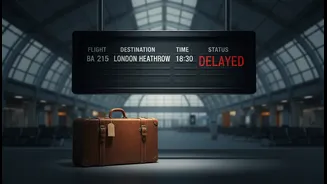
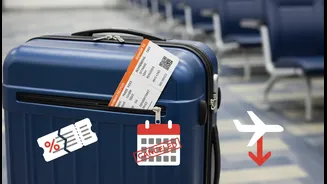
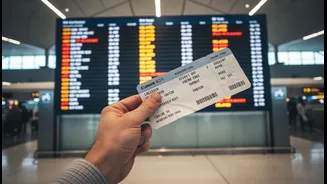
Not all flight tickets are created equal, especially when it comes to cancellations. The cheapest fare is often non-refundable, meaning if you cancel, you may only get back the statutory taxes and fees, not the base fare. Refundable tickets offer more
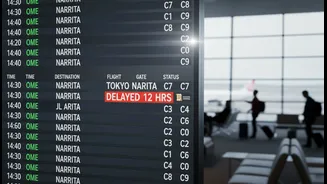
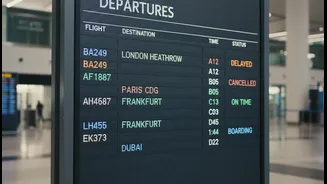
flexibility but come at a higher price. It's crucial to check the fare rules during booking. In India, the Directorate General of Civil Aviation (DGCA) has specific rules to protect passengers. If an airline cancels a flight, they must offer you the choice between a full refund or an alternative flight. If they inform you less than 24 hours before departure, you may also be entitled to compensation.
The 48-Hour 'Look-In' Window
One of the most powerful tools for Indian flyers is the DGCA's 'look-in' option. Effective from March 2026, passengers have a 48-hour window after booking to cancel or amend a ticket without facing cancellation charges from the airline. This applies to tickets booked directly on an airline's website for domestic flights departing at least seven days later. This is a significant relief, allowing you to correct mistakes or change plans shortly after booking without a financial penalty. If you cancel, airlines are mandated to process refunds within 7 days for credit card payments and 14 working days for bookings via travel agents.
Navigating Hotel Cancellation Policies
Hotel refund policies vary dramatically. Some offer free cancellation until 24 or 48 hours before check-in, while others, particularly discounted or promotional rates, are entirely non-refundable. Always check the policy before confirming your reservation, especially when booking through third-party travel portals. If a hotel denies you a room due to overbooking despite a confirmed reservation, it is considered a 'deficiency of service' under the Consumer Protection Act, and you are entitled to a refund and potentially compensation. It's always wise to have your booking confirmation handy and communicate any cancellation requests in writing.
The Fine Print on Package Tours
Package tours, which bundle flights, hotels, and activities, have their own complex set of rules. The refund you receive often depends on how far in advance you cancel. A cancellation 30 days prior might result in a small penalty, while cancelling within a week of departure could mean losing the entire amount. These policies are set by the tour operator, not a central regulator. Read the operator's terms and conditions carefully before paying an advance. Note that some components, like safari permits or special event tickets, are often non-refundable under any circumstances.
When Travel Insurance Is Your Safety Net
What happens when you have to cancel a non-refundable booking for a reason beyond your control, like a medical emergency? This is where travel insurance becomes essential. A standard travel insurance policy often includes trip cancellation coverage, which can reimburse you for prepaid, non-refundable costs if you have to cancel for a covered reason. These typically include illness, injury, or the death of the traveler or a close family member. It’s important to buy insurance soon after you book your trip and understand what the policy does and does not cover.
Your Action Plan for Claiming a Refund
When you need a refund, start by contacting the airline, hotel, or tour operator directly, and do it in writing. Keep a record of all communication, including reference numbers. If an airline doesn't process your refund correctly, you can file a grievance on the government's AirSewa portal, which is monitored by the DGCA. For unresolved disputes with hotels or tour operators, you can approach a consumer commission under the Consumer Protection Act. Being polite, persistent, and armed with documentation is the most effective strategy for getting your money back.