





From Kitchen Scrap to Star Ingredient
Before you start cooking, a little preparation is needed. The part of the rind you want is the firm, white layer between the tough outer green skin and the sweet pink flesh. While the entire rind is technically edible, most recipes call for peeling off
the dark green skin with a vegetable peeler or a sharp knife, as it can be quite tough. Once peeled, wash the white rind thoroughly and cut it into cubes, strips, or any shape your recipe requires. You'll be surprised by its crisp texture, similar to a cucumber or summer squash. Nutritionally, the rind is a winner. It's lower in sugar and higher in fibre than the fruit's flesh. It also contains citrulline, an amino acid that can help improve blood flow. By using the rind, you're not just reducing food waste; you're unlocking a new, healthy vegetable for your kitchen.
The Classic: Sweet and Tangy Pickled Rind
One of the most traditional ways to use watermelon rind, especially in the American South, is to pickle it. The process turns the neutral-tasting rind into a delightful sweet and sour condiment that pairs wonderfully with rich meats and cheeses. To make a simple batch of refrigerator pickles, you'll need the prepared rind, vinegar, sugar, salt, and spices like cinnamon, cloves, and allspice. The process typically involves boiling the rind until tender, then simmering it in a brine made from the other ingredients. After cooling, the pickles are stored in jars in the refrigerator and are usually ready to eat within 24 hours. The result is a translucent, tender pickle with a complex flavour that is a true testament to zero-waste cooking.
A Savoury Turn: Indian Watermelon Rind Curry
In India, especially in regions like Rajasthan, watermelon rind is treated like a vegetable and used to make savoury dishes. Known as 'tarbooz ke chilke ki sabji', this curry transforms the rind into a tender, flavour-absorbing star. The cubed rind is cooked much like bottle gourd (lauki) or squash. A typical recipe starts by heating oil and tempering spices like cumin seeds, mustard seeds, and asafoetida (hing). Chopped rind is then added along with powdered spices such as turmeric, coriander, and red chilli powder. After cooking with a bit of water until tender, the dish is often finished with garam masala and a souring agent like dry mango powder (amchur), creating a beautifully balanced and flavourful curry to be enjoyed with roti or rice.
Quick and Easy: Versatile Stir-Fries
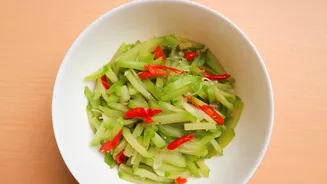
For a fast and easy weeknight meal, throwing watermelon rind into a stir-fry is an excellent option. Its firm texture holds up well to high heat, and its mild flavour makes it a perfect canvas for your favourite sauces. Simply cut the prepared rind into thin strips or cubes. You can stir-fry it on its own with garlic, ginger, and soy sauce, or add it to a mix of other vegetables like carrots, broccoli, and scallions. For a heartier meal, add a protein like pork, beef, or tofu. The rind will soften slightly but retain a pleasant crunch, absorbing all the savoury, sweet, or spicy flavours of your stir-fry sauce. It’s a simple swap that adds texture, nutrients, and a sustainable twist to a familiar dish.