



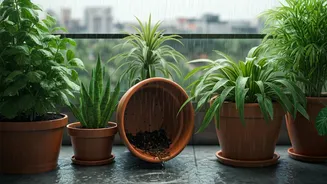


The Monsoon Watering Myth
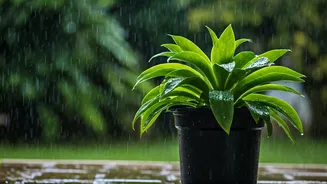
The arrival of the monsoon might seem like a holiday for your watering can, but it's more complex than that. While the air is humid and rains are frequent, the greatest threat to your plants becomes overwatering. When soil is constantly saturated, it becomes waterlogged,
cutting off oxygen supply to the roots. This creates an ideal environment for root rot, a fungal disease that can quickly kill a plant by turning its roots to mush. The common mistake is sticking to a summer watering schedule, which, combined with natural rainfall, can be a fatal combination for your green companions.
Check, Don't Assume
The golden rule of monsoon watering is to check the soil’s moisture before you even think of picking up a watering can. The most reliable method is the finger test: insert your finger about one to two inches into the soil. If the soil feels damp, hold off on watering. If it feels dry to the touch at that depth, it's time to water. For larger pots or those who prefer a more technical approach, a simple moisture meter can provide an accurate reading. This simple step prevents the guesswork that often leads to soggy, unhappy roots.
Drainage is Non-Negotiable
Smarter watering is ineffective without proper drainage. During the monsoon, ensuring excess water has an escape route is critical. Before the heavy rains begin, check that the drainage holes at the bottom of your pots are not blocked by soil or debris. You can improve drainage by elevating pots on bricks or pot feet, allowing water to flow out freely and preventing the pot from sitting in a puddle. For garden beds, amending the soil with coarse sand or compost can improve its structure and prevent water from pooling around the roots.
The Right Technique Matters
When you do need to water, your technique can make a significant difference. It's best to water plants in the morning. This gives the plant’s foliage enough time to dry out during the day, reducing the risk of fungal diseases that thrive in damp, humid conditions. Always aim to water the soil directly at the base of the plant, rather than showering the leaves. Wet leaves are a breeding ground for pests and diseases, especially with the high humidity of the monsoon season. Watering slowly and deeply encourages strong root development and is more effective than frequent, shallow watering.
Watch for Distress Signals
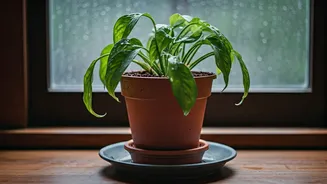
Your plants will tell you if they are unhappy. Learn to recognise the signs of overwatering, which can often be mistaken for underwatering. Telltale signs include yellowing leaves (especially lower ones), wilting or drooping despite the soil being wet, and mushy stems. You might also notice a musty smell from the soil or the appearance of fungus or mold on the surface. Regularly inspecting your plants for these symptoms allows you to intervene early and adjust your watering routine before serious damage is done.